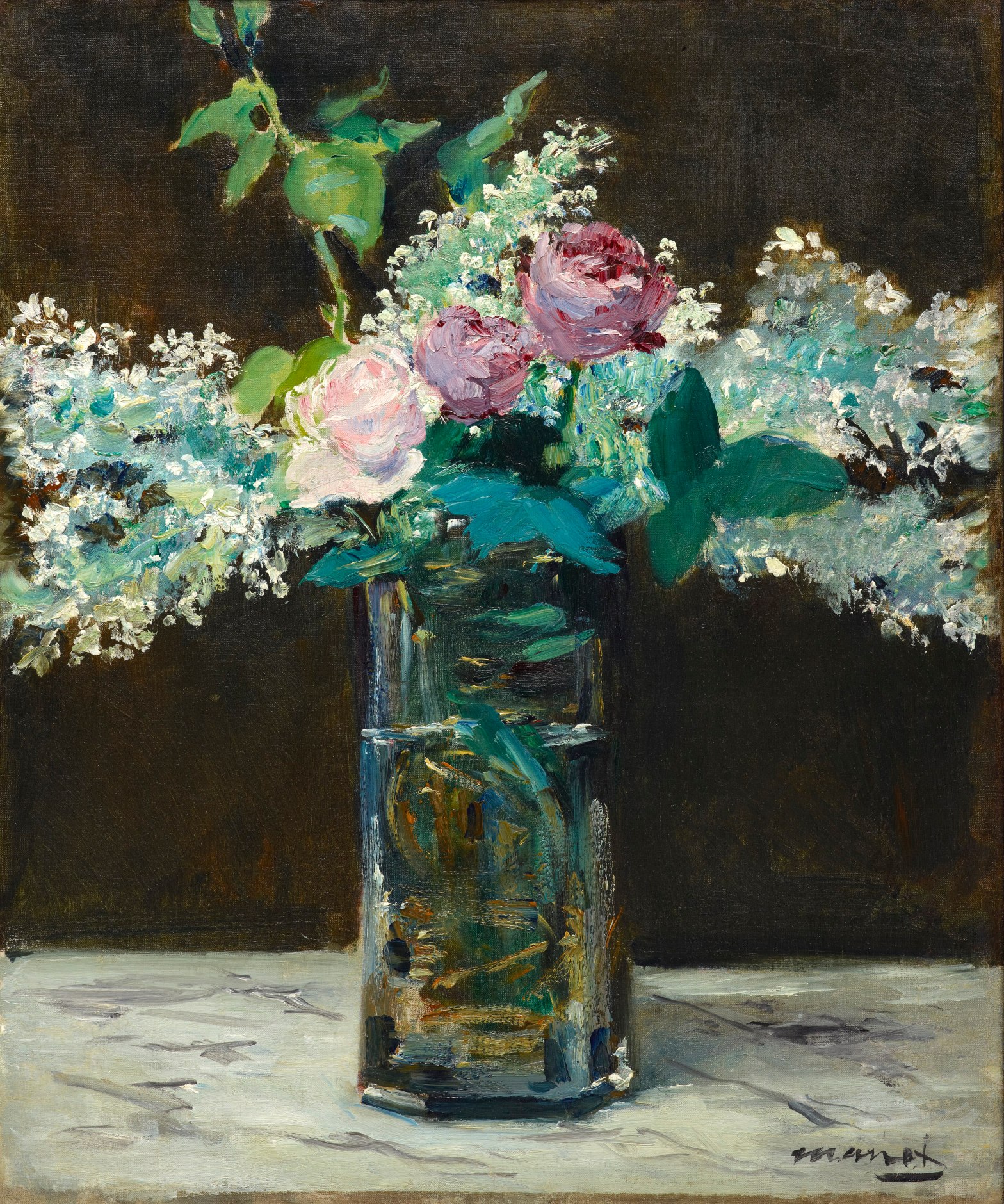
Manet, Painter of Things Still life occupies a substantial place in Manet’s work. Henri Loyrette counts seventy-eight still lifes among the 430 paintings catalogued by Denis Rouart and Daniel Wildenstein, approaching a fifth of the total. The proportion is striking for an artist so closely associated with modern life and the human figure. Still-life objectsContinue reading “Manet and Still Life: The Last Flowers”
Tag Archives: art
Francesco Paolo Michetti and the Investigation of the Visible
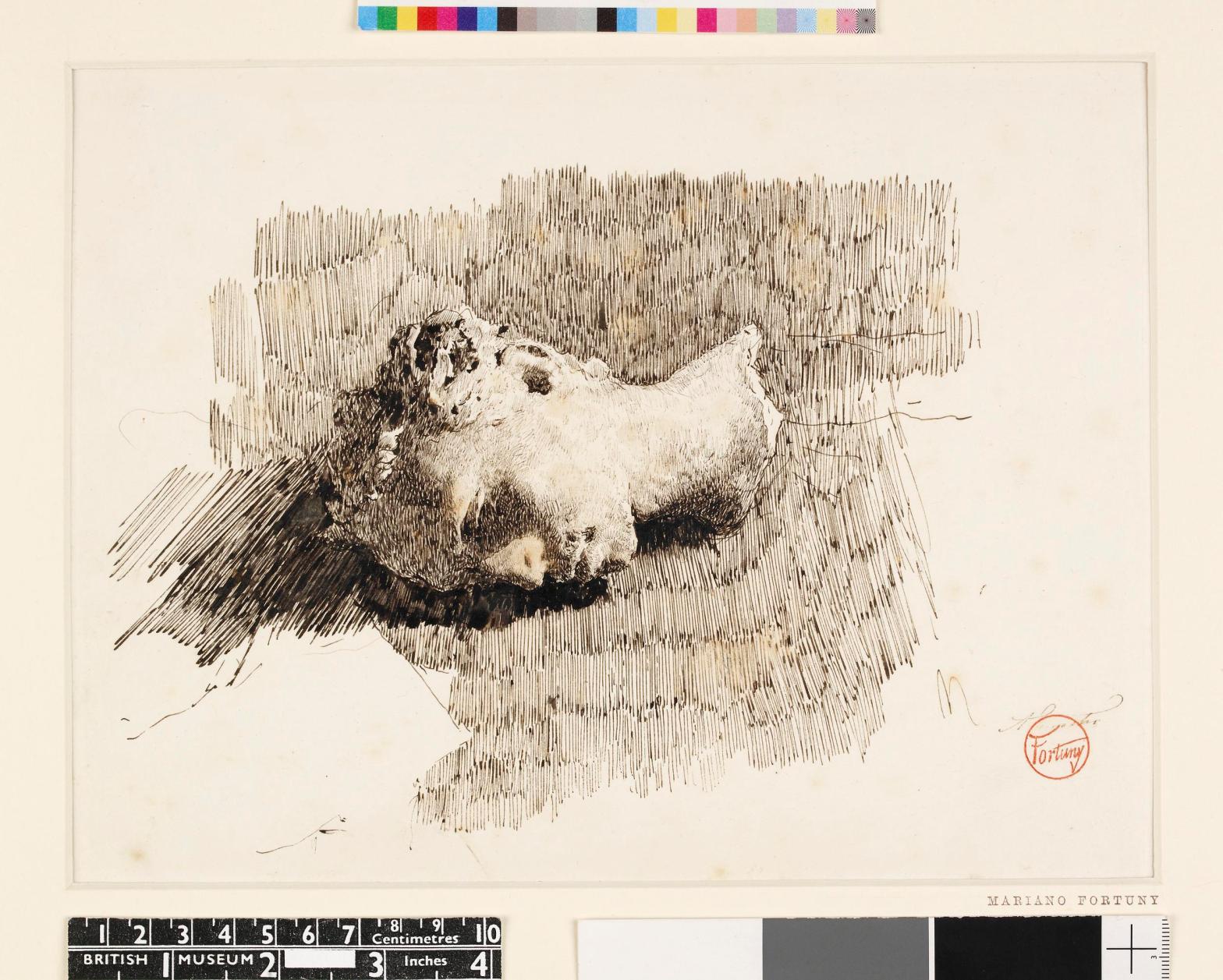
Mariano Fortuny, Plaster head of Francesco Paolo Michetti by Vincenzo Gemito, undated, before 1874, pen and brown ink on paper, 21.1 × 30 cm, British Museum, London. © The Trustees of the British Museum. CC BY-NC-SA 4.0. One reality, several ways of seeing Mariano Fortuny’s drawing of Vincenzo Gemito’s plaster portrait of Francesco Paolo MichettiContinue reading “Francesco Paolo Michetti and the Investigation of the Visible”
Silvestro Lega: Places, People and Ways of Painting
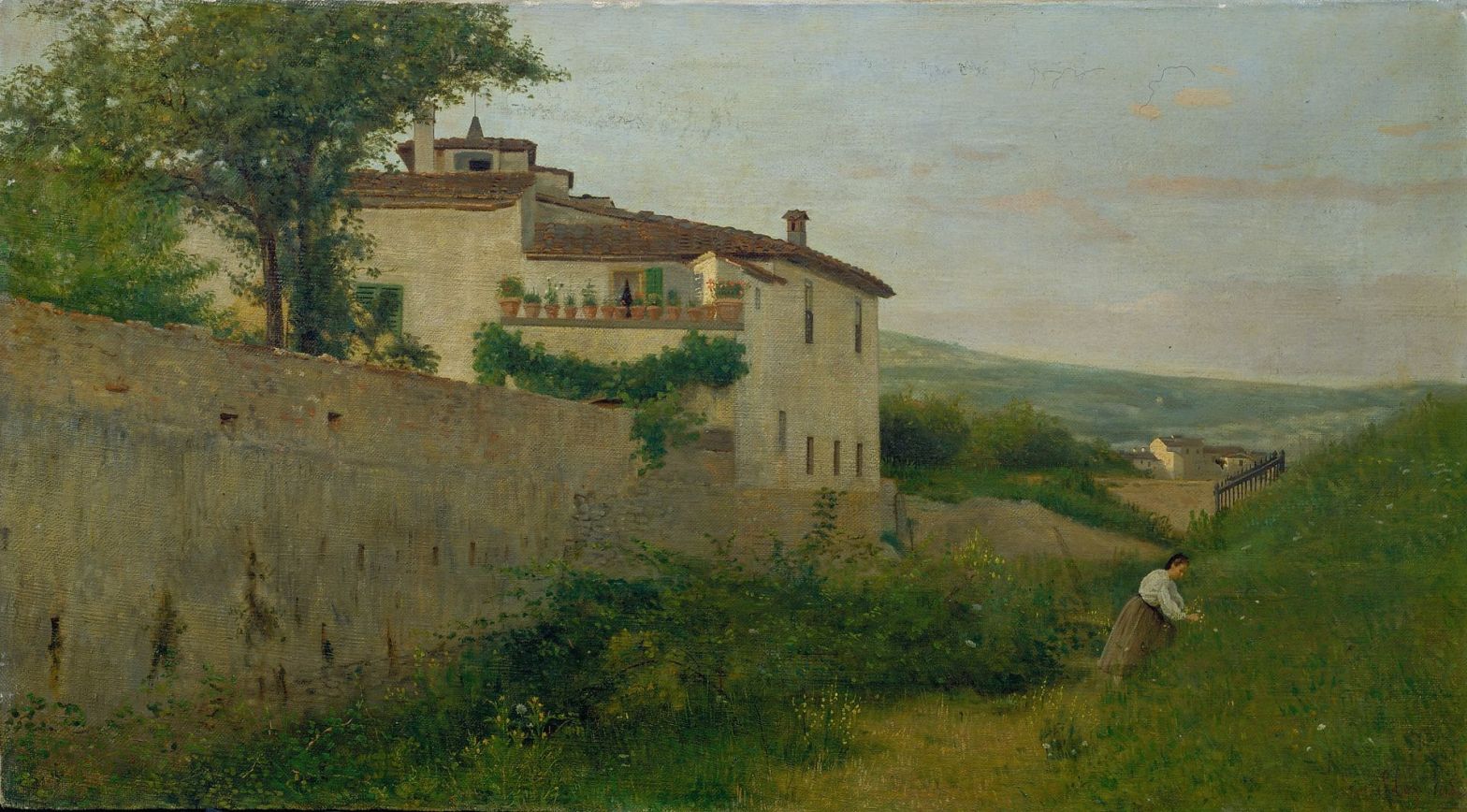
Florence, the Macchiaioli and the problem of belonging Silvestro Lega belongs securely to the history of the Macchiaioli, but not quite comfortably to any shorthand definition of them. That is partly because the Macchiaioli themselves were never a school in the strict sense. They were a loose and sometimes fractious constellation of painters, critics andContinue reading “Silvestro Lega: Places, People and Ways of Painting”
Texture, Colour and Light: Francesco Noletti (c. 1611–1654)
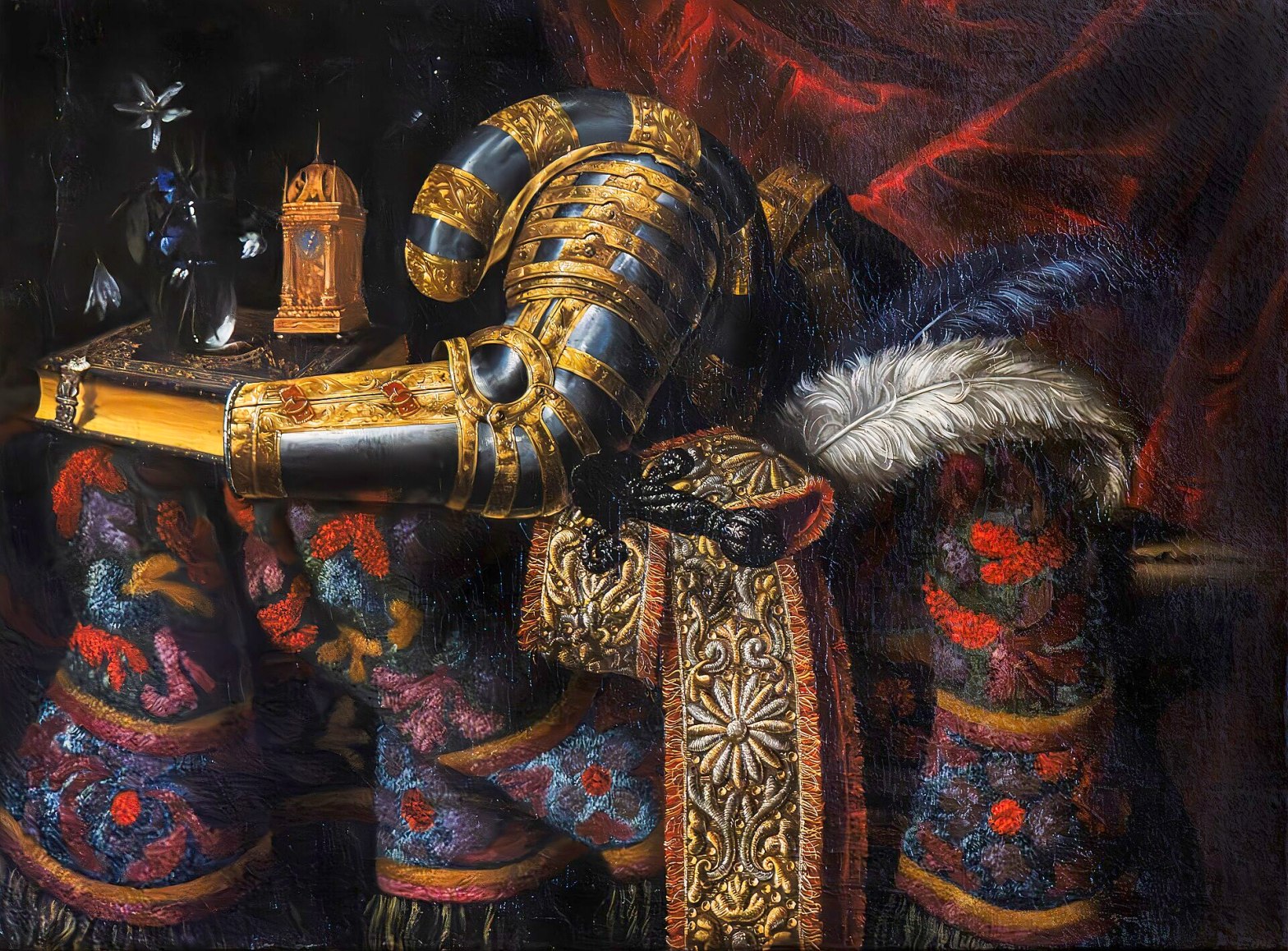
Francesco Noletti, Still Life with Armour, c. 1650, oil on canvas, 76 × 108 cm, Museo Correr, Venice, inv. Cl. I no. 1049. Image: Didier Descouens, Wikimedia Commons, CC BY-SA 4.0. The Painted Carpet In 1662, the Flemish writer Cornelis de Bie related a story about a pope visiting the house of Francesco Noletti, theContinue reading “Texture, Colour and Light: Francesco Noletti (c. 1611–1654)”
Andrea del Sarto and the Pala di Gambassi: Painting, Friendship and Patronage
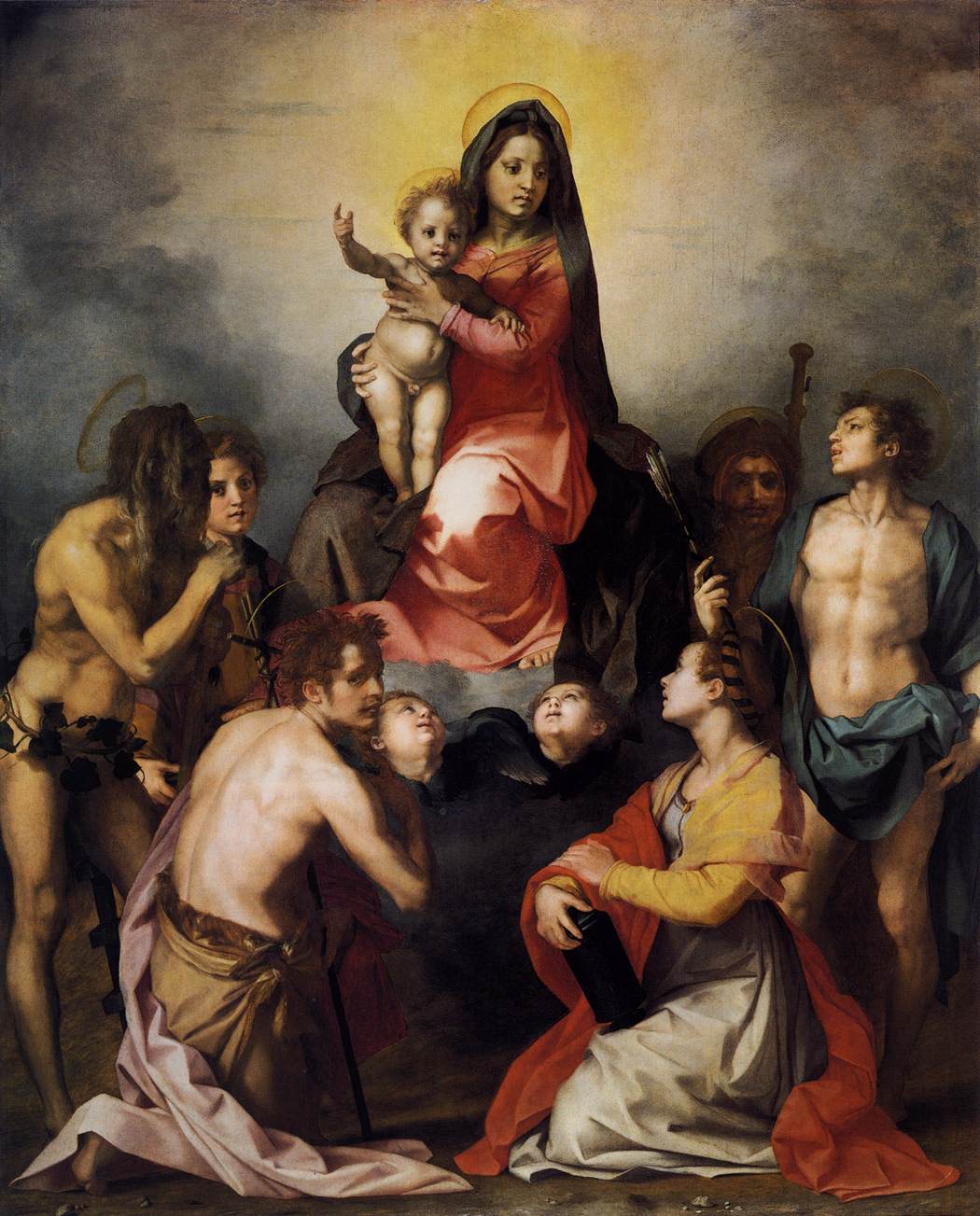
A late altarpiece Andrea del Sarto’s Madonna and Child with Saints Onofrio, Lawrence, John the Baptist, Mary Magdalene, Roch and Sebastian, generally known as the Pala di Gambassi, belongs to the last years of a career that had placed him at the centre of Florentine painting. Now in the Galleria Palatina at Palazzo Pitti, theContinue reading “Andrea del Sarto and the Pala di Gambassi: Painting, Friendship and Patronage”
Games, Music and Light: Mattia Preti in Rome
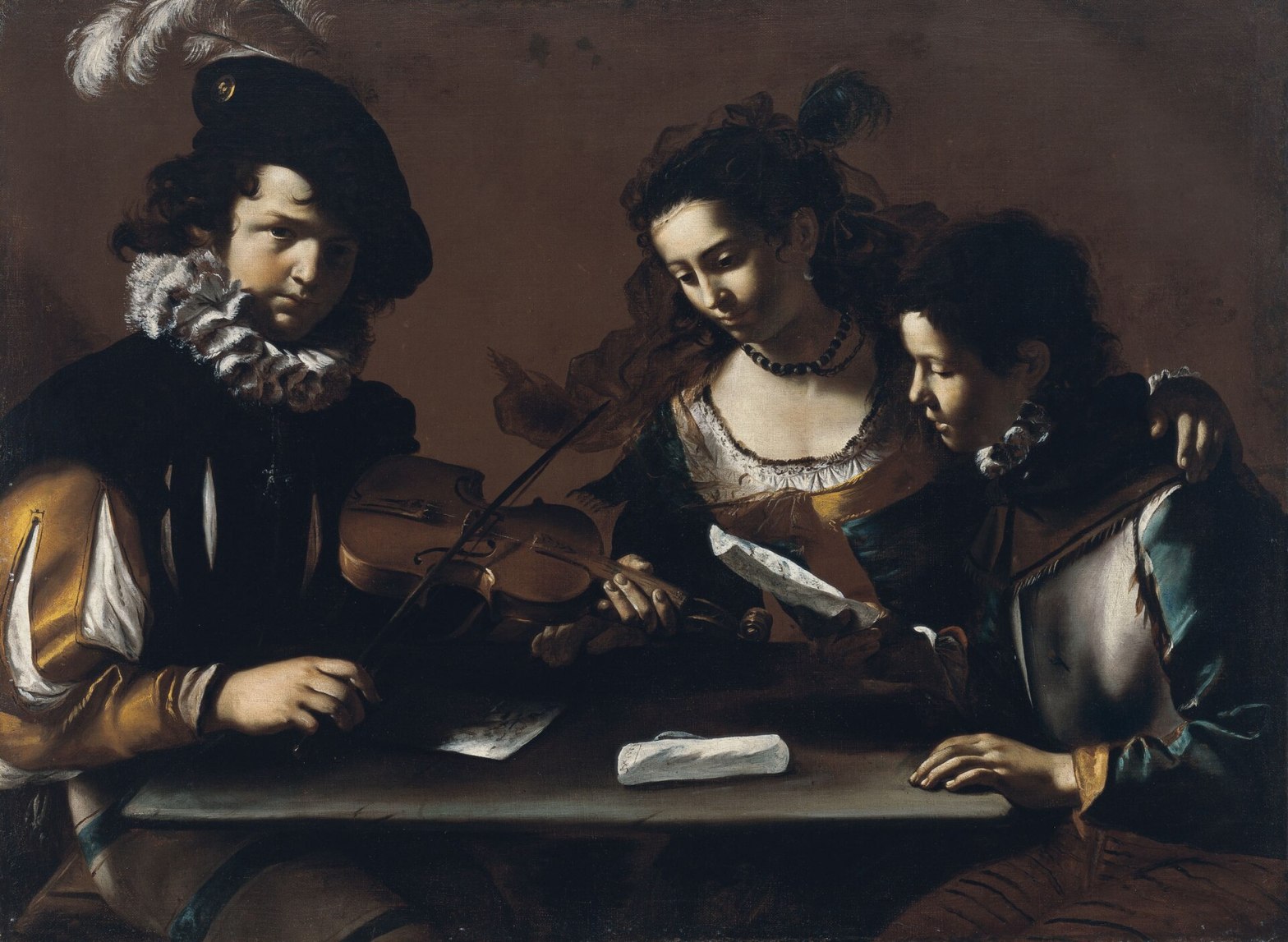
Three secular paintings by Mattia Preti, all generally assigned to his early Roman career in the first half of the 1630s, form a closely related group. Both A Concert, c. 1630–35, now in the Museo Nacional Thyssen-Bornemisza, Madrid, and the Concert in the State Hermitage Museum, St Petersburg, generally dated to the early or mid-1630s,Continue reading “Games, Music and Light: Mattia Preti in Rome”
The Depth of the Surface: Vittorio Corcos (1859–1933) and the Art of Appearance
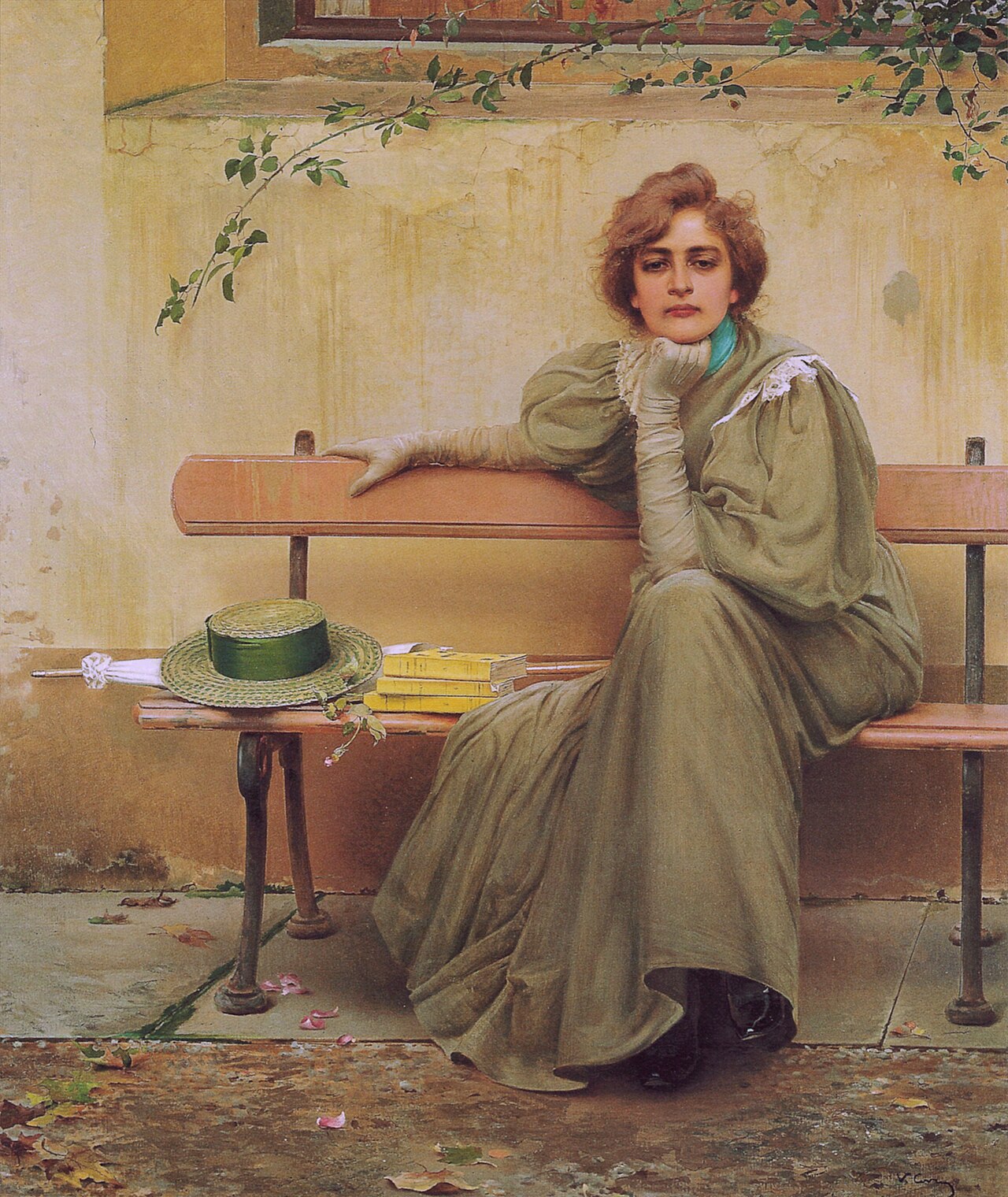
Formation and the vero Vittorio Corcos enrolled at the Accademia di Belle Arti in Florence in November 1875 and progressed with conspicuous ease. Admitted directly to Enrico Pollastrini’s drawing course, he passed his examinations and, in 1876–77, received a silver medal for a figure study copied dal vero. Despite this success, he soon became dissatisfiedContinue reading “The Depth of the Surface: Vittorio Corcos (1859–1933) and the Art of Appearance”
Giovanna Carolina Carlesimo / Juana Romani (1867–1923): Art, Identity and Self-Fashioning between Italy and Paris
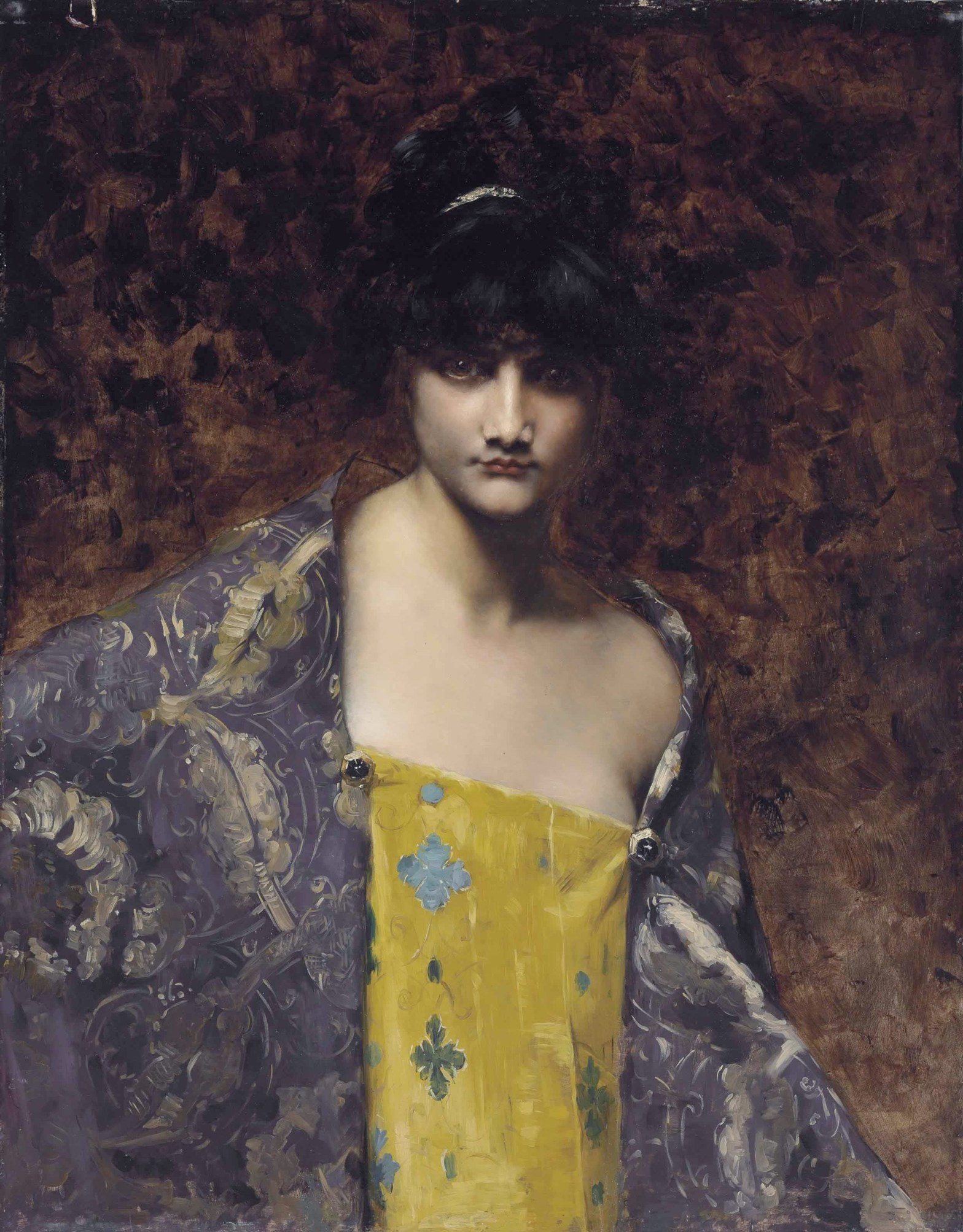
Juana Romani, La fille de Théodora (A Dark-Haired Beauty), 1898, oil on panel, 81.3 × 63.8 cm, current location unknown. Image: Wikimedia Commons, public domain. Origins and migration Juana Romani was born Giovanna Carolina Carlesimo in Velletri on 30 April 1867, in circumstances far removed from the Parisian art world in which she would laterContinue reading “Giovanna Carolina Carlesimo / Juana Romani (1867–1923): Art, Identity and Self-Fashioning between Italy and Paris”
Salvator Rosa: Portraits, Self-Portraits and the Construction of Artistic Identity
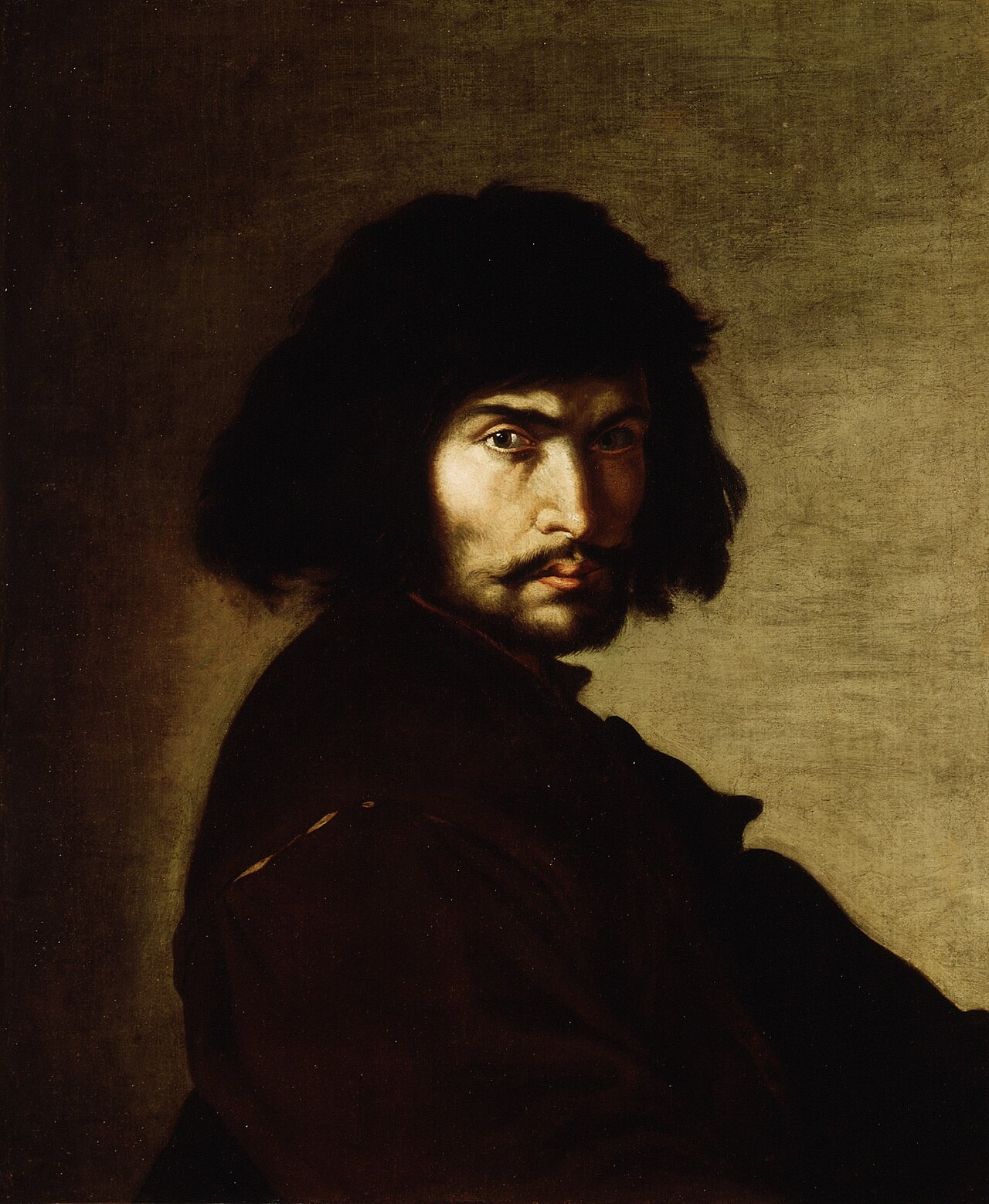
Portraiture occupies an unusual place within the work of Salvator Rosa (1615–1673). Although celebrated by his contemporaries for landscapes, battle scenes and increasingly ambitious history paintings, he repeatedly returned to images of the individual figure, producing portraits of remarkable variety and psychological intensity. Some are straightforward likenesses, others adopt theatrical or philosophical roles, while stillContinue reading “Salvator Rosa: Portraits, Self-Portraits and the Construction of Artistic Identity”
“Lost in Like but Separate Dreams”: Tullio Lombardo’s Double Portrait and Bacchus and Ariadne
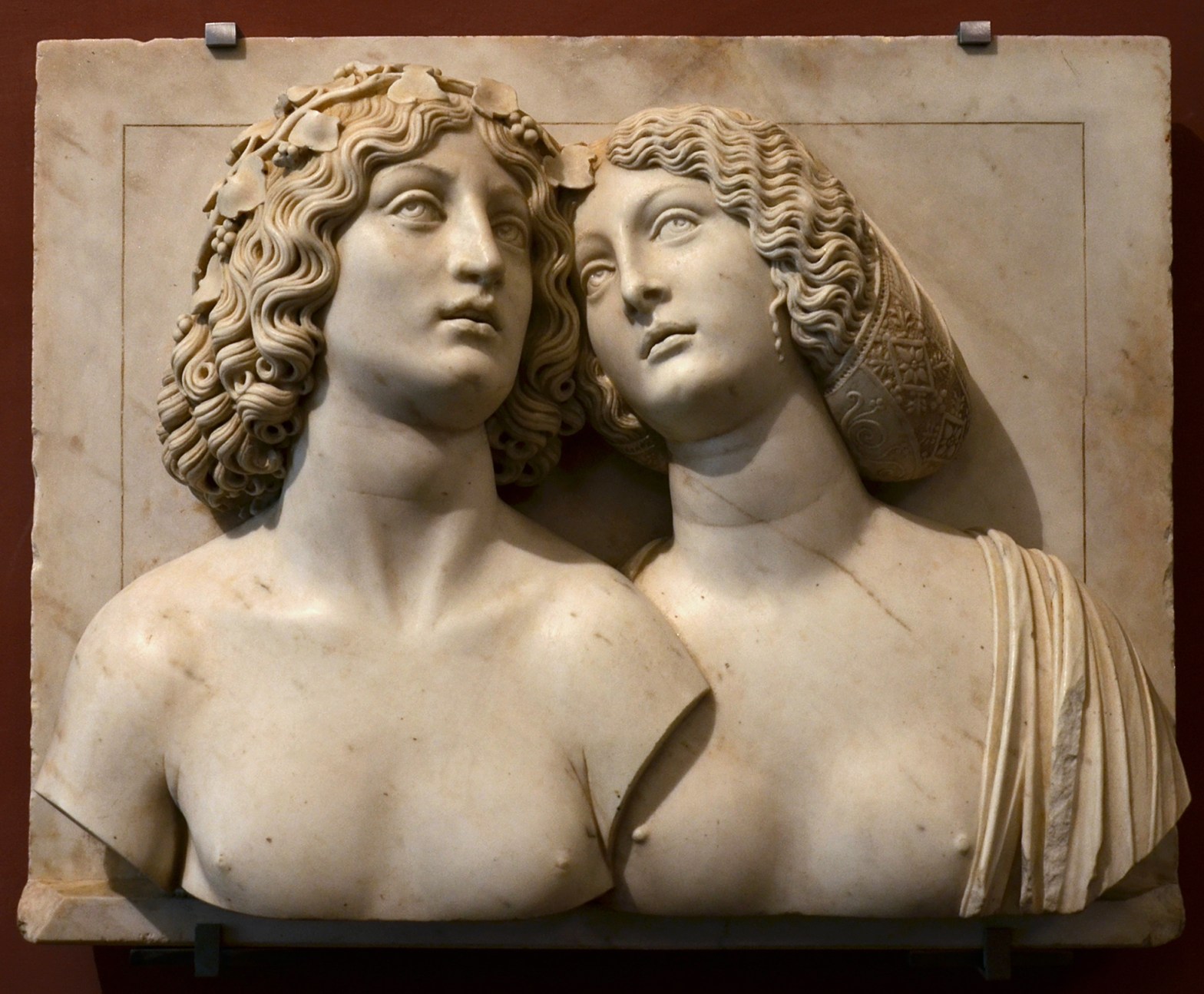
Tullio Lombardo, born around the middle of the fifteenth century and active until his death in Venice in 1532, belonged to one of the leading family workshops of sculptors and architects in Renaissance Venice. He trained and worked alongside his father, Pietro Lombardo, and his younger brother Antonio, contributing to major architectural and funerary commissionsContinue reading ““Lost in Like but Separate Dreams”: Tullio Lombardo’s Double Portrait and Bacchus and Ariadne”

