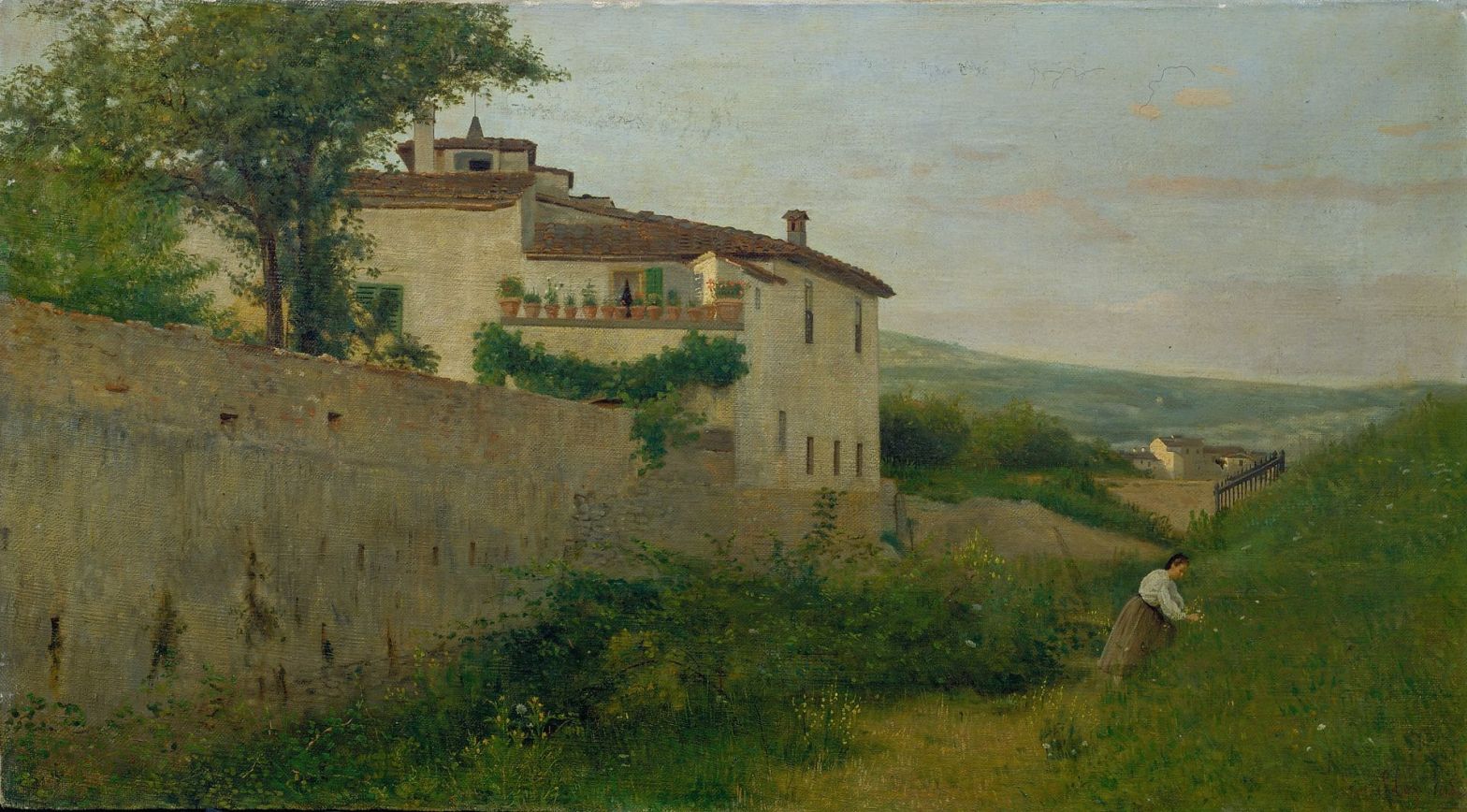
Florence, the Macchiaioli and the problem of belonging Silvestro Lega belongs securely to the history of the Macchiaioli, but not quite comfortably to any shorthand definition of them. That is partly because the Macchiaioli themselves were never a school in the strict sense. They were a loose and sometimes fractious constellation of painters, critics andContinue reading “Silvestro Lega: Places, People and Ways of Painting”
Tag Archives: Italian art
The Depth of the Surface: Vittorio Corcos (1859–1933) and the Art of Appearance
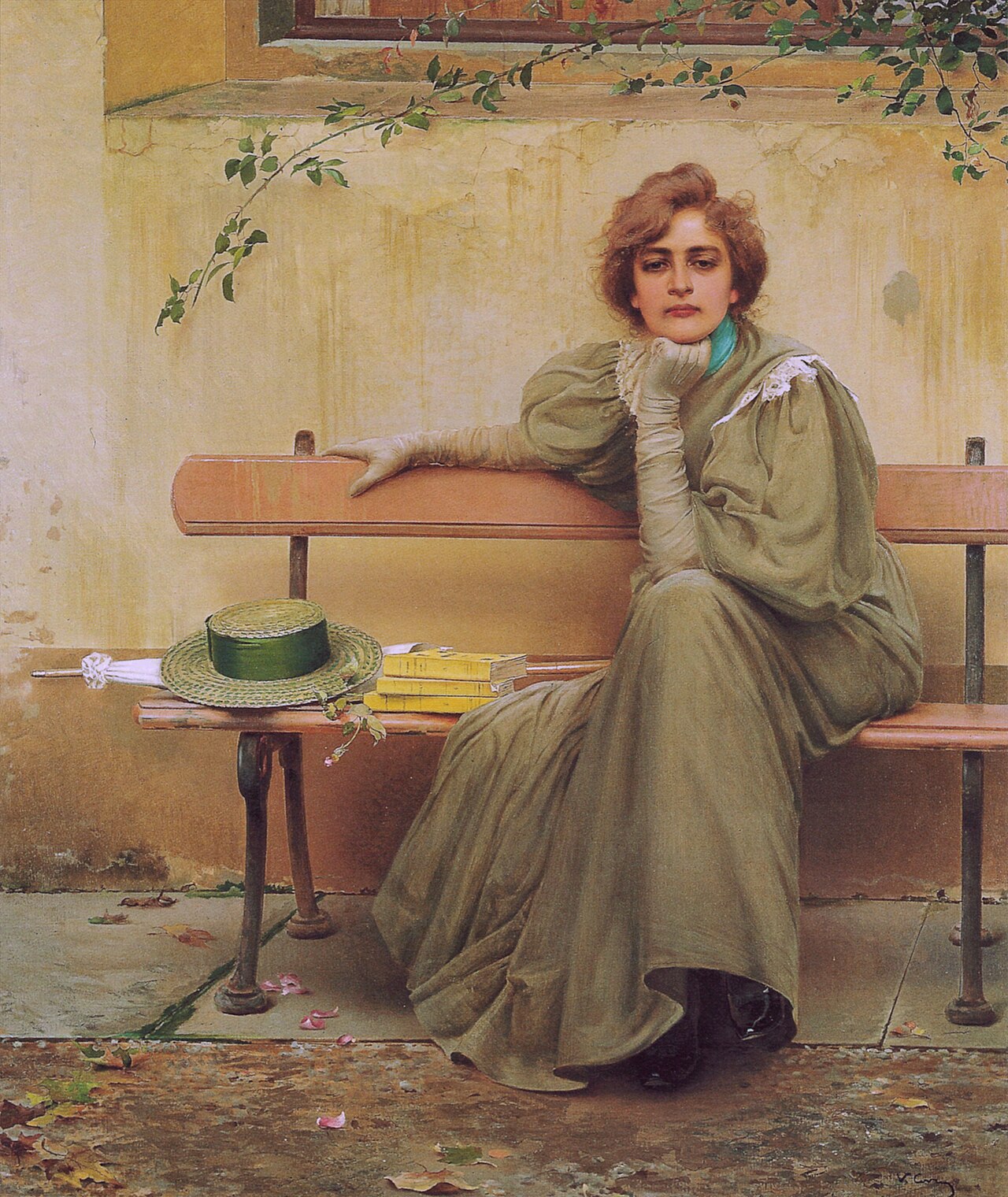
Formation and the vero Vittorio Corcos enrolled at the Accademia di Belle Arti in Florence in November 1875 and progressed with conspicuous ease. Admitted directly to Enrico Pollastrini’s drawing course, he passed his examinations and, in 1876–77, received a silver medal for a figure study copied dal vero. Despite this success, he soon became dissatisfiedContinue reading “The Depth of the Surface: Vittorio Corcos (1859–1933) and the Art of Appearance”
Giovanna Carolina Carlesimo / Juana Romani (1867–1923): Art, Identity and Self-Fashioning between Italy and Paris
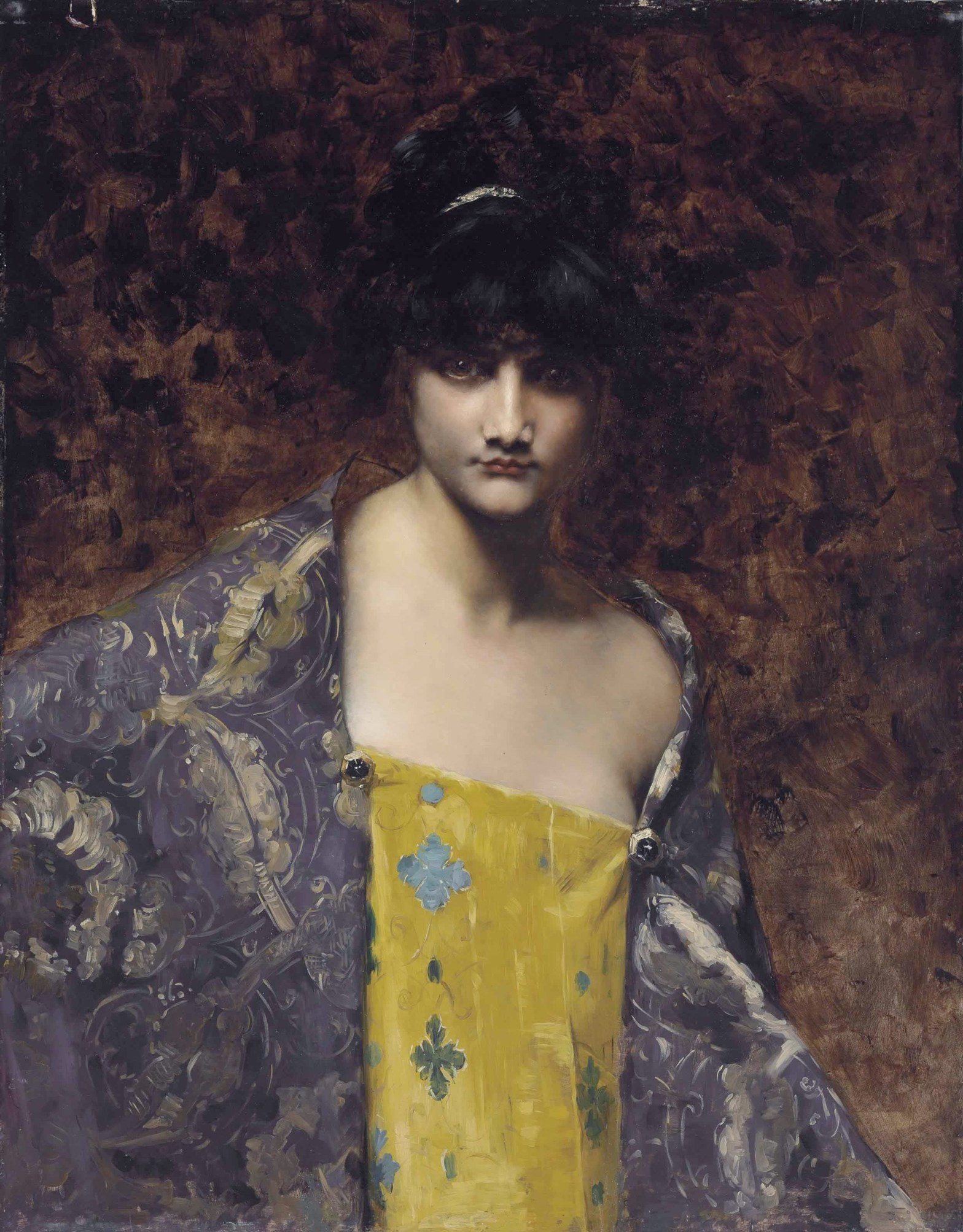
Juana Romani, La fille de Théodora (A Dark-Haired Beauty), 1898, oil on panel, 81.3 × 63.8 cm, current location unknown. Image: Wikimedia Commons, public domain. Origins and migration Juana Romani was born Giovanna Carolina Carlesimo in Velletri on 30 April 1867, in circumstances far removed from the Parisian art world in which she would laterContinue reading “Giovanna Carolina Carlesimo / Juana Romani (1867–1923): Art, Identity and Self-Fashioning between Italy and Paris”
Two Women in White: Whistler’s Symphony in White, No. 2 and De Nittis’s Giornata d’inverno
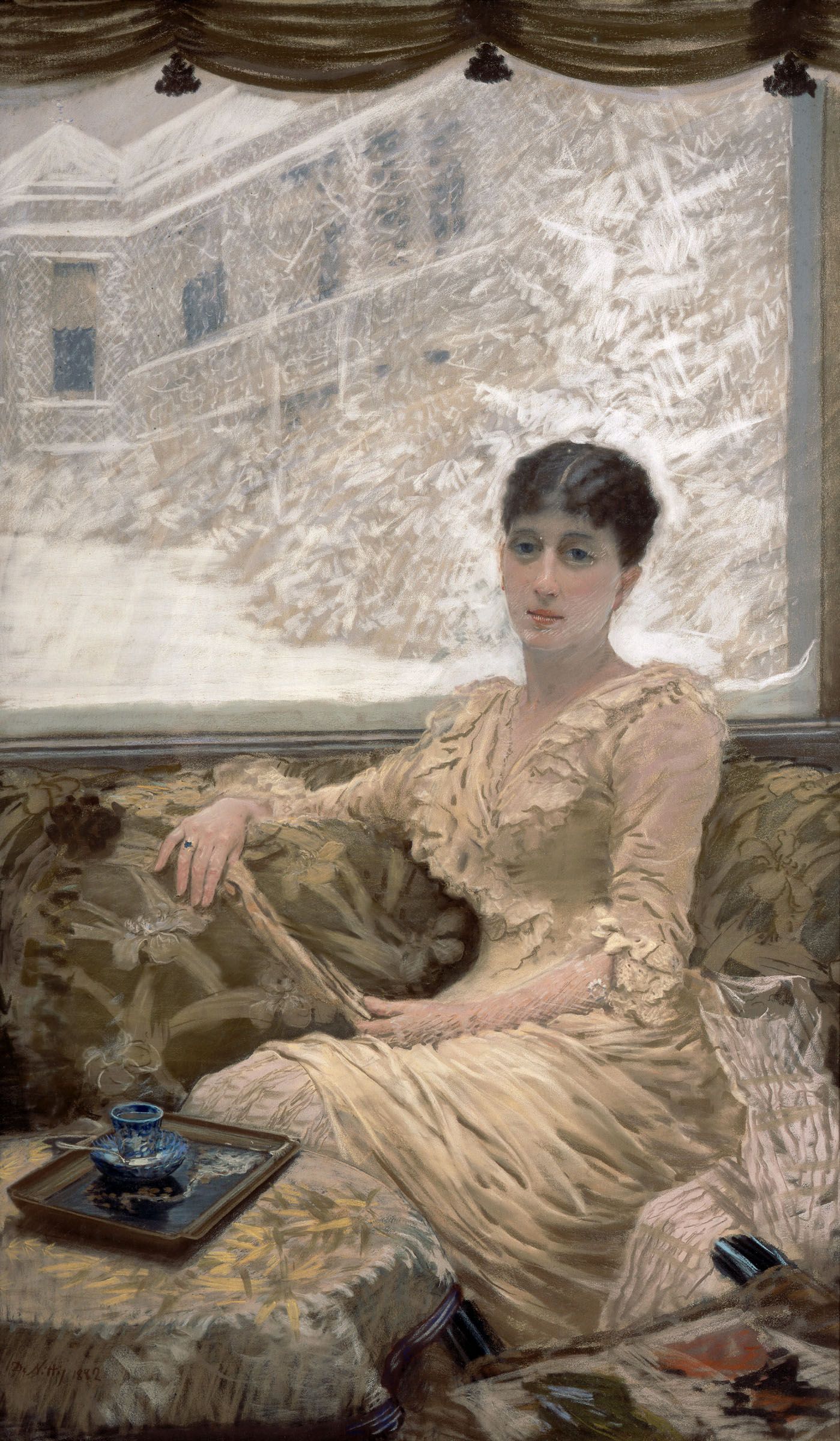
This essay brings together Giuseppe De Nittis’s Giornata d’inverno. Ritratto della signora De Nittis of 1882 and James McNeill Whistler’s Symphony in White, No. 2: The Little White Girl of 1864 as an accostamento: a juxtaposition of two works that share a contextual affinity. They are separated by nearly two decades. Yet Edmond de Goncourt’sContinue reading “Two Women in White: Whistler’s Symphony in White, No. 2 and De Nittis’s Giornata d’inverno”
Battistello Caracciolo: Painting after Caravaggio in Naples (Part 1).
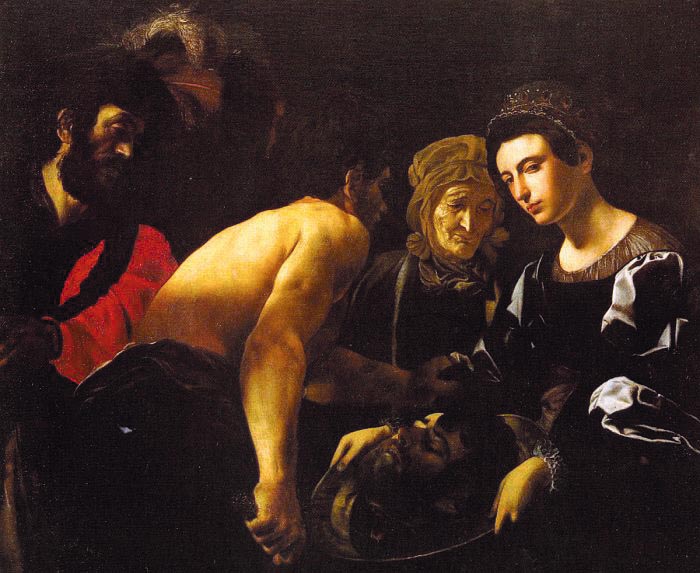
Part One: Caravaggio, Naples, and the First Inheritance Overview Giovanni Battista Caracciolo, known as Battistello, was born in Naples in 1578 and died there in December 1635. In 1598 he married Beatrice di Mario da Gaeta, with whom he had a large family, and by the beginning of the new century he was already activeContinue reading “Battistello Caracciolo: Painting after Caravaggio in Naples (Part 1).”
Battistello Caracciolo: Painting after Caravaggio in Naples (Part 2).
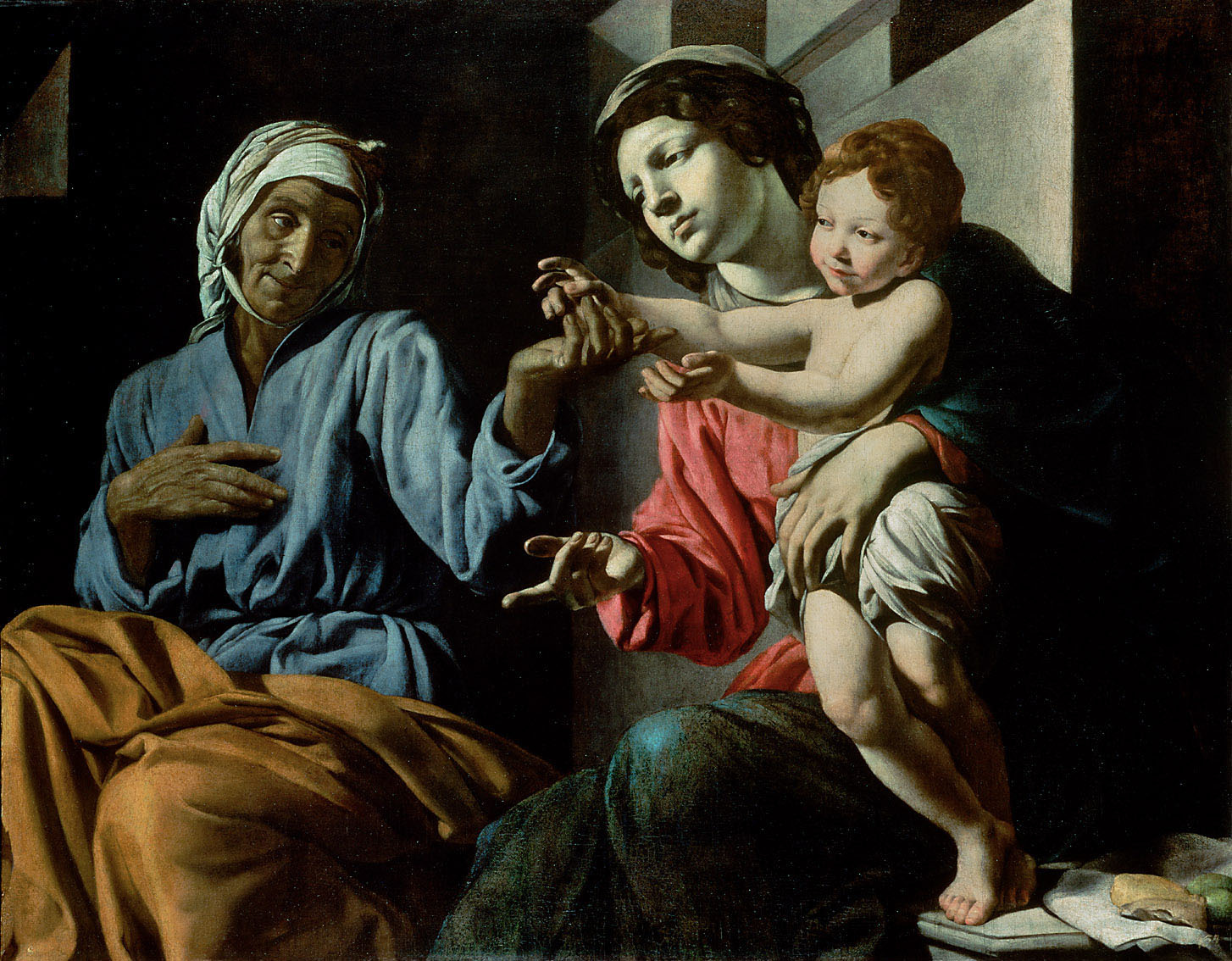
Part Two: Ribera, Lanfranco, and the Wider Neapolitan Field That darker current was associated above all with Ribera. His arrival in Naples around 1616 did not simply displace Caravaggio, but changed both the character and the reach of the local naturalist tradition. Causa’s distinction between the two painters is less a judgement of artistic greatnessContinue reading “Battistello Caracciolo: Painting after Caravaggio in Naples (Part 2).”
Battistello Caracciolo: Painting after Caravaggio in Naples (Part 3, Gallery).
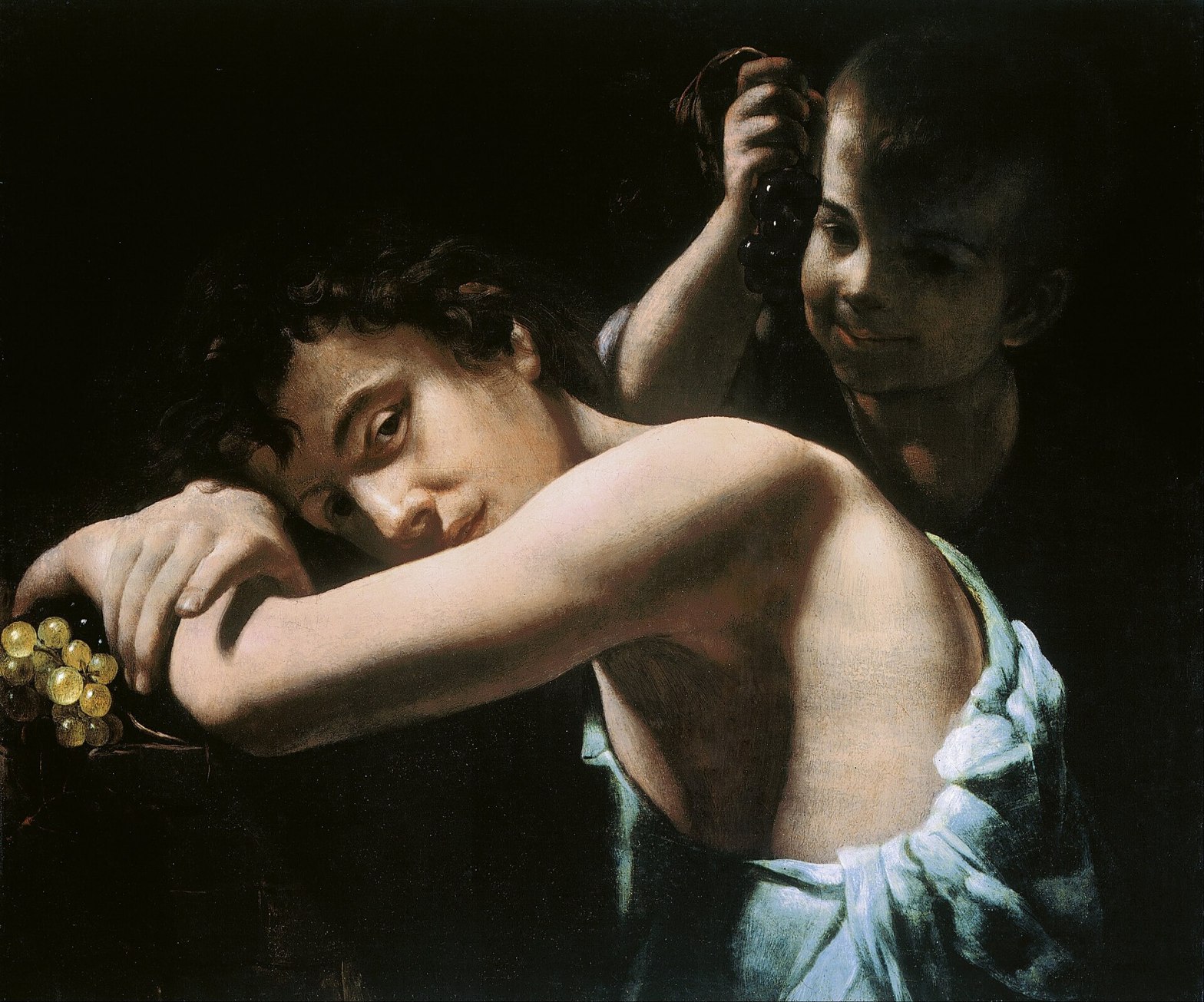
Part Three: Selected Works by Battistello Caracciolo Battistello Caracciolo, Due putti vendemmianti / Two youths with grapes, 1605–10; oil on poplar panel; 58.5 × 70.5 cm; Art Gallery of South Australia, Adelaide. Credit: Wikimedia Commons. Raffaello Causa first brought this small early panel to scholarly attention in 1950, when it belonged to the Moretti collectionContinue reading “Battistello Caracciolo: Painting after Caravaggio in Naples (Part 3, Gallery).”
 Inner Surfaces