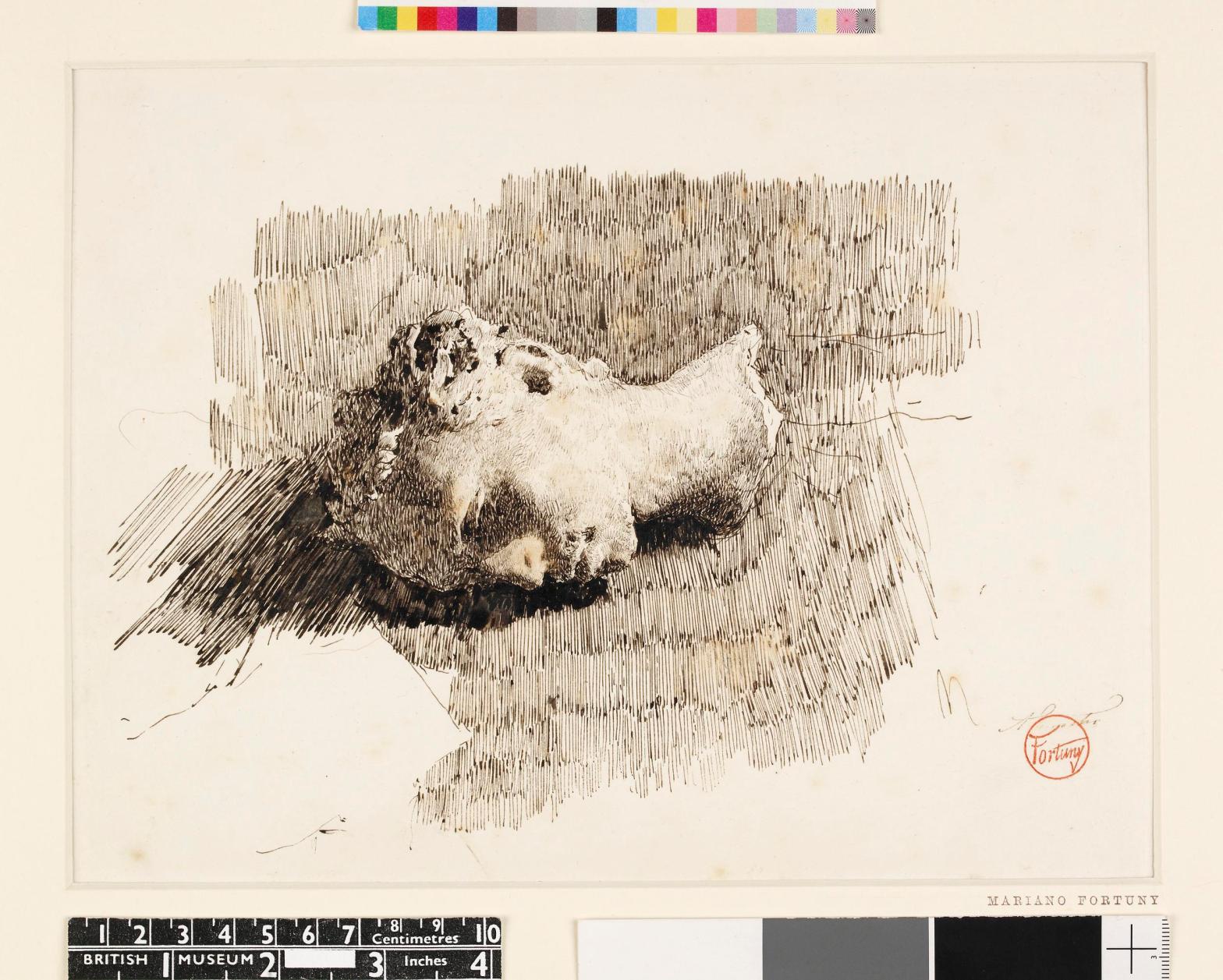
Mariano Fortuny, Plaster head of Francesco Paolo Michetti by Vincenzo Gemito, undated, before 1874, pen and brown ink on paper, 21.1 × 30 cm, British Museum, London. © The Trustees of the British Museum. CC BY-NC-SA 4.0. One reality, several ways of seeing Mariano Fortuny’s drawing of Vincenzo Gemito’s plaster portrait of Francesco Paolo MichettiContinue reading “Francesco Paolo Michetti and the Investigation of the Visible”
Tag Archives: drawing
Polidoro da Caravaggio (c. 1499–1543): Studies for an Annunciation

Two small roundels, the Angelo annunciante and the Vergine annunciata, painted in Naples in 1527–28 and now in the Museo e Real Bosco di Capodimonte, are closely connected with a double-sided sheet of red-chalk studies of approximately the same date, now in the Fitzwilliam Museum, Cambridge. Together, the drawings and paintings offer an unusually concentratedContinue reading “Polidoro da Caravaggio (c. 1499–1543): Studies for an Annunciation”
Rue Scribe: Giuseppe Casciaro (1861–1941) and an Italian Network in Paris
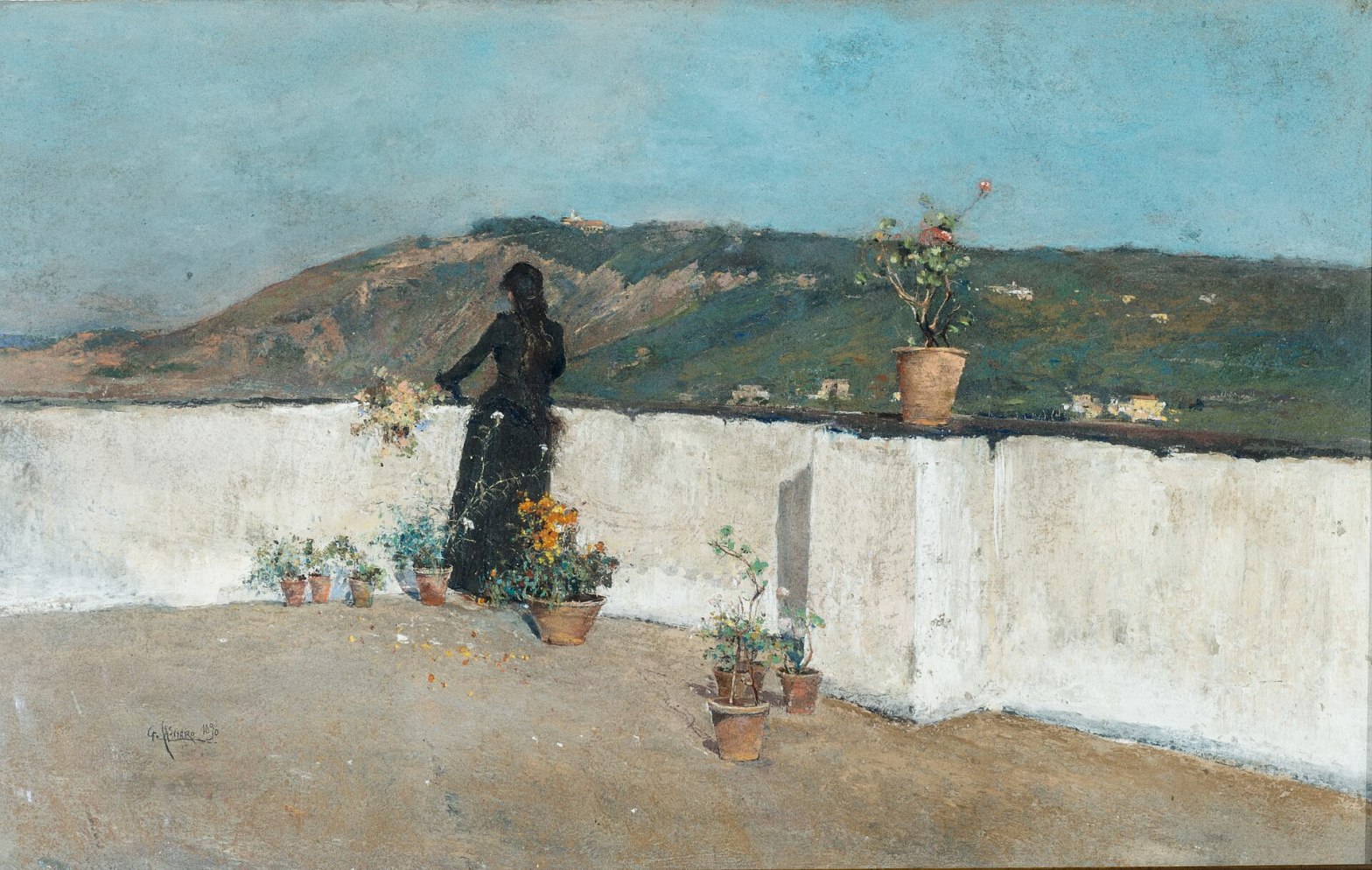
Giuseppe Casciaro’s association with Paris appears to have developed earlier than has often been assumed. Vito Carbonara notes that, in 1889, Pio Enea Cugeno referred to works by the young painter as already exhibited, or intended for exhibition, in the French capital. A further indication appears in April 1891, when the Gazzetta delle Puglie reportedContinue reading “Rue Scribe: Giuseppe Casciaro (1861–1941) and an Italian Network in Paris”
Irreversible Consequences: Mancini and Manet
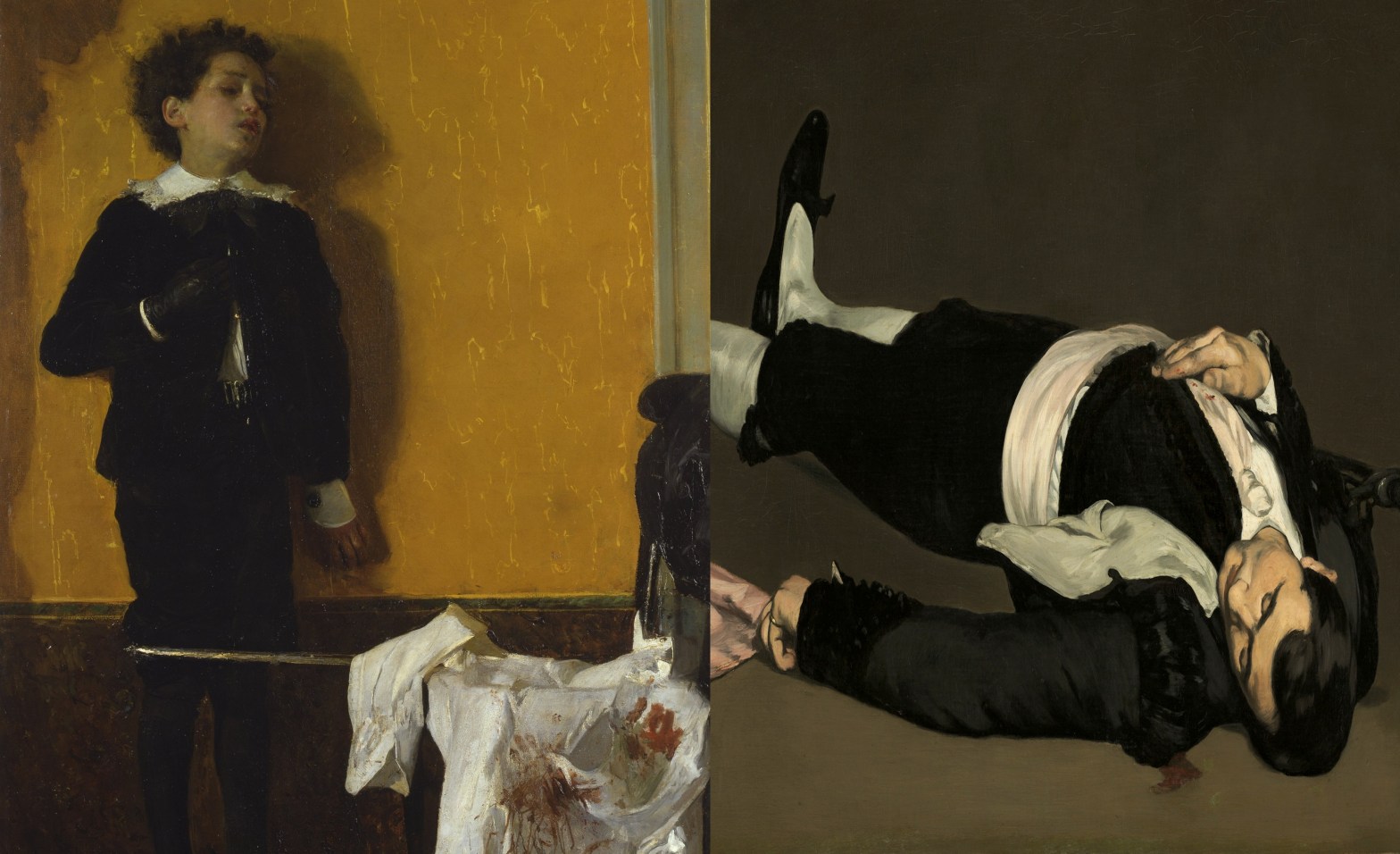
(Credit: Wikimedia Commons). At first glance, Antonio Mancini’s Dopo il duello (1872) and Édouard Manet’s Dead Toreador (c. 1864; exhibited independently as L’Homme mort in 1867) appear to belong to quite different pictorial worlds. Mancini’s painting centres on the frightened reaction of a child confronted with the aftermath of a duel, while Manet’s image presentsContinue reading “Irreversible Consequences: Mancini and Manet”
Giacinto Gigante (1806 to 1876): landscape regenerated from within.
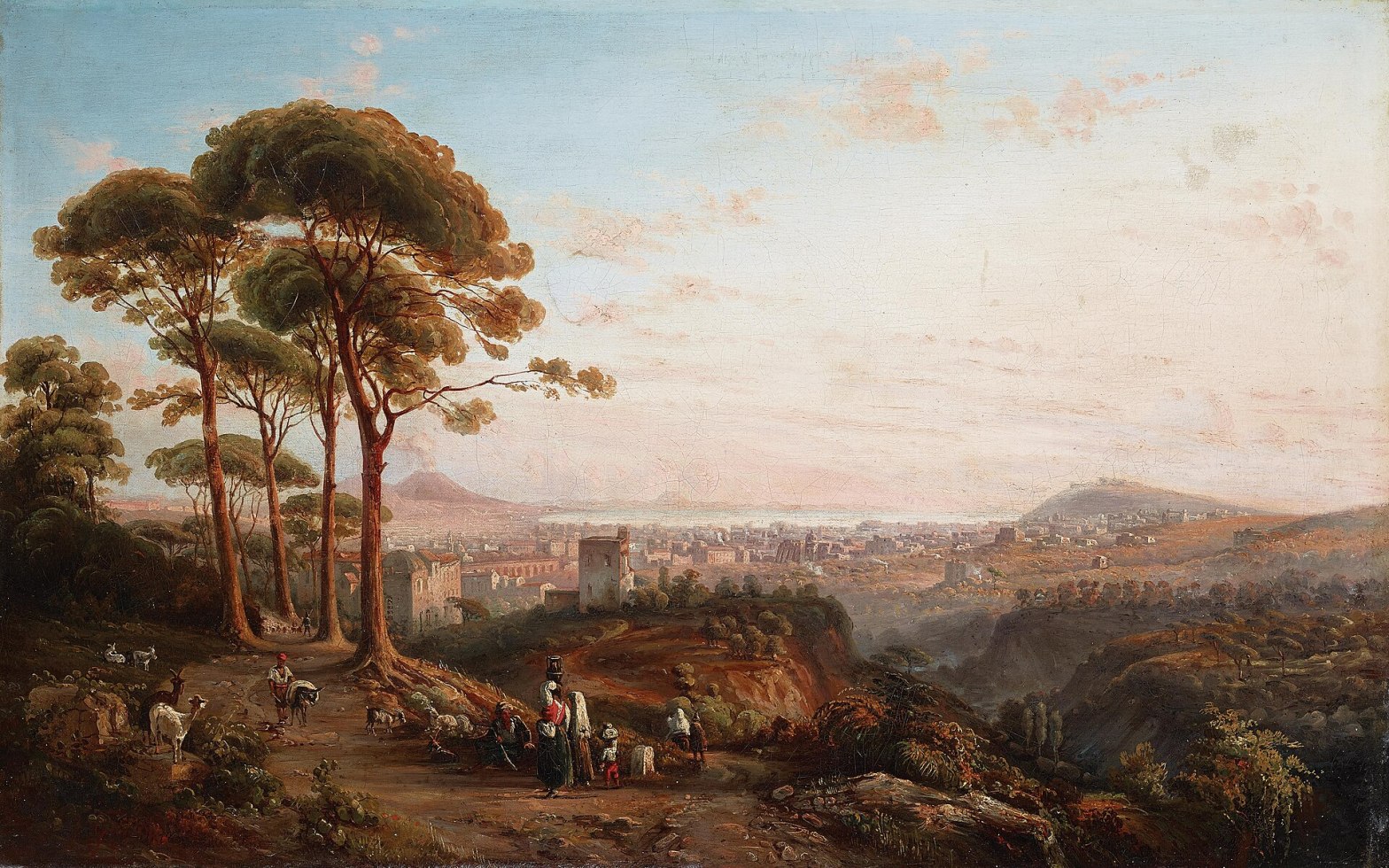
Giacinto Gigante, Veduta di Napoli dalla Conocchia, before 1876, oil on canvas, 37.5 × 60 cm. (Credit: Wikimedia Commons). (Credit: Wikimedia Commons / Museo Nazionale di San Martino, Naples). Born in Naples in July 1806 to Gaetano Gigante and Anna Maria Fatati, Giacinto Gigante grew up in an artistic household. Around 1801, his parents hadContinue reading “Giacinto Gigante (1806 to 1876): landscape regenerated from within.”
Giuseppe De Nittis: Light, Air and Modern Life.
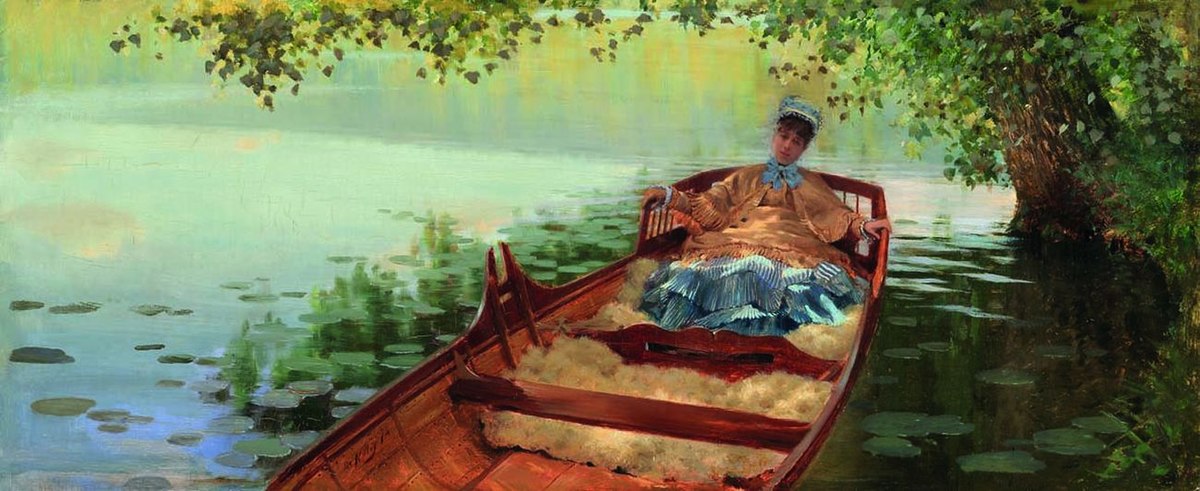
Léontine in canotto/ Léontine in a rowing boat (1874), oil on panel, 24×54 cm, Private collection. Self-Portrait (ca.1883) Pastel on canvas, 114×88 cm, Palazzo della Marra, Barletta. (Credit: Wikimedia Commons). Giuseppe De Nittis: “A happy man who would have wished everyone around him to be equally happy.” Jeanne Mairet, Souvenirs, 1907. De Nittis was aContinue reading “Giuseppe De Nittis: Light, Air and Modern Life.”

