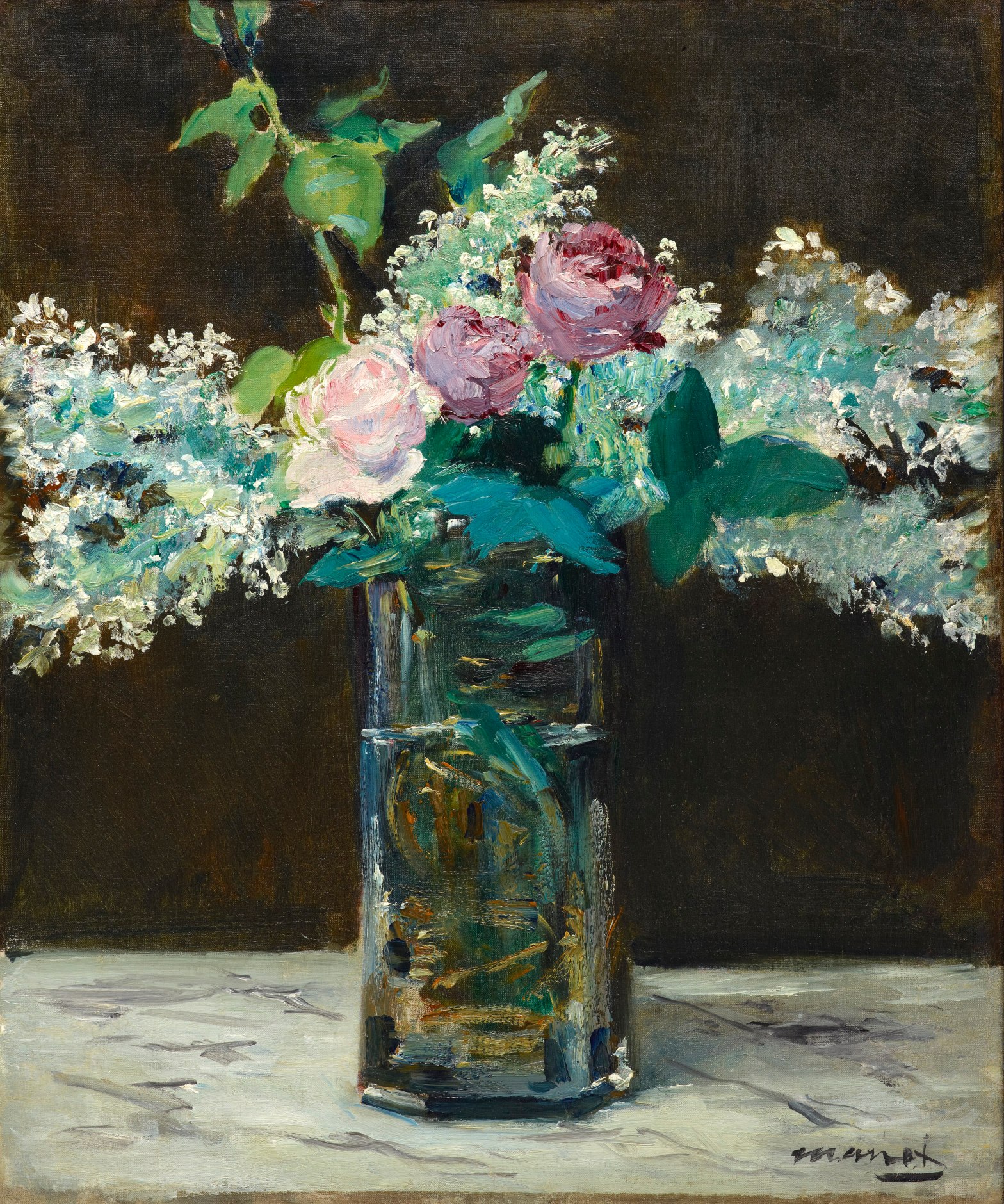
Manet, Painter of Things Still life occupies a substantial place in Manet’s work. Henri Loyrette counts seventy-eight still lifes among the 430 paintings catalogued by Denis Rouart and Daniel Wildenstein, approaching a fifth of the total. The proportion is striking for an artist so closely associated with modern life and the human figure. Still-life objectsContinue reading “Manet and Still Life: The Last Flowers”
Tag Archives: painting
Francesco Paolo Michetti and the Investigation of the Visible
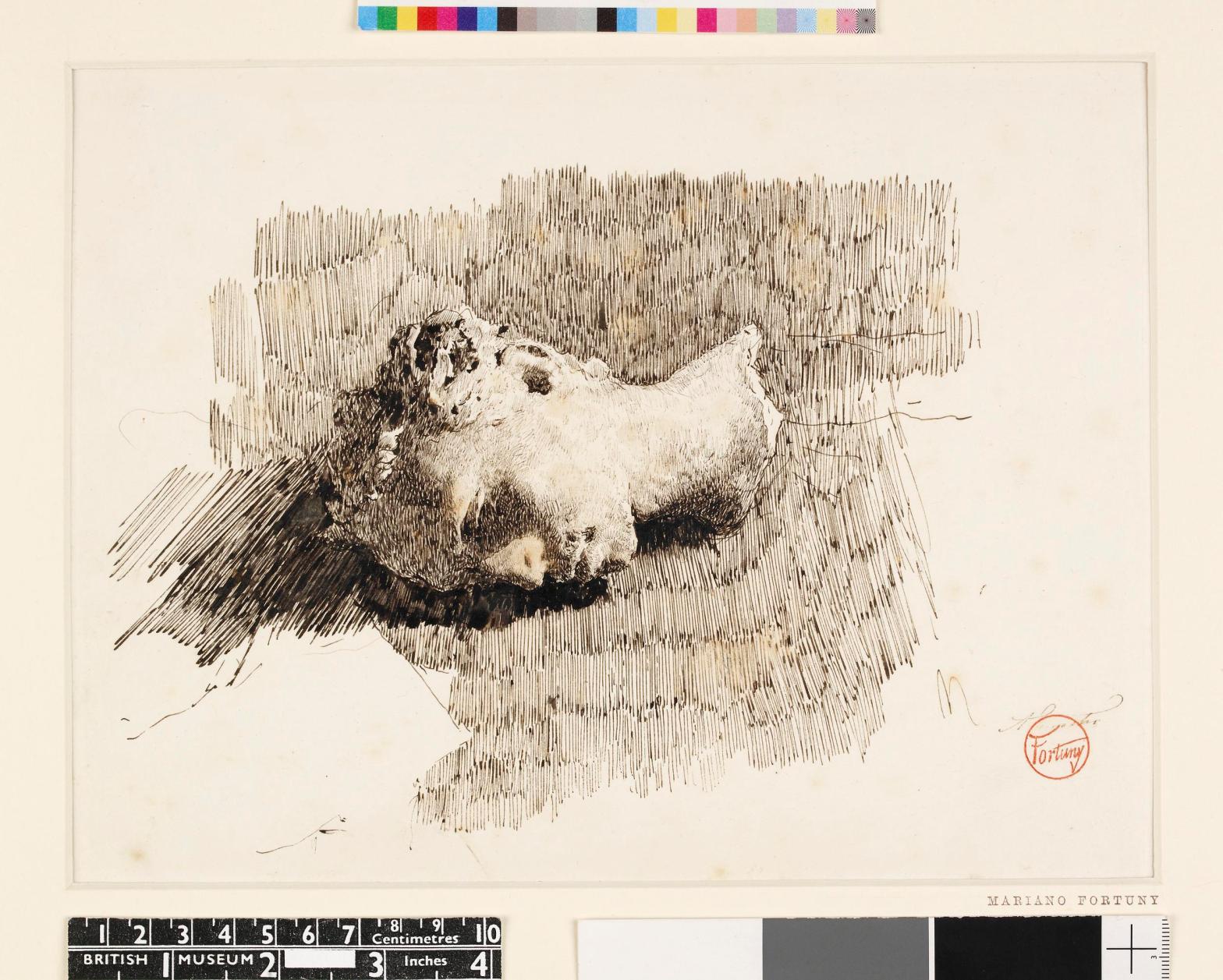
Mariano Fortuny, Plaster head of Francesco Paolo Michetti by Vincenzo Gemito, undated, before 1874, pen and brown ink on paper, 21.1 × 30 cm, British Museum, London. © The Trustees of the British Museum. CC BY-NC-SA 4.0. One reality, several ways of seeing Mariano Fortuny’s drawing of Vincenzo Gemito’s plaster portrait of Francesco Paolo MichettiContinue reading “Francesco Paolo Michetti and the Investigation of the Visible”
Texture, Colour and Light: Francesco Noletti (c. 1611–1654)
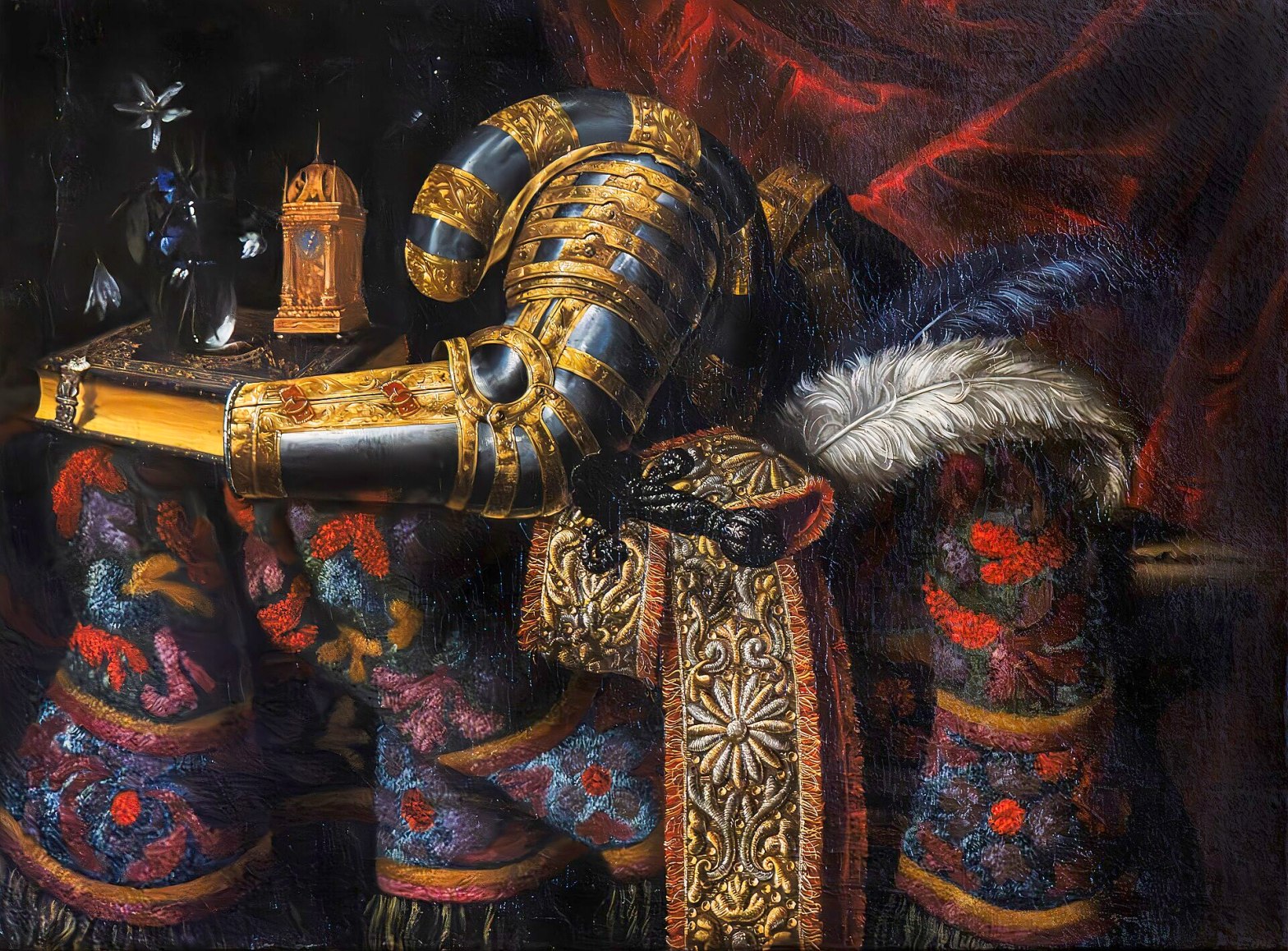
Francesco Noletti, Still Life with Armour, c. 1650, oil on canvas, 76 × 108 cm, Museo Correr, Venice, inv. Cl. I no. 1049. Image: Didier Descouens, Wikimedia Commons, CC BY-SA 4.0. The Painted Carpet In 1662, the Flemish writer Cornelis de Bie related a story about a pope visiting the house of Francesco Noletti, theContinue reading “Texture, Colour and Light: Francesco Noletti (c. 1611–1654)”
Piero di Cosimo’s Portrait of Simonetta Vespucci: Memory and Invention
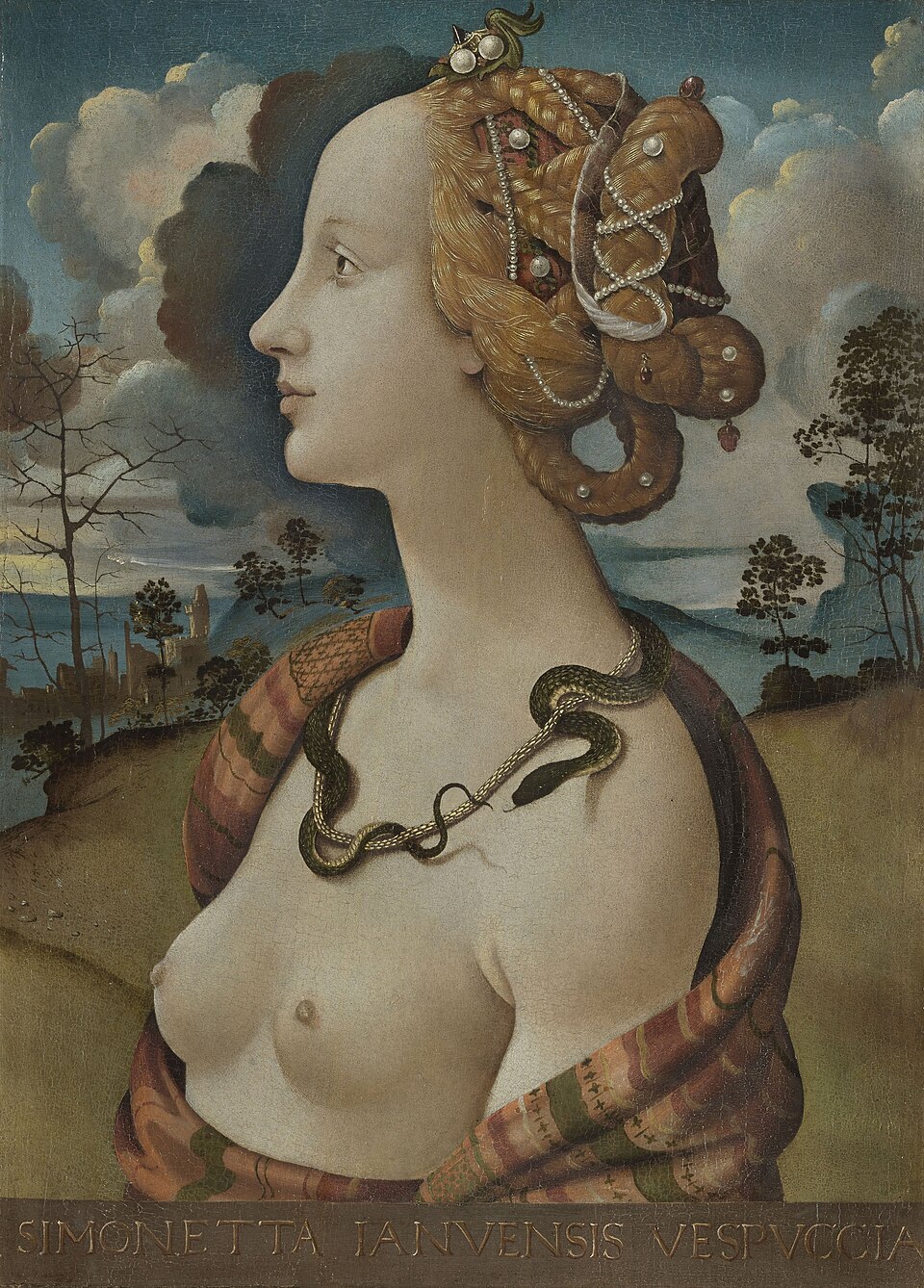
A young woman appears in strict profile against a landscape darkening beneath storm clouds. Her pale face is calm and remote, her elaborately plaited hair threaded with pearls and precious stones. Her breasts are uncovered, and around her neck a living serpent winds itself through a gold chain. Along the lower edge of the panel,Continue reading “Piero di Cosimo’s Portrait of Simonetta Vespucci: Memory and Invention”
Johan Christian Dahl (1788–1857): Two Landscapes through Windows
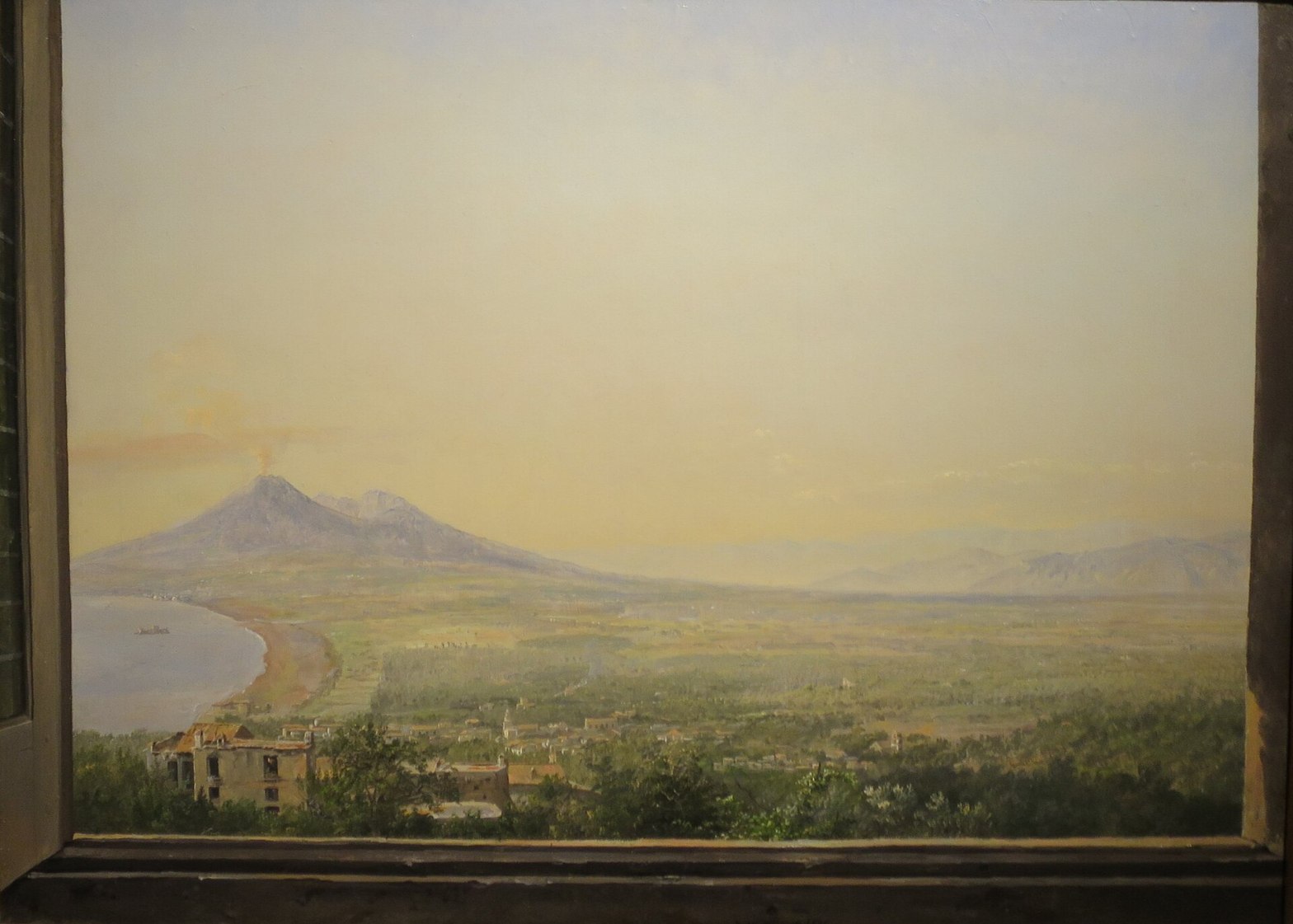
“The eye must be opened to the true and wondrous life of nature, and the hand must be trained to do the soul’s bidding quickly, easily, and beautifully. This alone can be the aim of instruction in any of the pictorial arts.” Carl Gustav Carus, Nine Letters on Landscape Painting, Letter VIII. Johan Christian Dahl’sContinue reading “Johan Christian Dahl (1788–1857): Two Landscapes through Windows”
Rue Scribe: Giuseppe Casciaro (1861–1941) and an Italian Network in Paris
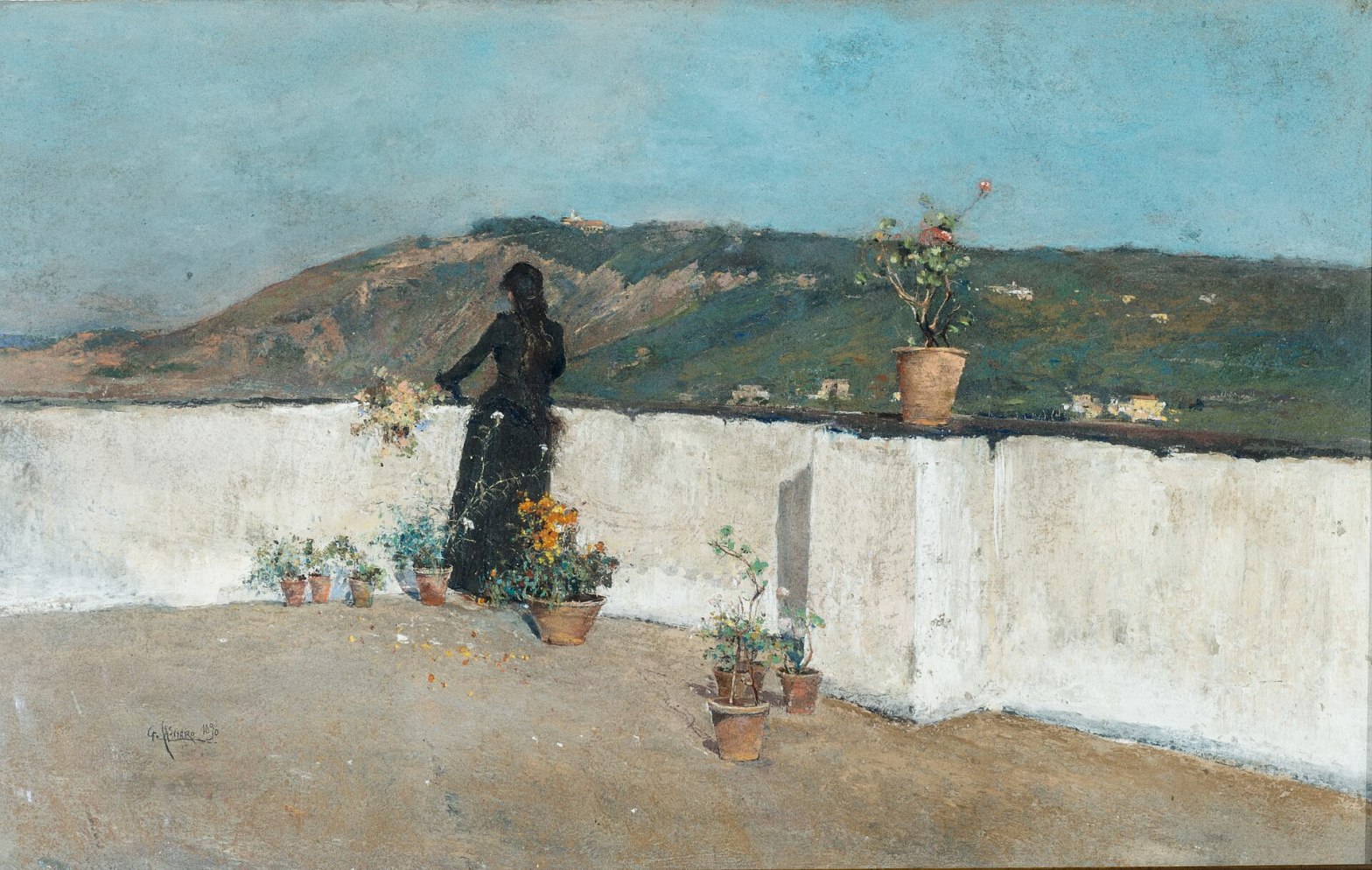
Giuseppe Casciaro’s association with Paris appears to have developed earlier than has often been assumed. Vito Carbonara notes that, in 1889, Pio Enea Cugeno referred to works by the young painter as already exhibited, or intended for exhibition, in the French capital. A further indication appears in April 1891, when the Gazzetta delle Puglie reportedContinue reading “Rue Scribe: Giuseppe Casciaro (1861–1941) and an Italian Network in Paris”
Corot: A Girl Reading
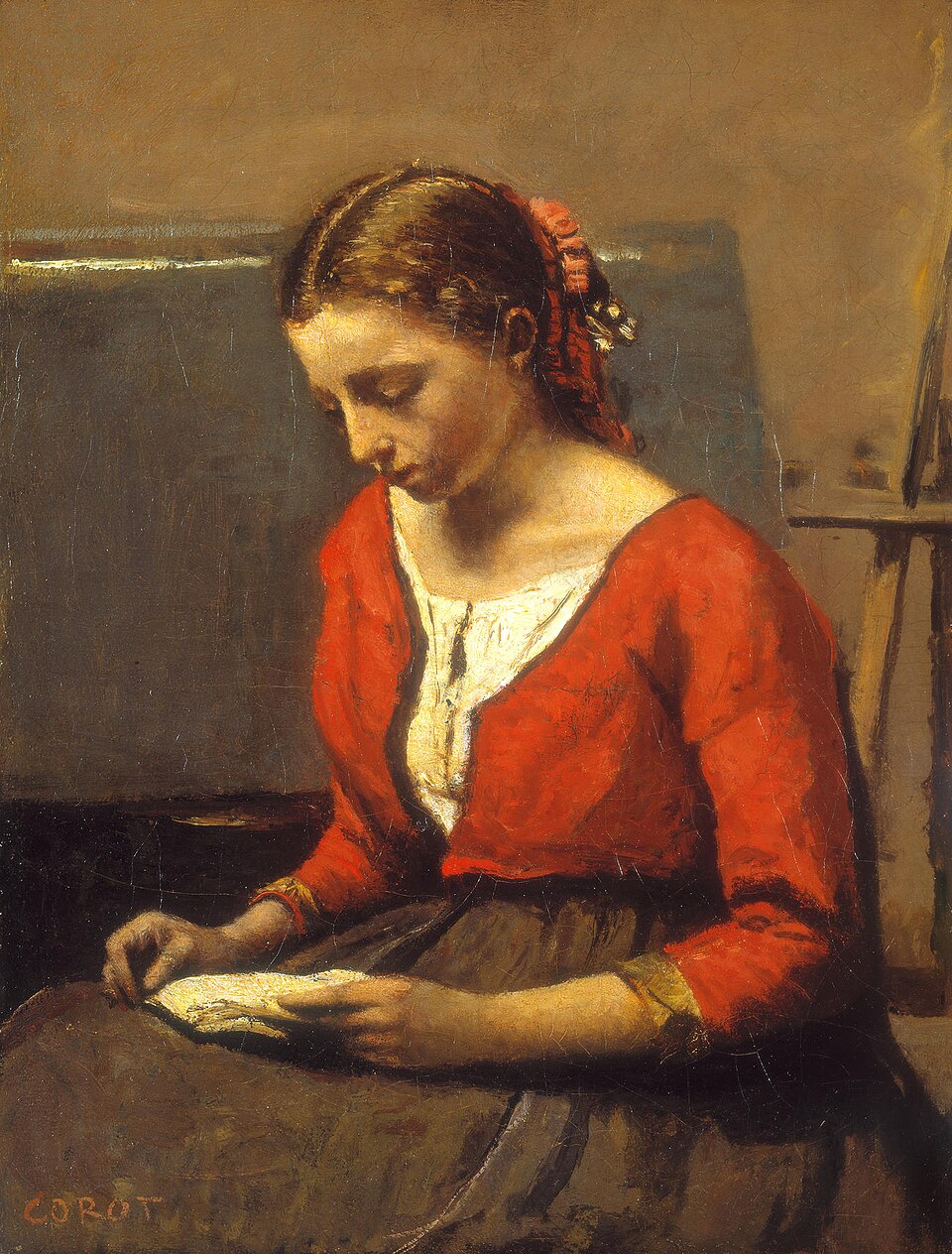
A young woman sits absorbed in a small book, her head inclined towards its pages in quiet concentration. Corot has reduced the setting to little more than a subdued arrangement of warm browns and ochres, relieved by the white of her blouse and the open pages before her, while the deep red of her jacketContinue reading “Corot: A Girl Reading”
Giovanni Andrea Donducci, detto il Mastelletta (1575–1655): Sacred Stories, Private Pictures and Imagined Landscapes
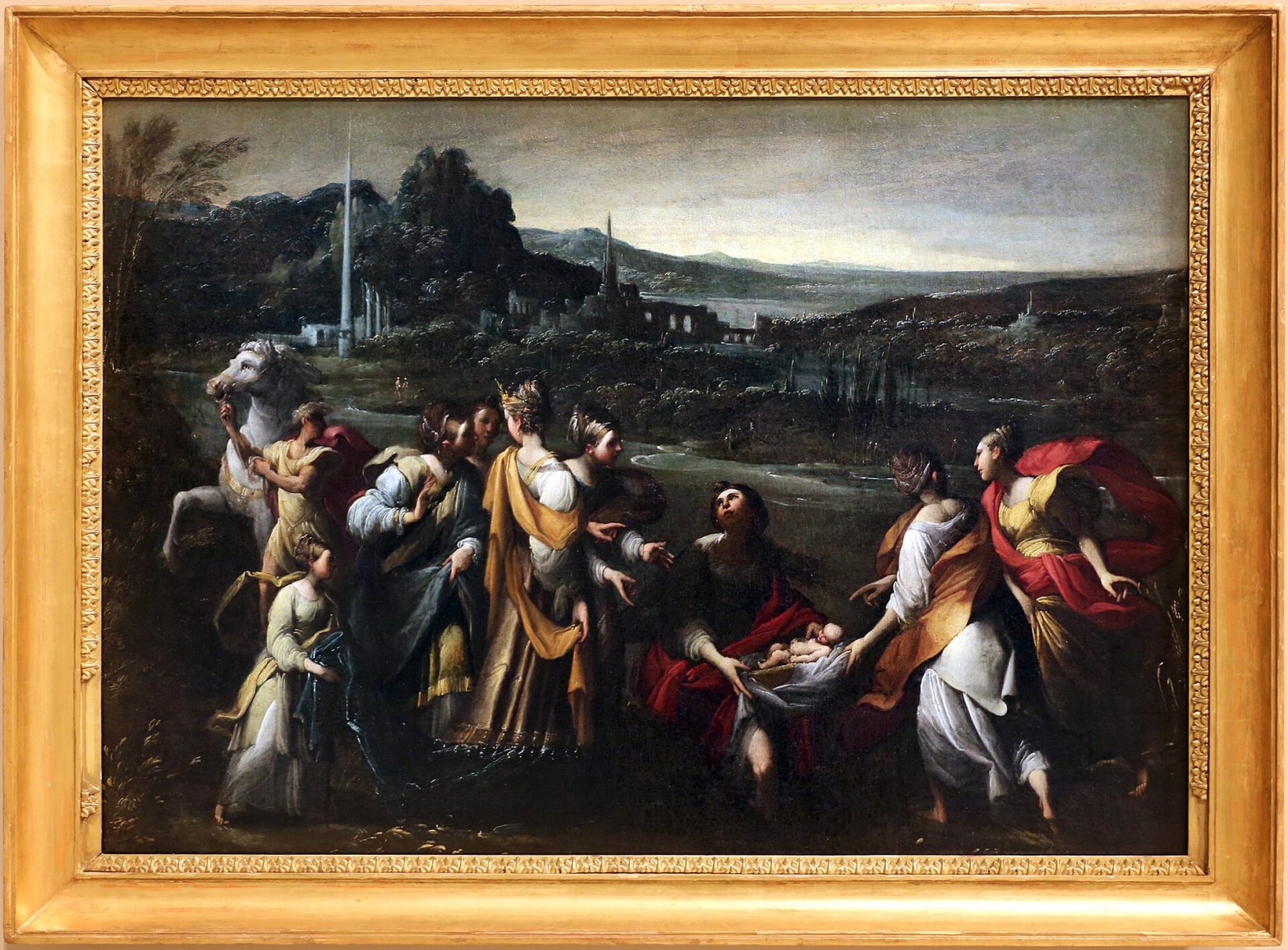
Giovanni Andrea Donducci, detto il Mastelletta Giovanni Andrea Donducci, called il Mastelletta, was born in Bologna in 1575 and died there in 1655. His career belongs to one of the most crowded and difficult moments in Bolognese painting: the period after the Carracci reform, when the city’s painters were working under the shadow of Ludovico,Continue reading “Giovanni Andrea Donducci, detto il Mastelletta (1575–1655): Sacred Stories, Private Pictures and Imagined Landscapes”
Giacomo Balla: From Divisionism to the Futurist Universe (Part One, Divisionism and the Photographic Real)
A note on images For reasons of copyright, I have not reproduced most of the works discussed in the text. Instead, each article is followed by a short gallery of selected works, with links to museum, collection or institutional pages where images can be viewed. Other works mentioned in the essay may also be foundContinue reading “Giacomo Balla: From Divisionism to the Futurist Universe (Part One, Divisionism and the Photographic Real)”
Tradition and Transformation: Velázquez’s Las Hilanderas / The Spinners / The Fable of Arachne (c. 1655–60).
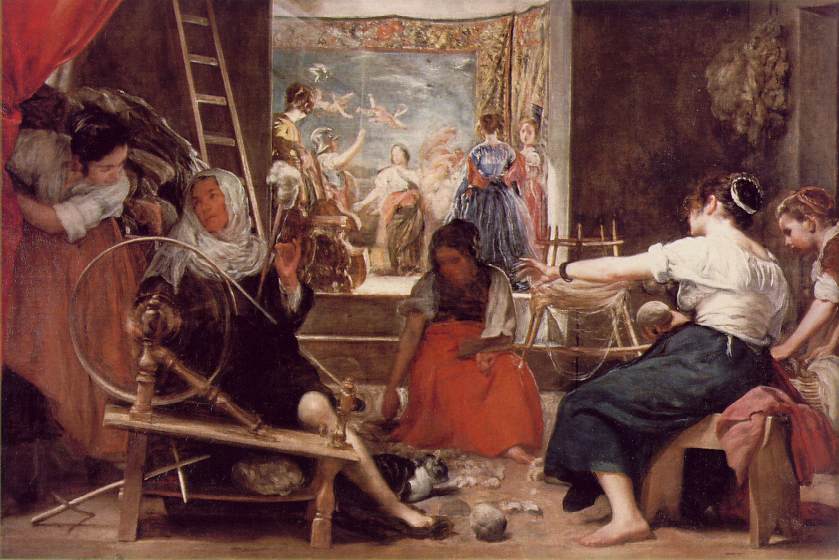
Diego Velázquez, Las Hilanderas (The Spinners, or The Fable of Arachne), c. 1657–58, oil on canvas, Museo Nacional del Prado, Madrid. (Credit: Wikipedia). « Ce qui m’a le plus ravi en Espagne, ce qui, à lui seul, vaut le voyage, c’est l’œuvre de Vélasquez. C’est le peintre des peintres ; je n’ai, cependant, été nullementContinue reading “Tradition and Transformation: Velázquez’s Las Hilanderas / The Spinners / The Fable of Arachne (c. 1655–60).”

