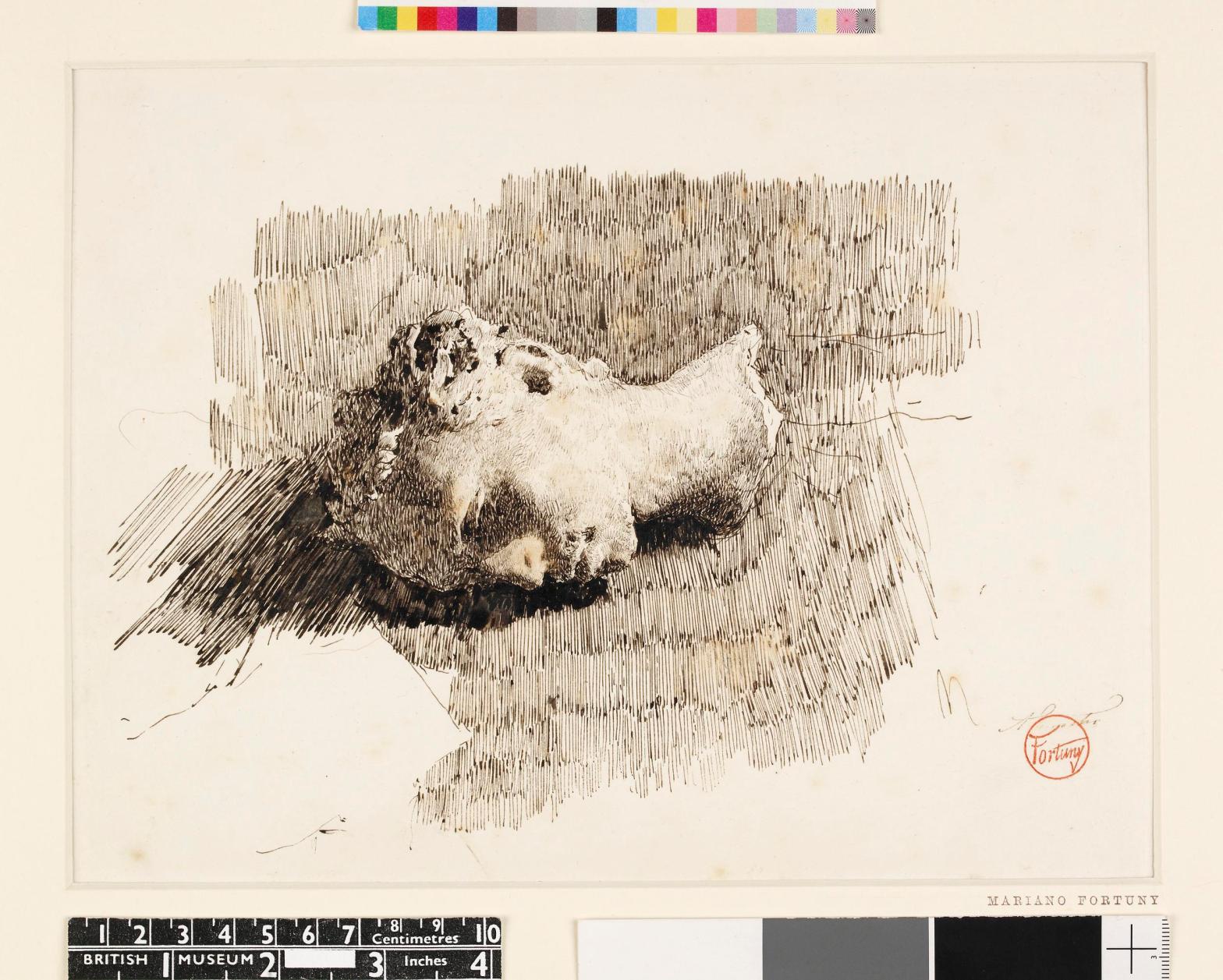
Mariano Fortuny, Plaster head of Francesco Paolo Michetti by Vincenzo Gemito, undated, before 1874, pen and brown ink on paper, 21.1 × 30 cm, British Museum, London. © The Trustees of the British Museum. CC BY-NC-SA 4.0. One reality, several ways of seeing Mariano Fortuny’s drawing of Vincenzo Gemito’s plaster portrait of Francesco Paolo MichettiContinue reading “Francesco Paolo Michetti and the Investigation of the Visible”
Tag Archives: nineteenth-century art
Terraces: Two Short Studies (Thomas Fearnley and the Neapolitan Tradition)
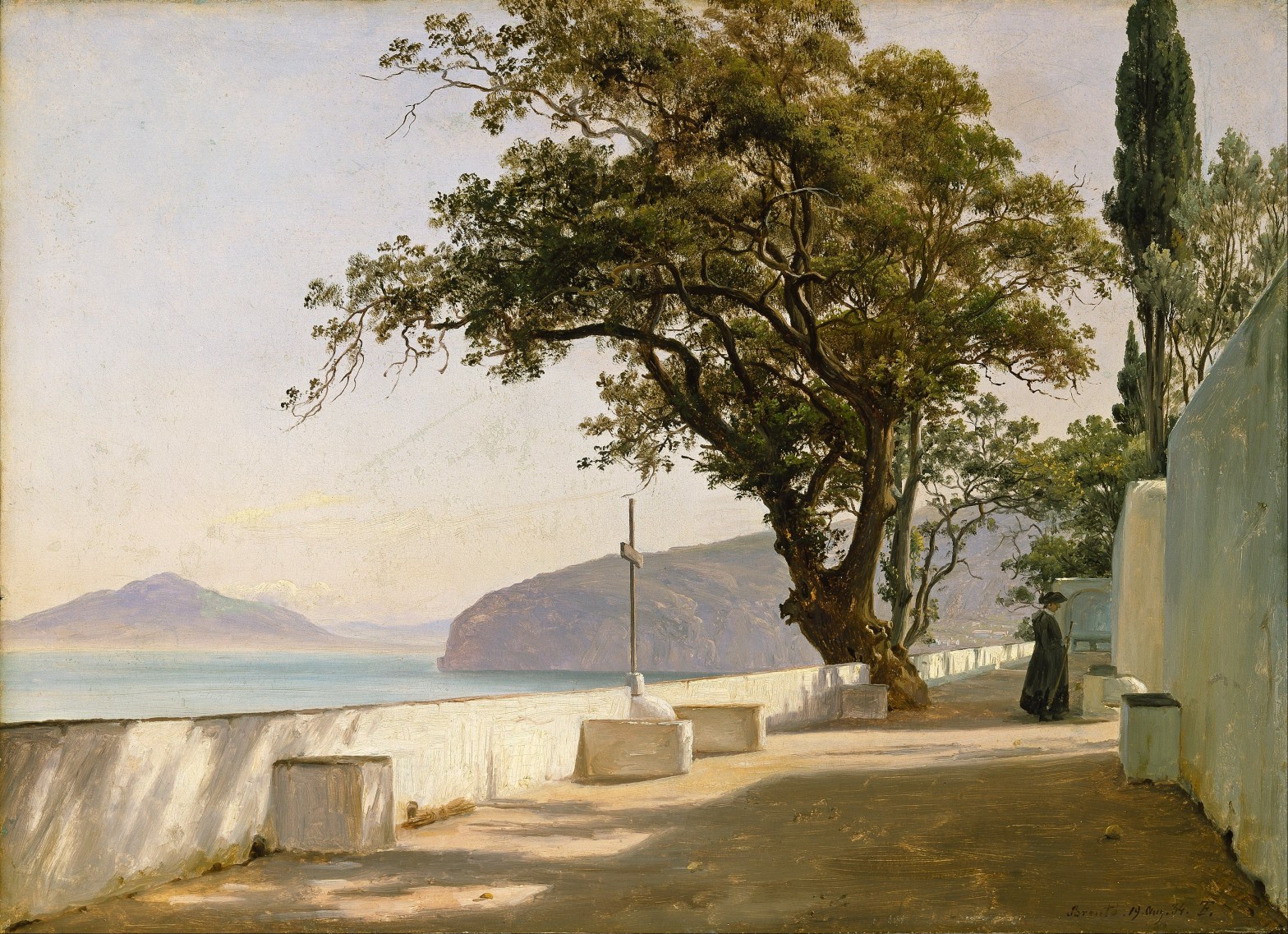
Thomas Fearnley and the Terrace Thomas Fearnley travelled to Naples in the spring of 1833 before making an extended journey through Sicily. His Italian itinerary also took in Capri, Sorrento, Amalfi and Castellammare, places already familiar to northern European artists and, in several cases, to his mentor Johan Christian Dahl. David Jackson has stressed, however,Continue reading “Terraces: Two Short Studies (Thomas Fearnley and the Neapolitan Tradition)”
Nikolai Kuznetsov (1850–1929) and Ilya Repin (1844–1930): Fields and Flowers
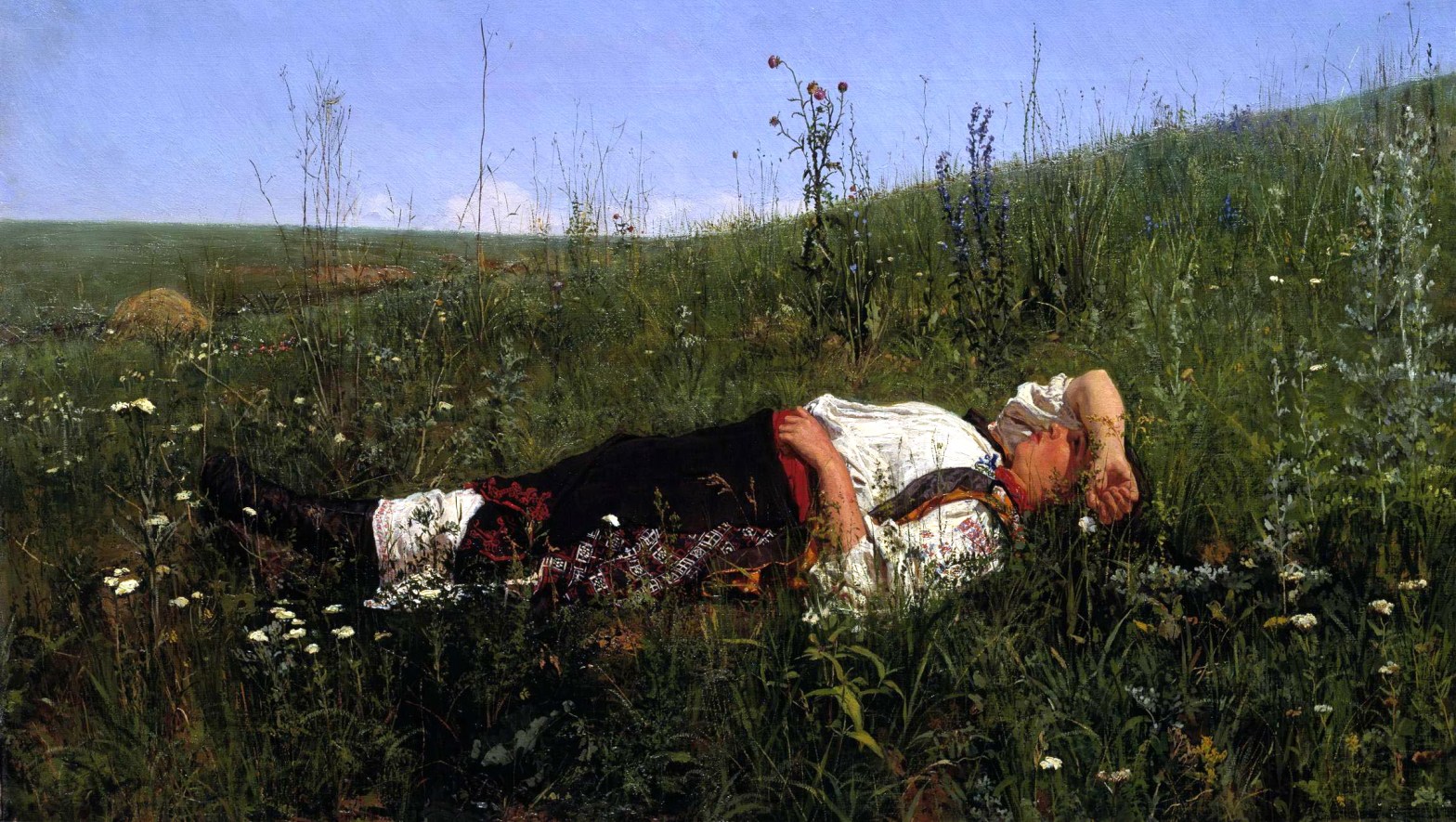
Two women inhabit two expanses of grass and flowers. In Nikolai Kuznetsov’s Holiday of 1879, a young woman lies almost full length in the vegetation, her body settling into the broad horizontal spread of the field. Thirteen years later, in Ilya Repin’s Autumn Bouquet. Portrait of Vera Repin, the artist’s daughter stands upright in anContinue reading “Nikolai Kuznetsov (1850–1929) and Ilya Repin (1844–1930): Fields and Flowers”
An Elusive Realism: Gustave Courbet’s Les Cribleuses de blé (The Grain Sifters).
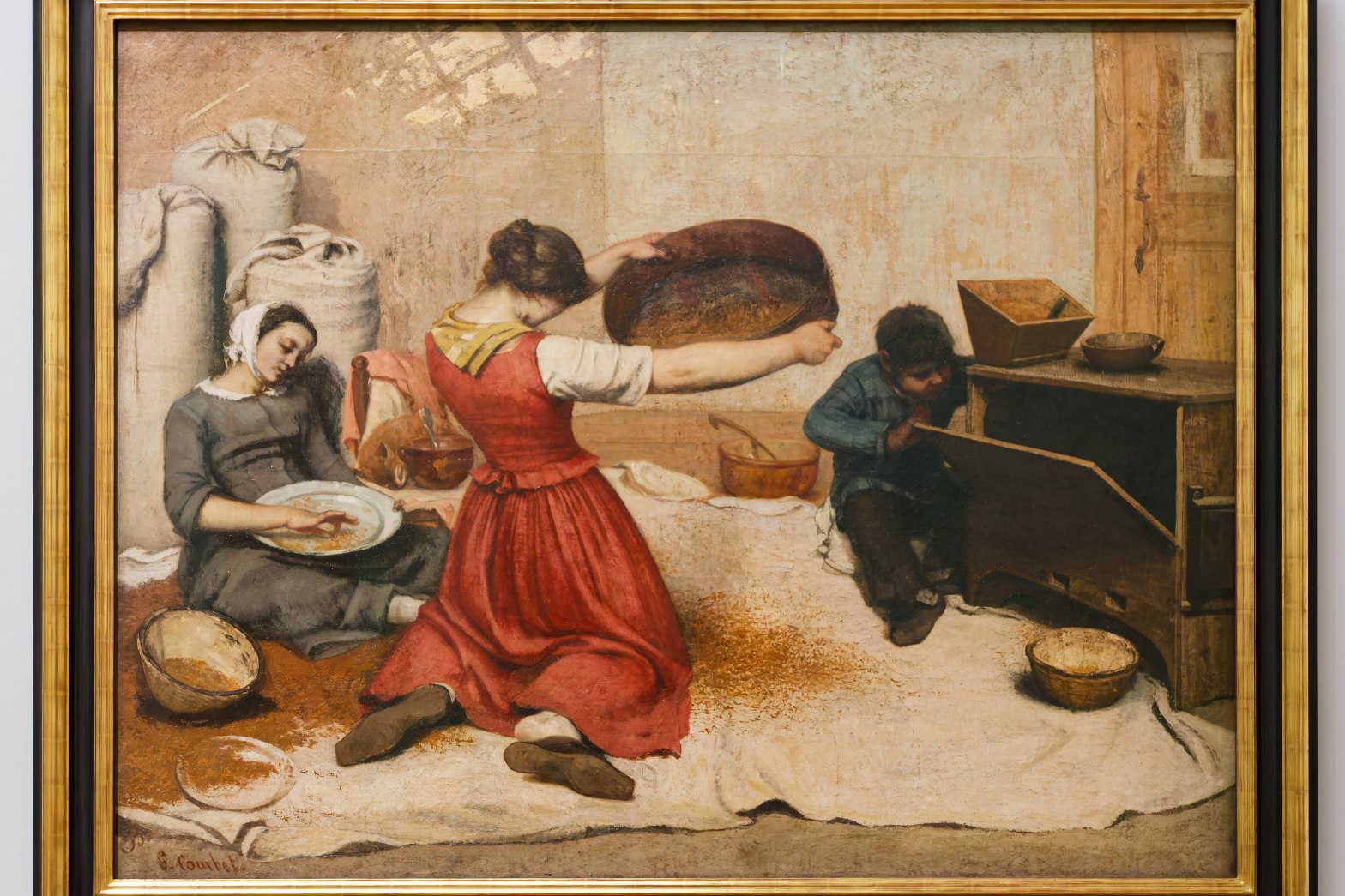
Courbet, Ornans and 1854–55 When Gustave Courbet painted Les Cribleuses de blé (The Grain Sifters) in 1854–55, he was in his mid-thirties and had already become one of the most contentious figures in French painting. Born in 1819 at Ornans, a small town in the Doubs close to the Swiss border, Courbet came from aContinue reading “An Elusive Realism: Gustave Courbet’s Les Cribleuses de blé (The Grain Sifters).”
Silvestro Lega: Places, People and Ways of Painting
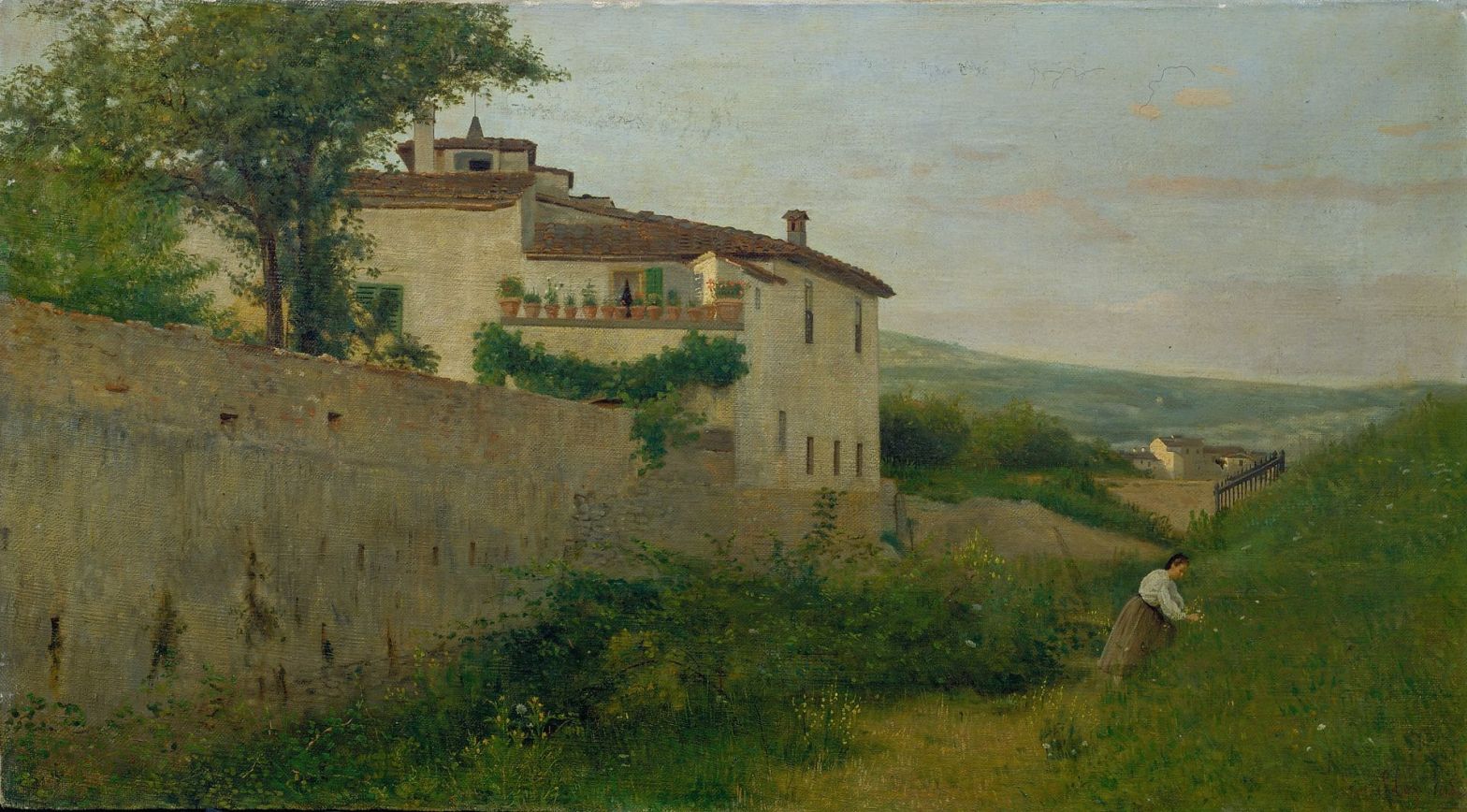
Florence, the Macchiaioli and the problem of belonging Silvestro Lega belongs securely to the history of the Macchiaioli, but not quite comfortably to any shorthand definition of them. That is partly because the Macchiaioli themselves were never a school in the strict sense. They were a loose and sometimes fractious constellation of painters, critics andContinue reading “Silvestro Lega: Places, People and Ways of Painting”
The Depth of the Surface: Vittorio Corcos (1859–1933) and the Art of Appearance
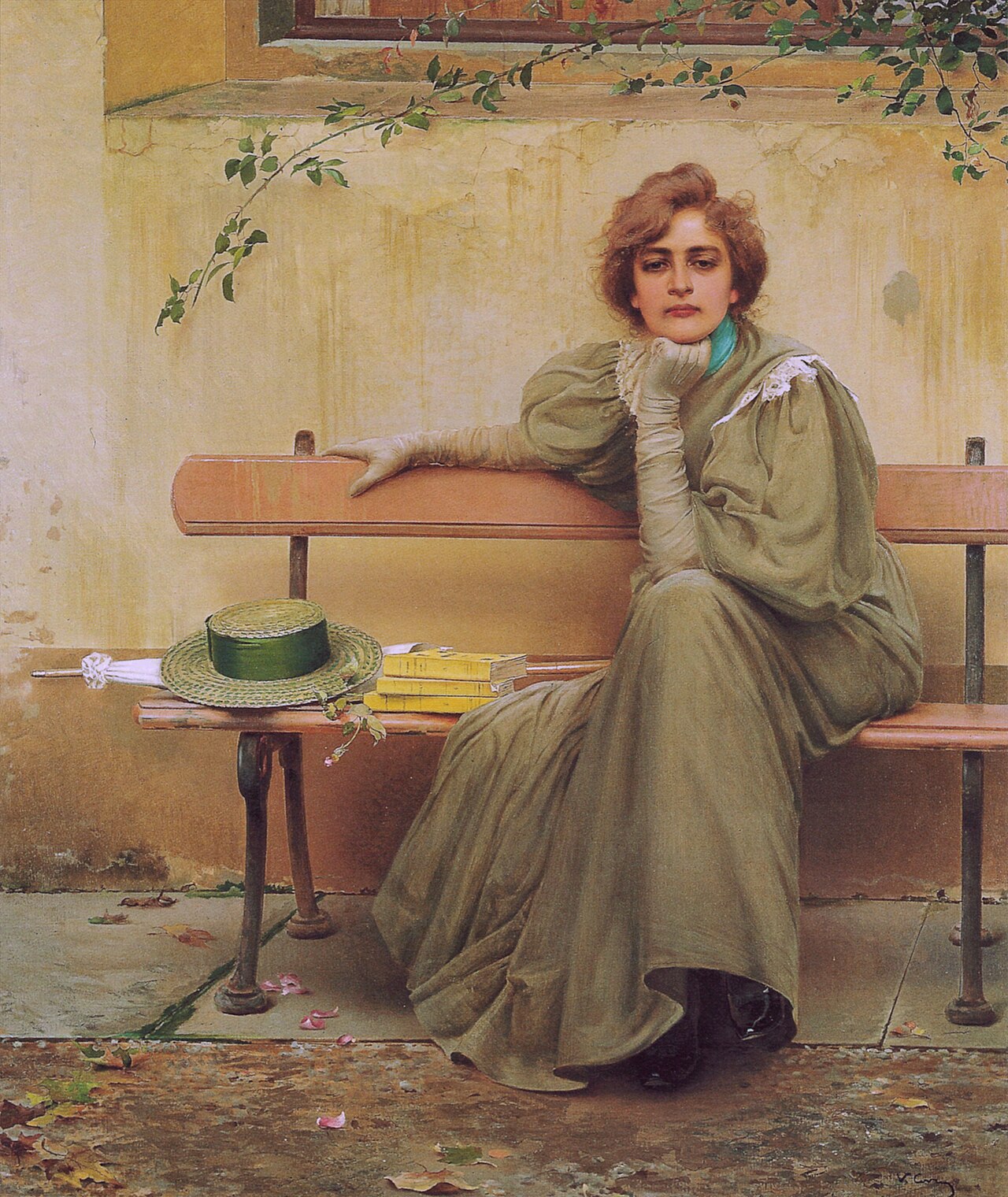
Formation and the vero Vittorio Corcos enrolled at the Accademia di Belle Arti in Florence in November 1875 and progressed with conspicuous ease. Admitted directly to Enrico Pollastrini’s drawing course, he passed his examinations and, in 1876–77, received a silver medal for a figure study copied dal vero. Despite this success, he soon became dissatisfiedContinue reading “The Depth of the Surface: Vittorio Corcos (1859–1933) and the Art of Appearance”
Giovanna Carolina Carlesimo / Juana Romani (1867–1923): Art, Identity and Self-Fashioning between Italy and Paris
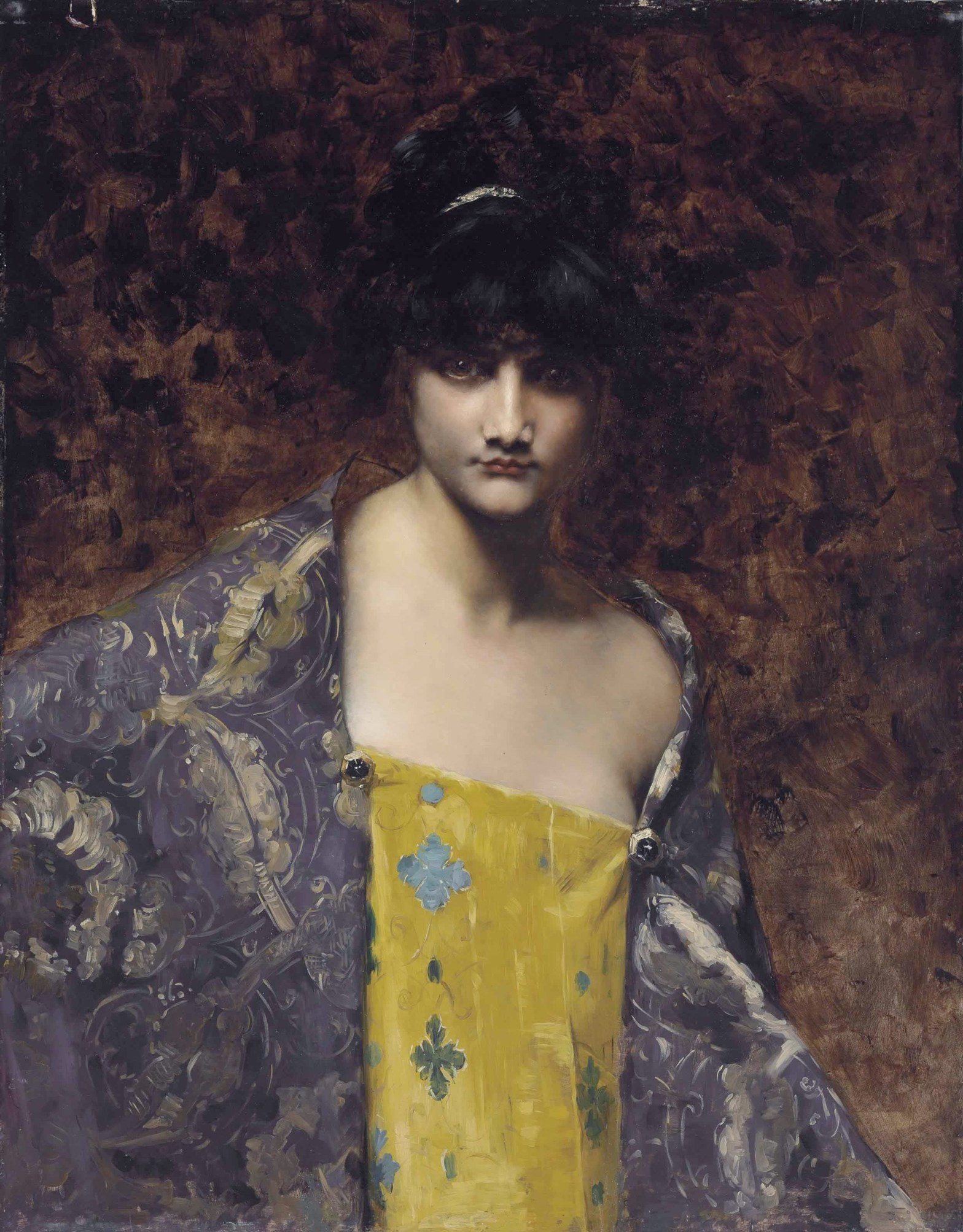
Juana Romani, La fille de Théodora (A Dark-Haired Beauty), 1898, oil on panel, 81.3 × 63.8 cm, current location unknown. Image: Wikimedia Commons, public domain. Origins and migration Juana Romani was born Giovanna Carolina Carlesimo in Velletri on 30 April 1867, in circumstances far removed from the Parisian art world in which she would laterContinue reading “Giovanna Carolina Carlesimo / Juana Romani (1867–1923): Art, Identity and Self-Fashioning between Italy and Paris”
Two Women in White: Whistler’s Symphony in White, No. 2 and De Nittis’s Giornata d’inverno
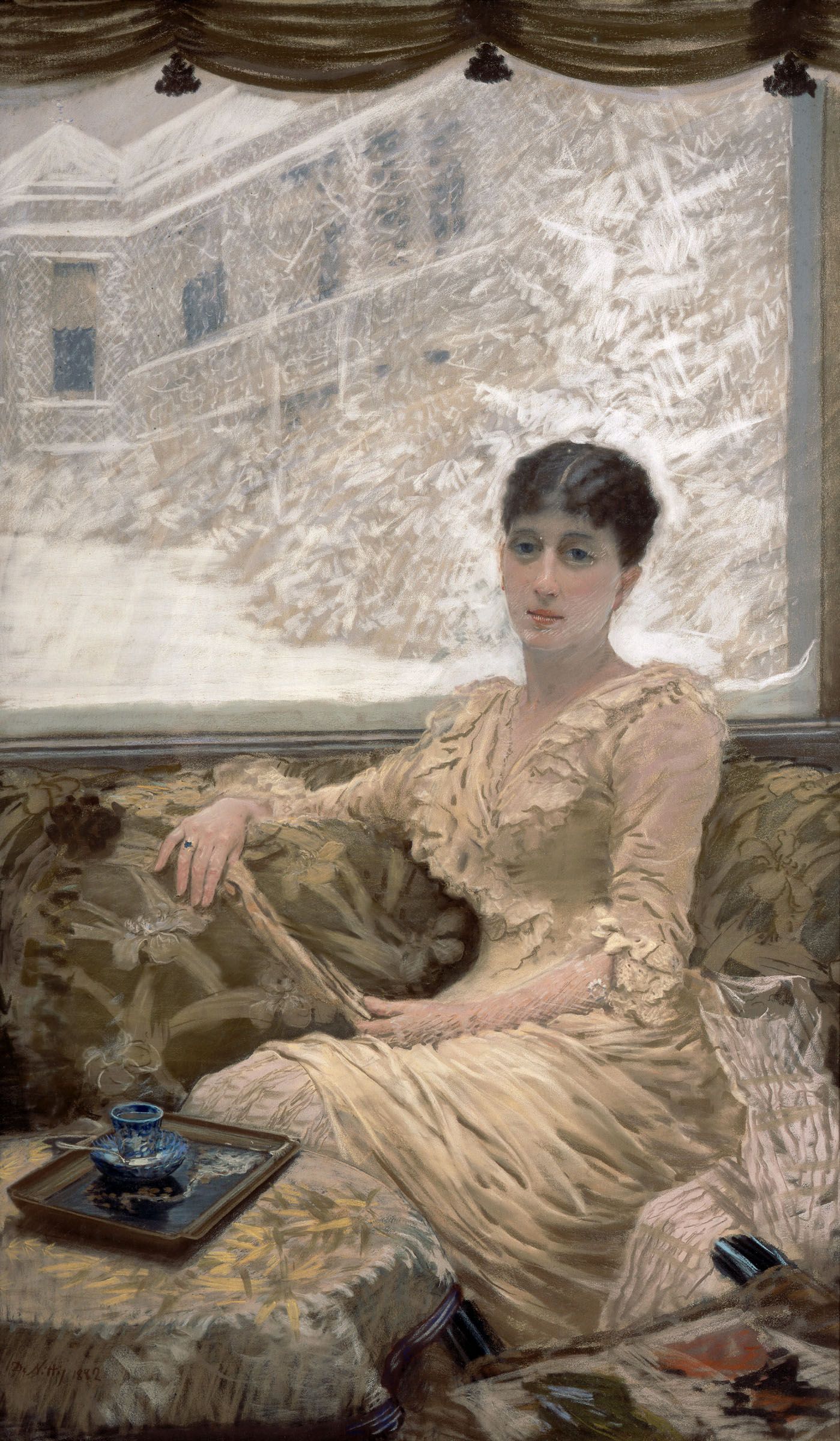
This essay brings together Giuseppe De Nittis’s Giornata d’inverno. Ritratto della signora De Nittis of 1882 and James McNeill Whistler’s Symphony in White, No. 2: The Little White Girl of 1864 as an accostamento: a juxtaposition of two works that share a contextual affinity. They are separated by nearly two decades. Yet Edmond de Goncourt’sContinue reading “Two Women in White: Whistler’s Symphony in White, No. 2 and De Nittis’s Giornata d’inverno”
Joseph Rebell (1787–1828): Observed Nature and Romantic Imagination
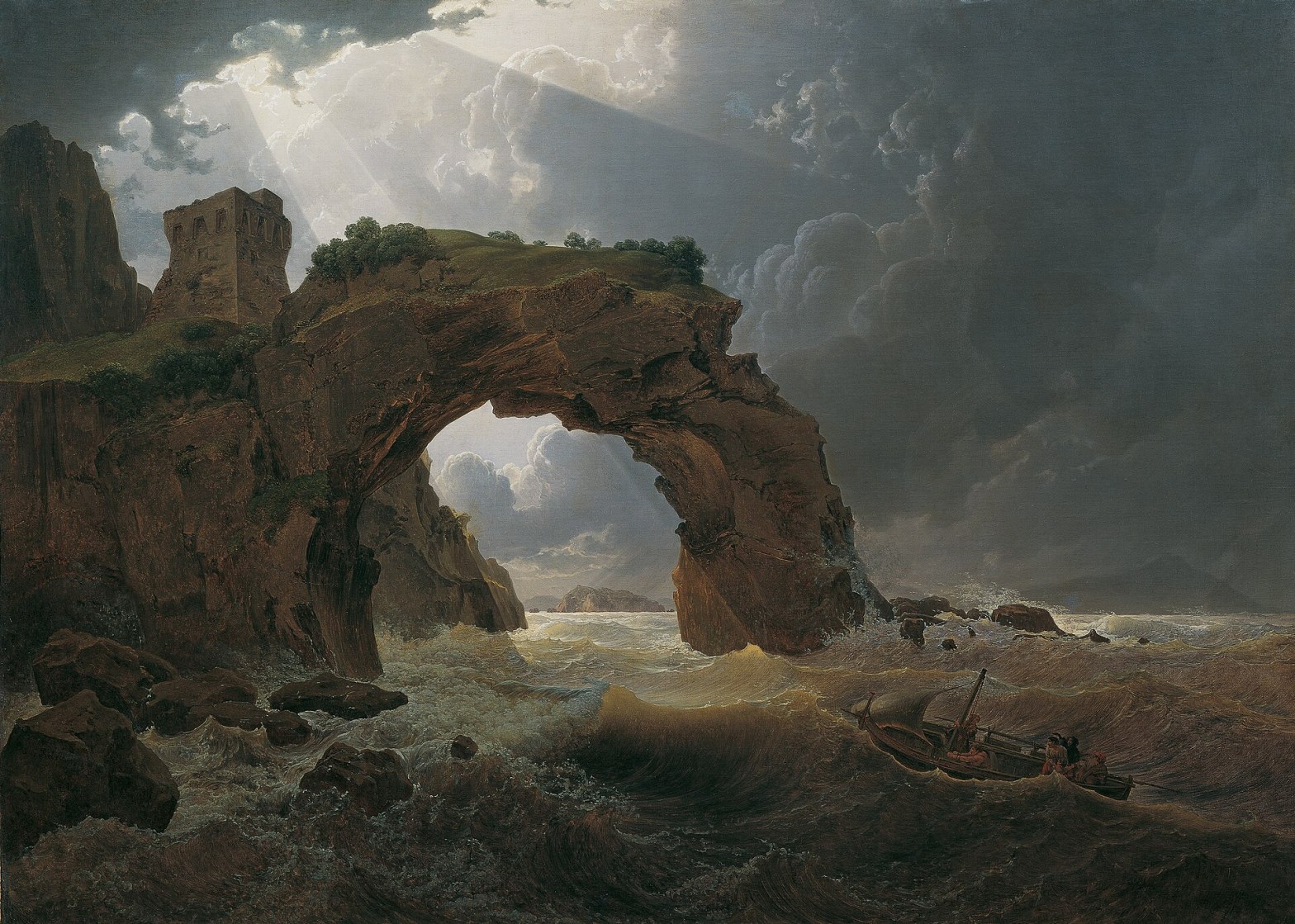
Joseph Rebell’s Neapolitan landscapes range from carefully observed views of royal residences and coastal sites to more dramatic paintings of storms, shipwrecks and volcanic light. The three works considered here belong to this second group: Mareggiata al Fusaro of 1819, Burrasca al chiaro di luna nel Golfo di Napoli of 1822 and Burrasca al tramontoContinue reading “Joseph Rebell (1787–1828): Observed Nature and Romantic Imagination”
Johan Christian Dahl (1788–1857): Two Landscapes through Windows
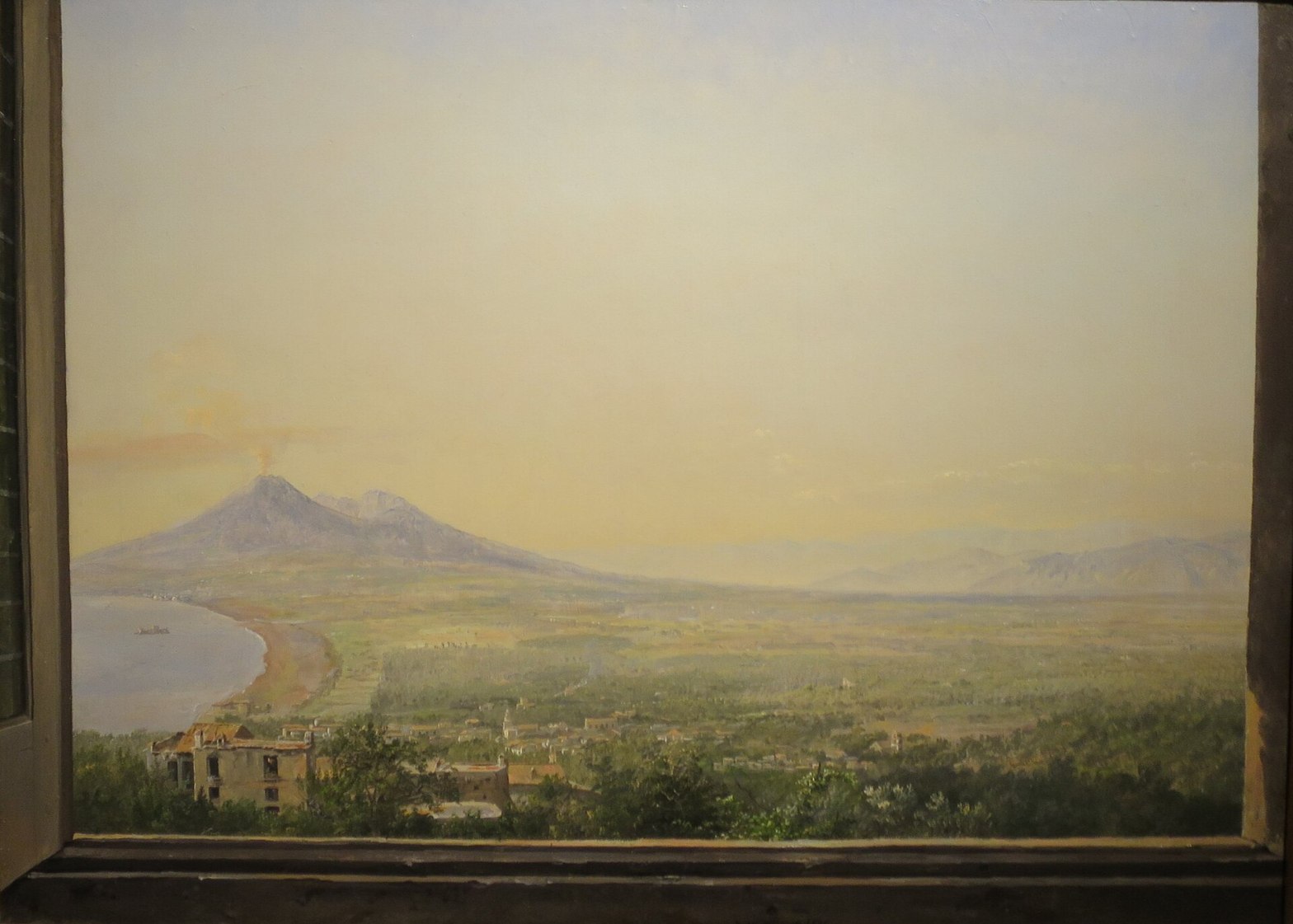
“The eye must be opened to the true and wondrous life of nature, and the hand must be trained to do the soul’s bidding quickly, easily, and beautifully. This alone can be the aim of instruction in any of the pictorial arts.” Carl Gustav Carus, Nine Letters on Landscape Painting, Letter VIII. Johan Christian Dahl’sContinue reading “Johan Christian Dahl (1788–1857): Two Landscapes through Windows”

