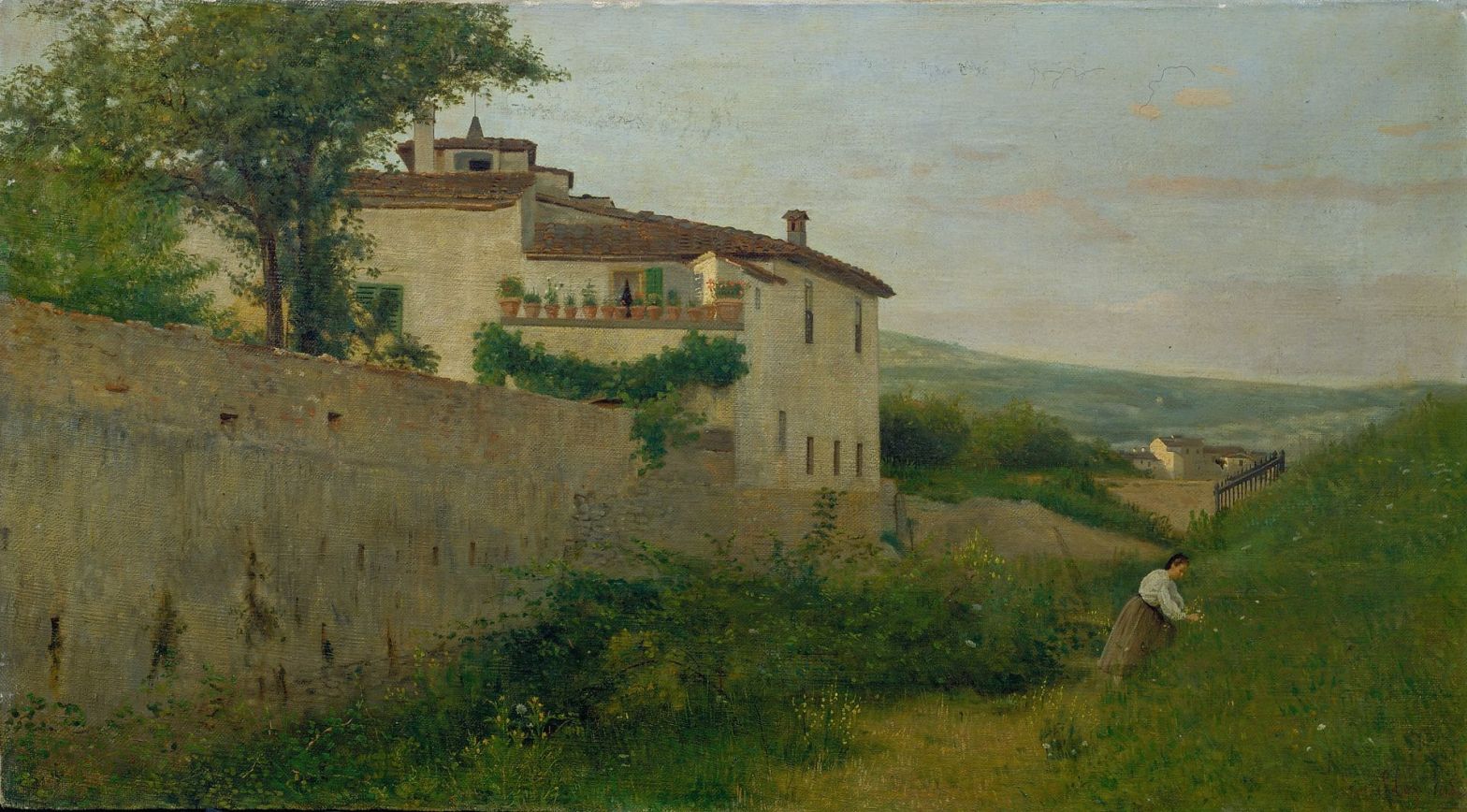
Florence, the Macchiaioli and the problem of belonging Silvestro Lega belongs securely to the history of the Macchiaioli, but not quite comfortably to any shorthand definition of them. That is partly because the Macchiaioli themselves were never a school in the strict sense. They were a loose and sometimes fractious constellation of painters, critics andContinue reading “Silvestro Lega: Places, People and Ways of Painting”
Tag Archives: travel
Salvator Rosa: Portraits, Self-Portraits and the Construction of Artistic Identity
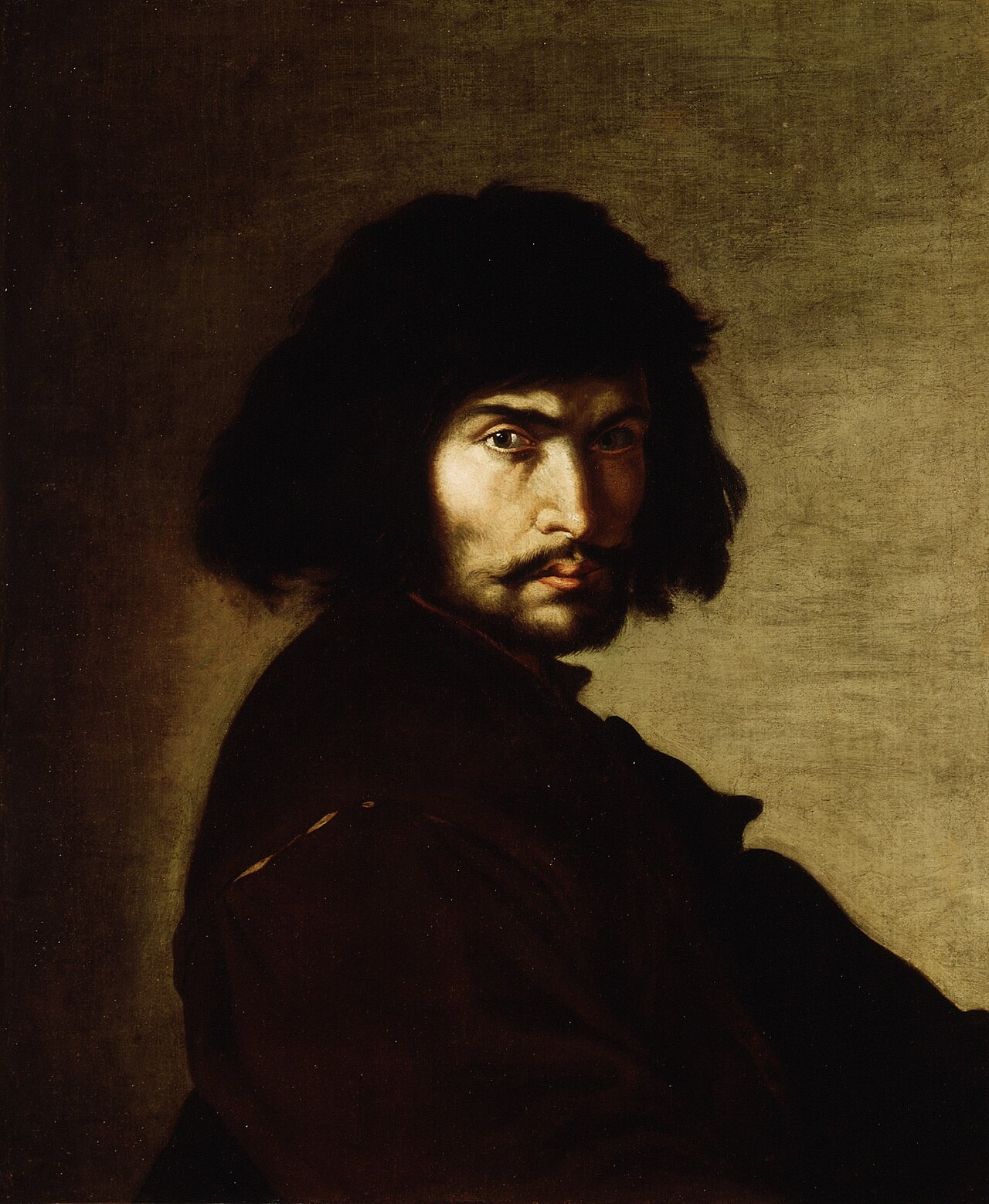
Portraiture occupies an unusual place within the work of Salvator Rosa (1615–1673). Although celebrated by his contemporaries for landscapes, battle scenes and increasingly ambitious history paintings, he repeatedly returned to images of the individual figure, producing portraits of remarkable variety and psychological intensity. Some are straightforward likenesses, others adopt theatrical or philosophical roles, while stillContinue reading “Salvator Rosa: Portraits, Self-Portraits and the Construction of Artistic Identity”
“Lost in Like but Separate Dreams”: Tullio Lombardo’s Double Portrait and Bacchus and Ariadne
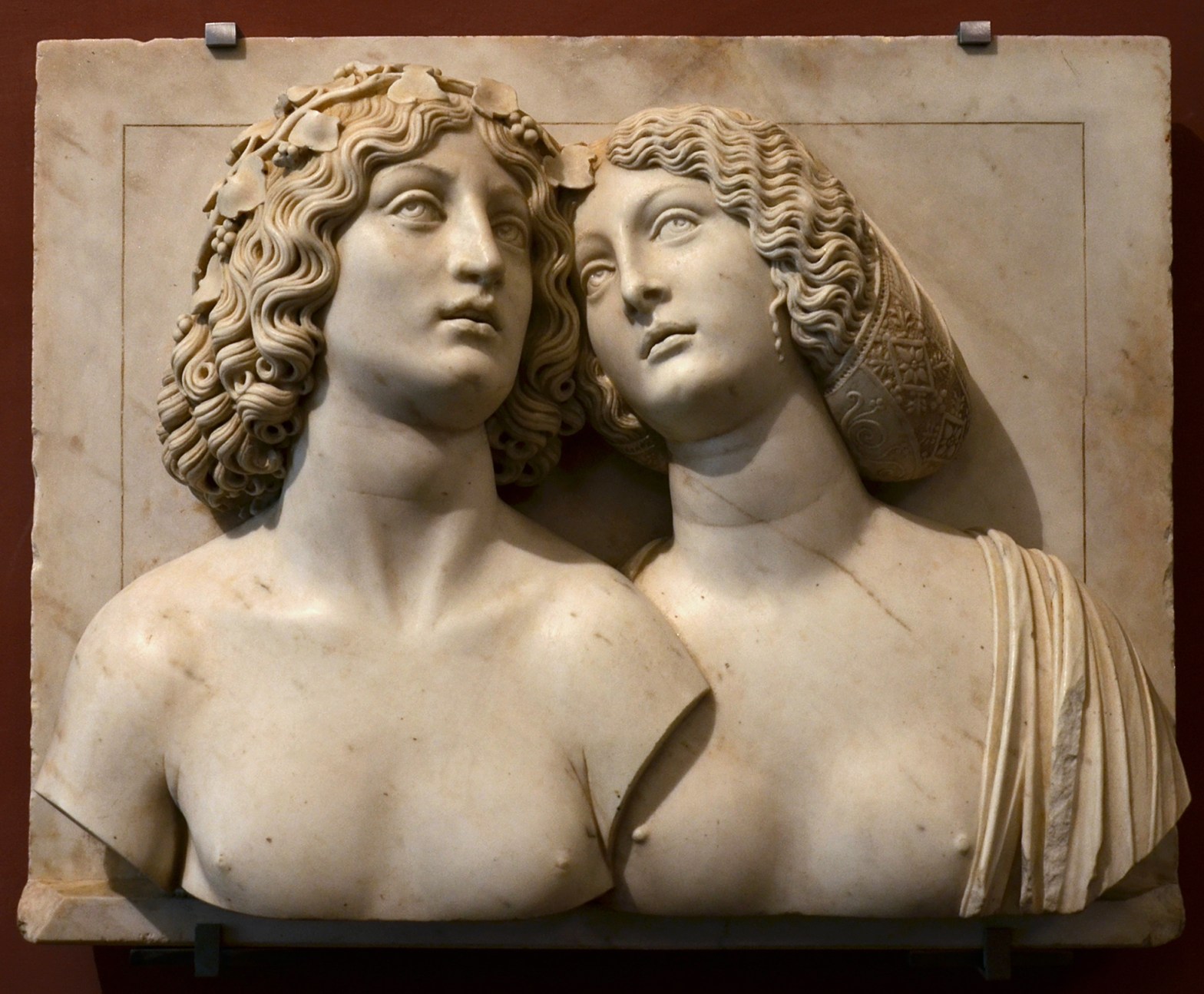
Tullio Lombardo, born around the middle of the fifteenth century and active until his death in Venice in 1532, belonged to one of the leading family workshops of sculptors and architects in Renaissance Venice. He trained and worked alongside his father, Pietro Lombardo, and his younger brother Antonio, contributing to major architectural and funerary commissionsContinue reading ““Lost in Like but Separate Dreams”: Tullio Lombardo’s Double Portrait and Bacchus and Ariadne”
Two Women in White: Whistler’s Symphony in White, No. 2 and De Nittis’s Giornata d’inverno
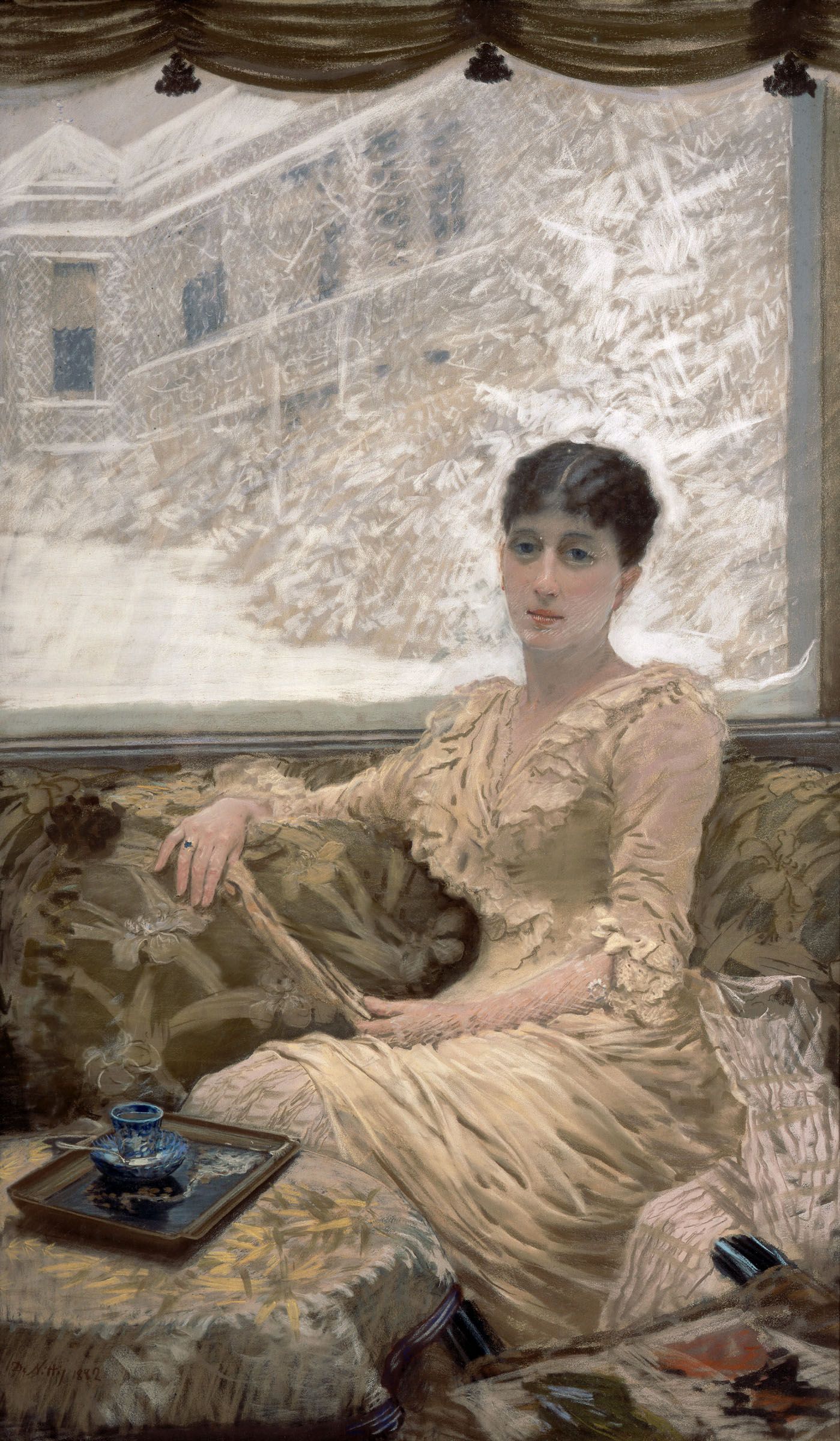
This essay brings together Giuseppe De Nittis’s Giornata d’inverno. Ritratto della signora De Nittis of 1882 and James McNeill Whistler’s Symphony in White, No. 2: The Little White Girl of 1864 as an accostamento: a juxtaposition of two works that share a contextual affinity. They are separated by nearly two decades. Yet Edmond de Goncourt’sContinue reading “Two Women in White: Whistler’s Symphony in White, No. 2 and De Nittis’s Giornata d’inverno”
Johan Christian Dahl (1788–1857): Two Landscapes through Windows
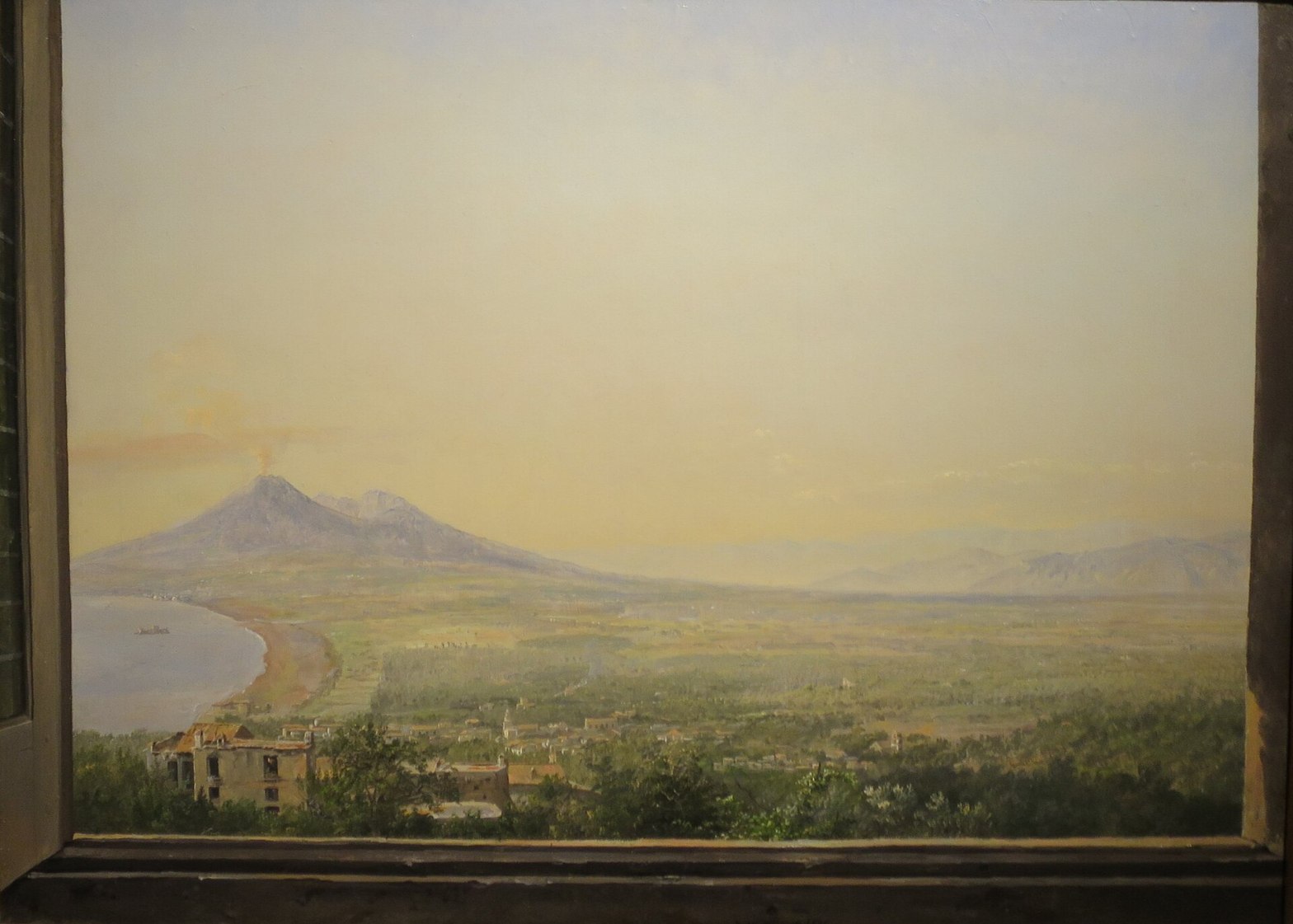
“The eye must be opened to the true and wondrous life of nature, and the hand must be trained to do the soul’s bidding quickly, easily, and beautifully. This alone can be the aim of instruction in any of the pictorial arts.” Carl Gustav Carus, Nine Letters on Landscape Painting, Letter VIII. Johan Christian Dahl’sContinue reading “Johan Christian Dahl (1788–1857): Two Landscapes through Windows”
Luca Giordano (1634–1705) at the Casón del Buen Retiro: The Alegoría del Toisón de Oro and the Last Habsburg Court
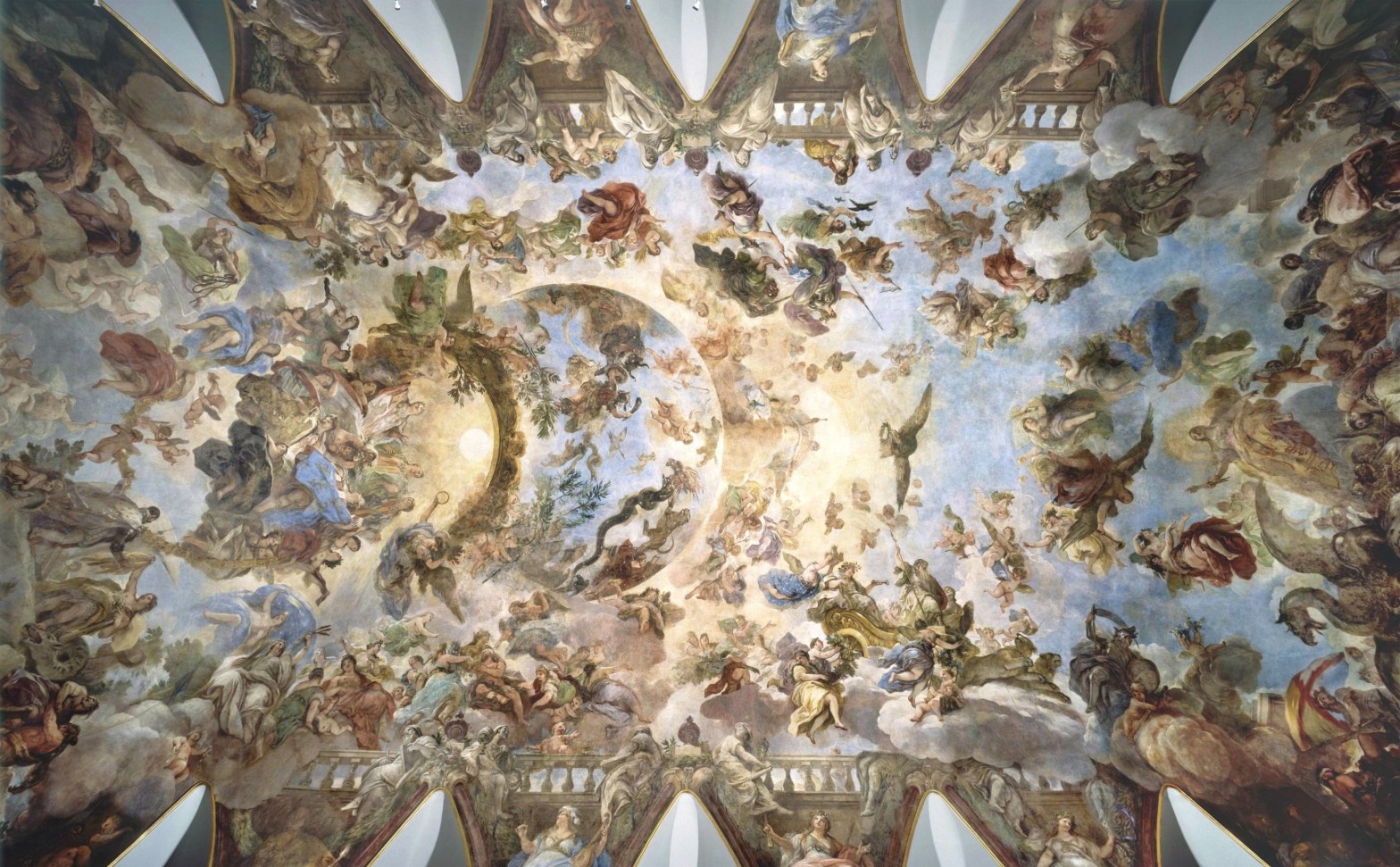
Luca Giordano was born in Naples on 18 October 1634, the son of Antonio Giordano and Isabella Imparato. According to Maria Giovanna Sarti, his father was a picture dealer of Puglian origin and also a modest painter, and seems to have introduced him early to the practical world of painting. Although the sources report anContinue reading “Luca Giordano (1634–1705) at the Casón del Buen Retiro: The Alegoría del Toisón de Oro and the Last Habsburg Court”
Giovanni Andrea Donducci, detto il Mastelletta (1575–1655): Sacred Stories, Private Pictures and Imagined Landscapes
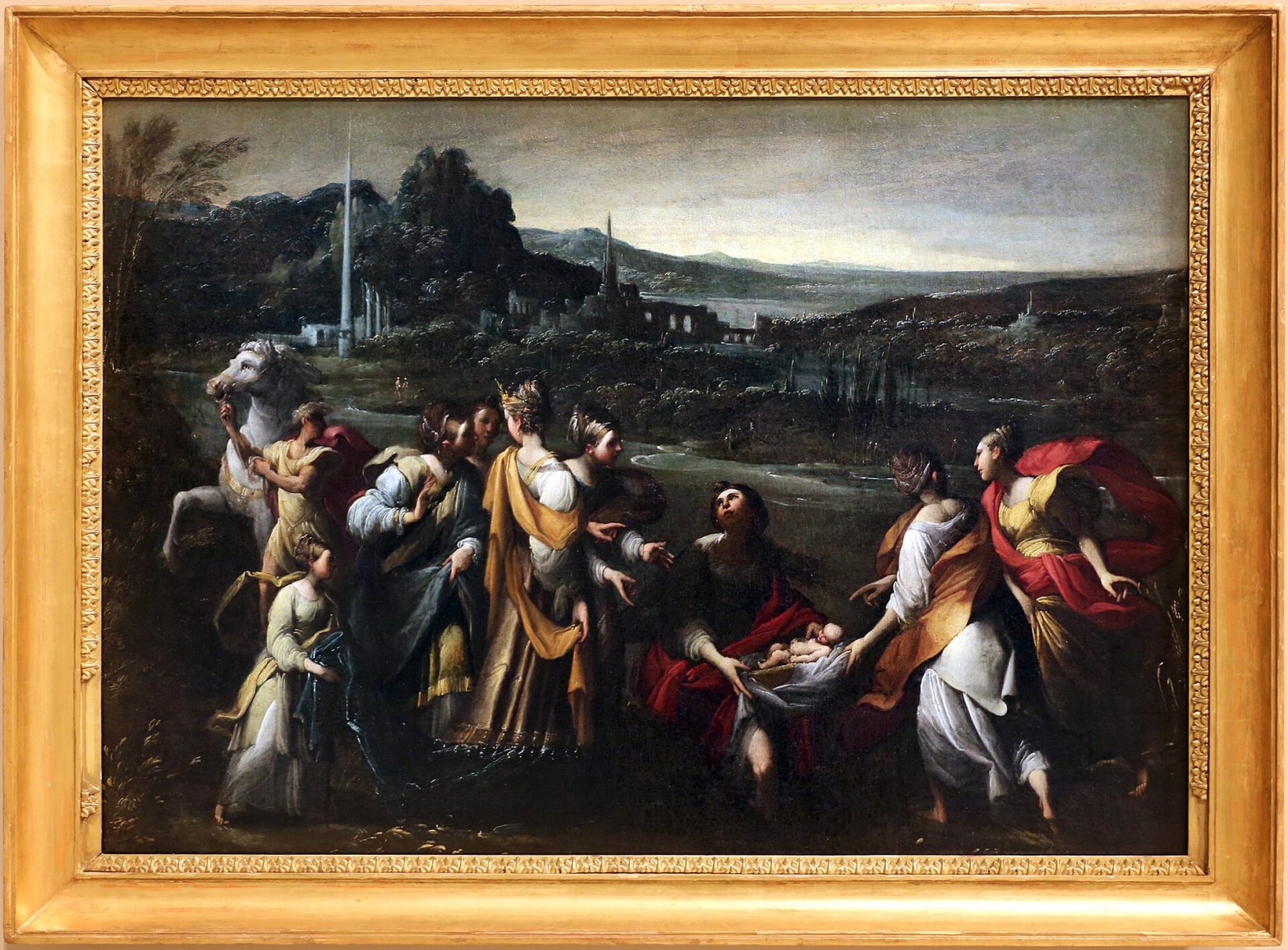
Giovanni Andrea Donducci, detto il Mastelletta Giovanni Andrea Donducci, called il Mastelletta, was born in Bologna in 1575 and died there in 1655. His career belongs to one of the most crowded and difficult moments in Bolognese painting: the period after the Carracci reform, when the city’s painters were working under the shadow of Ludovico,Continue reading “Giovanni Andrea Donducci, detto il Mastelletta (1575–1655): Sacred Stories, Private Pictures and Imagined Landscapes”
Giacomo Balla: From Divisionism to the Futurist Universe (Part One, Divisionism and the Photographic Real)
A note on images For reasons of copyright, I have not reproduced most of the works discussed in the text. Instead, each article is followed by a short gallery of selected works, with links to museum, collection or institutional pages where images can be viewed. Other works mentioned in the essay may also be foundContinue reading “Giacomo Balla: From Divisionism to the Futurist Universe (Part One, Divisionism and the Photographic Real)”
Giacomo Balla: From Divisionism to the Futurist Universe (Part Four, Futurism Beyond the Easel)
The frame, the easel, the room Balla’s Futurism did not move beyond the easel in a single leap. It first strained against the picture itself. In the works of speed, force-lines and iridescent interpenetration, the image no longer behaves like a stable view placed before the spectator. It presses against the limits of the support,Continue reading “Giacomo Balla: From Divisionism to the Futurist Universe (Part Four, Futurism Beyond the Easel)”
Tradition and Transformation: Velázquez’s Las Hilanderas / The Spinners / The Fable of Arachne (c. 1655–60).
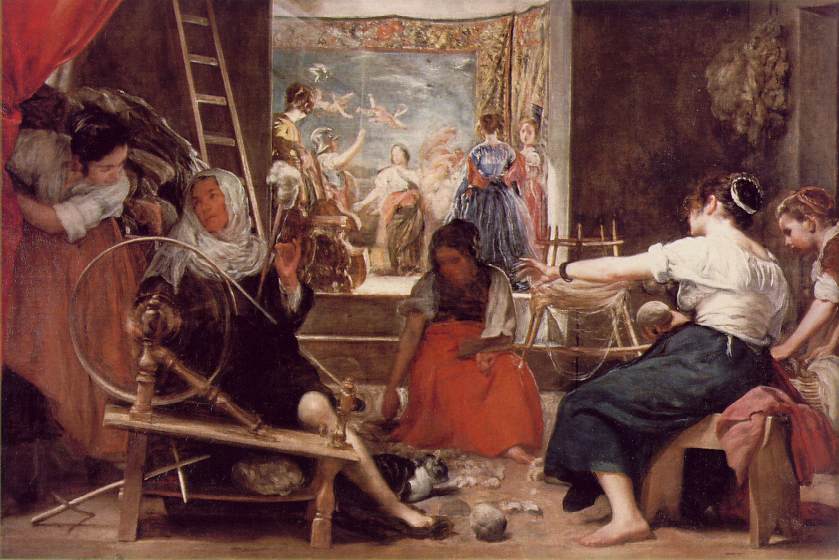
Diego Velázquez, Las Hilanderas (The Spinners, or The Fable of Arachne), c. 1657–58, oil on canvas, Museo Nacional del Prado, Madrid. (Credit: Wikipedia). « Ce qui m’a le plus ravi en Espagne, ce qui, à lui seul, vaut le voyage, c’est l’œuvre de Vélasquez. C’est le peintre des peintres ; je n’ai, cependant, été nullementContinue reading “Tradition and Transformation: Velázquez’s Las Hilanderas / The Spinners / The Fable of Arachne (c. 1655–60).”

