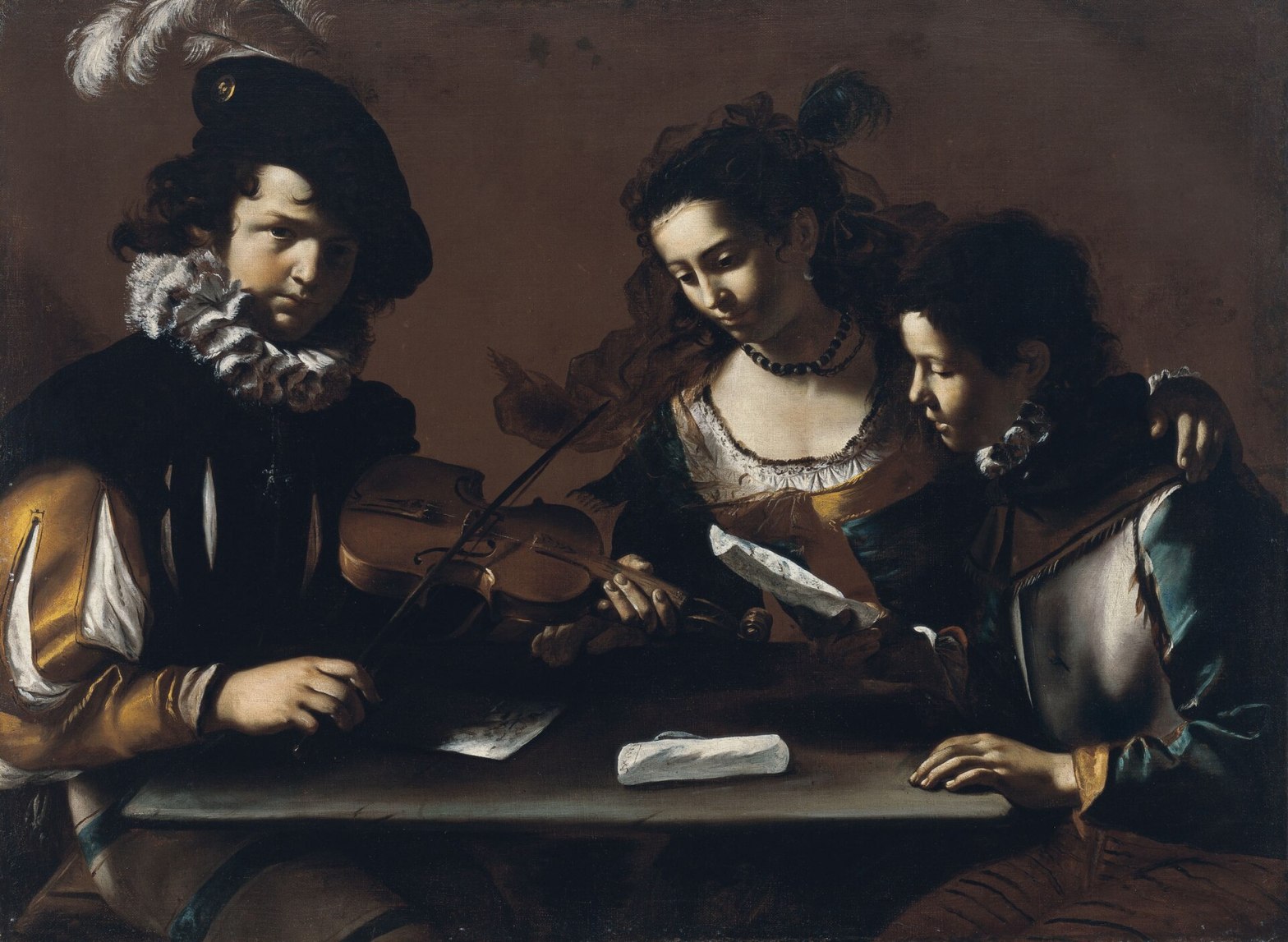
Three secular paintings by Mattia Preti, all generally assigned to his early Roman career in the first half of the 1630s, form a closely related group. Both A Concert, c. 1630–35, now in the Museo Nacional Thyssen-Bornemisza, Madrid, and the Concert in the State Hermitage Museum, St Petersburg, generally dated to the early or mid-1630s,Continue reading “Games, Music and Light: Mattia Preti in Rome”
Tag Archives: Caravaggism
Cecco del Caravaggio: the rejected Resurrection
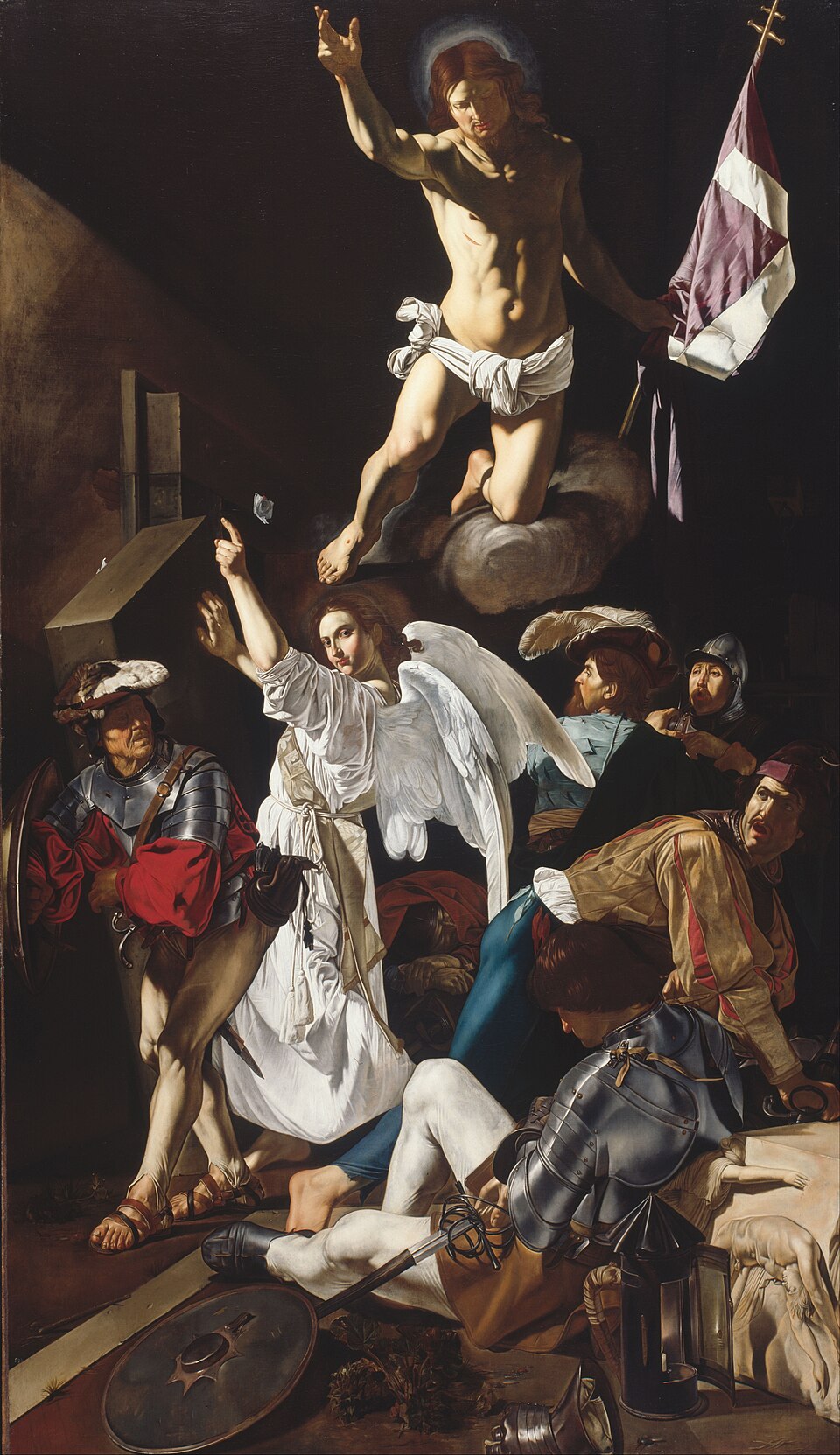
Cecco del Caravaggio remains one of the most elusive figures in the immediate wake of Caravaggio. He is usually identified with Francesco Boneri, or Buoneri, probably from Bergamo, and is repeatedly described as a painter unusually close to Caravaggio, perhaps even active around him as a model. The documents remain sparse, and the name itselfContinue reading “Cecco del Caravaggio: the rejected Resurrection”
Giovanni Antonio Galli, known as Lo Spadarino: L’angelo custode and Convito degli dei
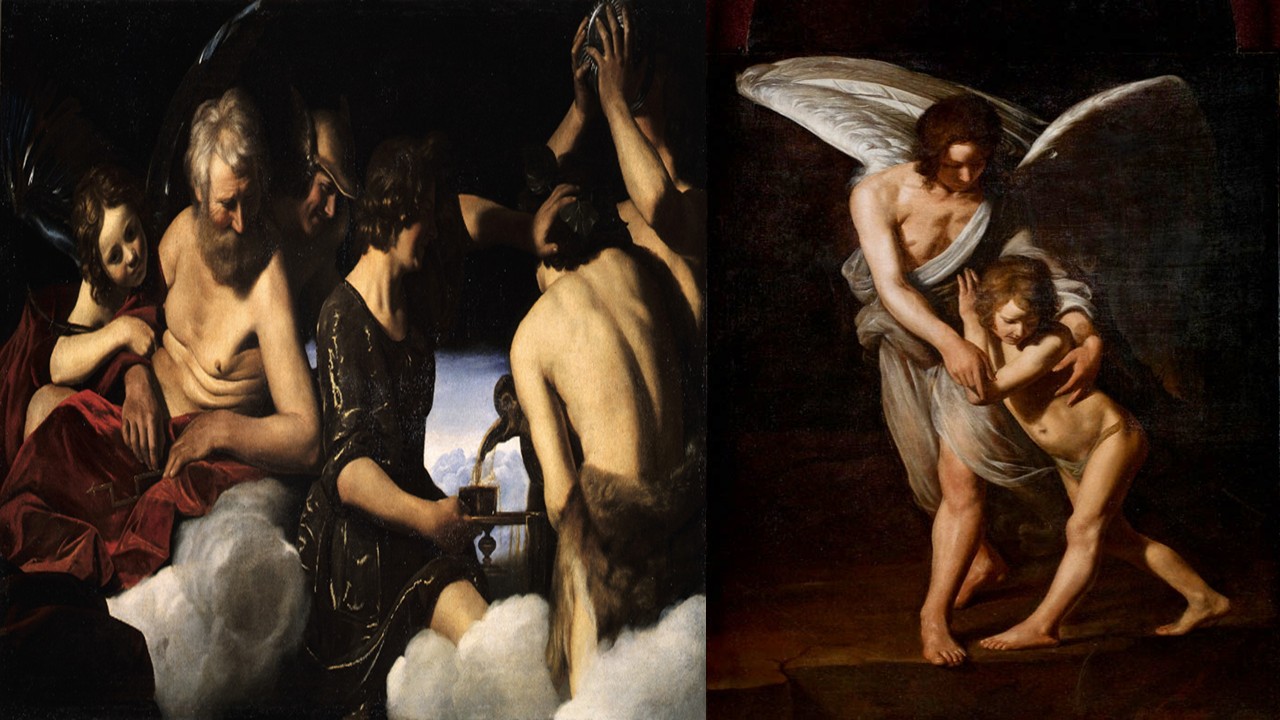
Overview The contemporary understanding of Giovanni Antonio Galli, known as lo Spadarino (Rome, 1585–1652), has been hard-won. His biography is fragmentary, his corpus remains uncertain, and much of the scholarship depends on close documentary and stylistic work. Rather than attempt a full reconstruction, this article begins from the more stable parts of the record, beforeContinue reading “Giovanni Antonio Galli, known as Lo Spadarino: L’angelo custode and Convito degli dei”
Battistello Caracciolo: Painting after Caravaggio in Naples (Part 1).
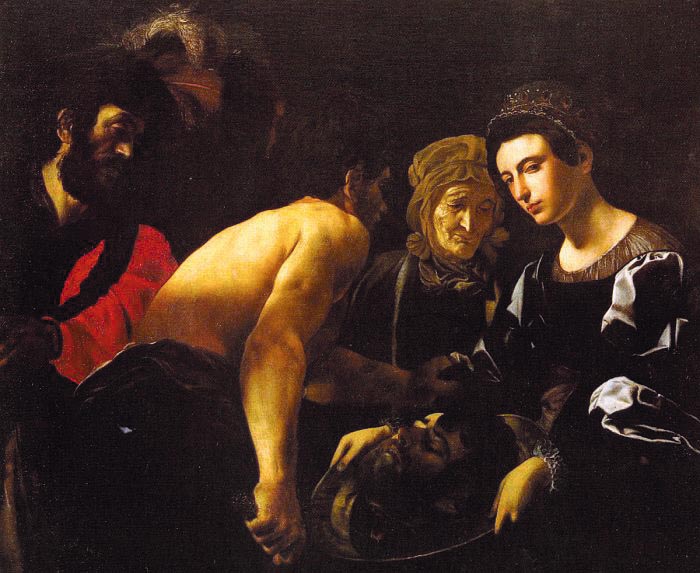
Part One: Caravaggio, Naples, and the First Inheritance Overview Giovanni Battista Caracciolo, known as Battistello, was born in Naples in 1578 and died there in December 1635. In 1598 he married Beatrice di Mario da Gaeta, with whom he had a large family, and by the beginning of the new century he was already activeContinue reading “Battistello Caracciolo: Painting after Caravaggio in Naples (Part 1).”
Battistello Caracciolo: Painting after Caravaggio in Naples (Part 2).
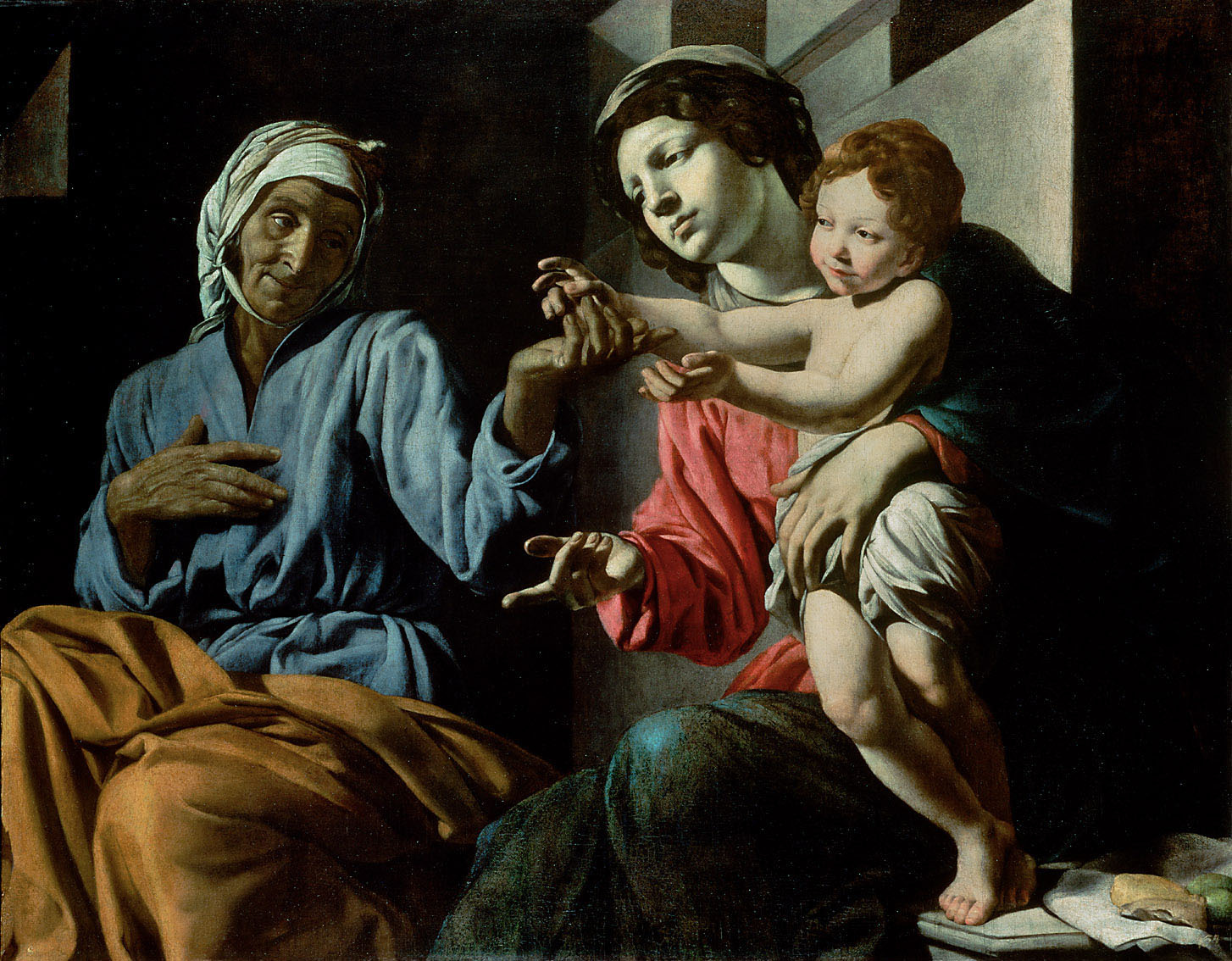
Part Two: Ribera, Lanfranco, and the Wider Neapolitan Field That darker current was associated above all with Ribera. His arrival in Naples around 1616 did not simply displace Caravaggio, but changed both the character and the reach of the local naturalist tradition. Causa’s distinction between the two painters is less a judgement of artistic greatnessContinue reading “Battistello Caracciolo: Painting after Caravaggio in Naples (Part 2).”
Battistello Caracciolo: Painting after Caravaggio in Naples (Part 3, Gallery).
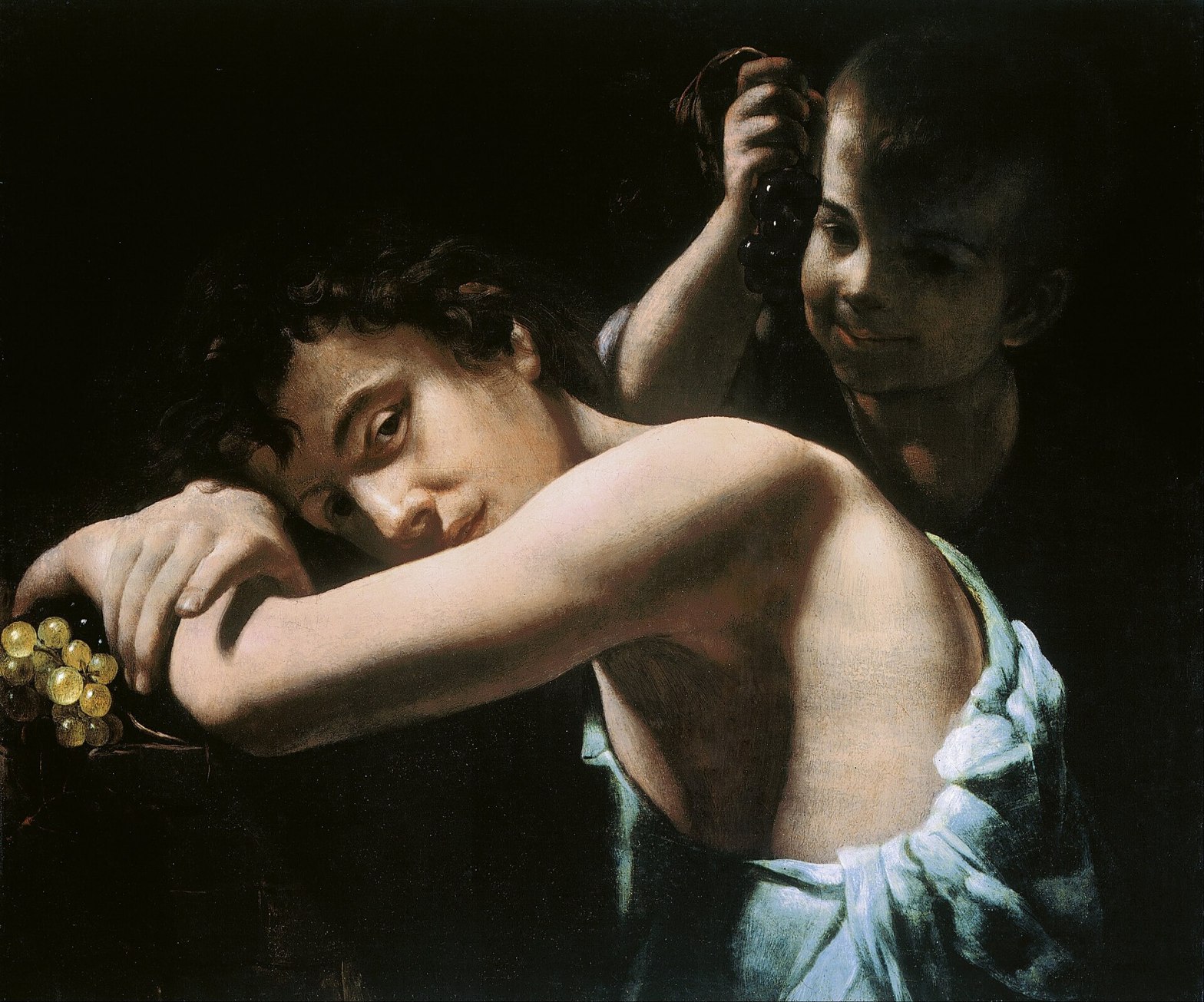
Part Three: Selected Works by Battistello Caracciolo Battistello Caracciolo, Due putti vendemmianti / Two youths with grapes, 1605–10; oil on poplar panel; 58.5 × 70.5 cm; Art Gallery of South Australia, Adelaide. Credit: Wikimedia Commons. Raffaello Causa first brought this small early panel to scholarly attention in 1950, when it belonged to the Moretti collectionContinue reading “Battistello Caracciolo: Painting after Caravaggio in Naples (Part 3, Gallery).”
 Inner Surfaces