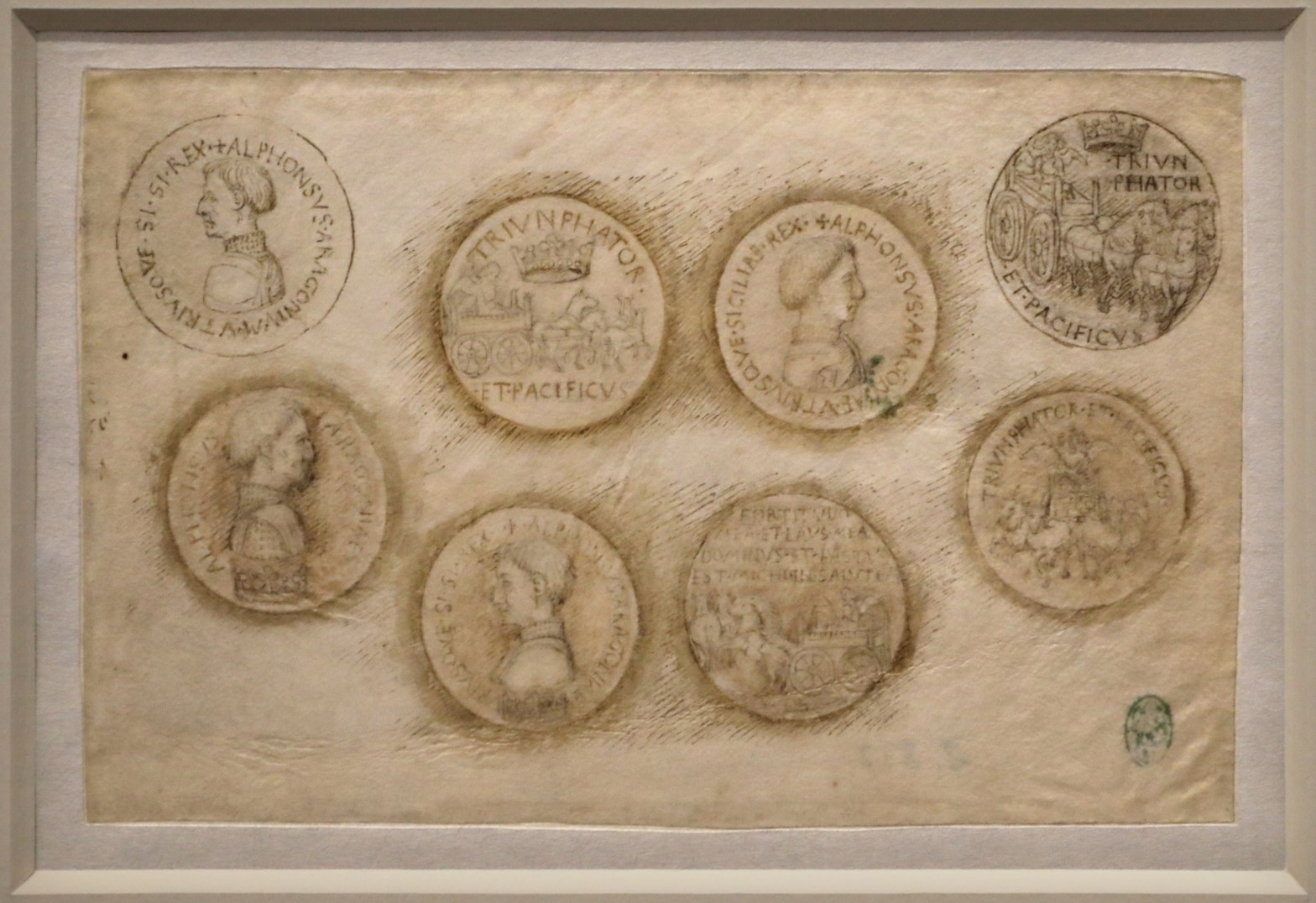
Pisanello, studies for the obverse and reverse of four medals of Alfonso V of Aragon, 1449. Pen and brown ink with ochre wash over metalpoint. Musée du Louvre, Paris, inv. 2317. Image: Wikimedia Commons / Musée du Louvre, Département des Arts Graphiques. The interior as a different kind of text The inscriptions on the exteriorContinue reading “Hidden in Plain Sight VI. Inside the Pontano Chapel”
Tag Archives: classical antiquity
Hidden in Plain Sight IV. The Pontano Chapel: The Authority of Inscription — Pontano and Renaissance Epigraphy
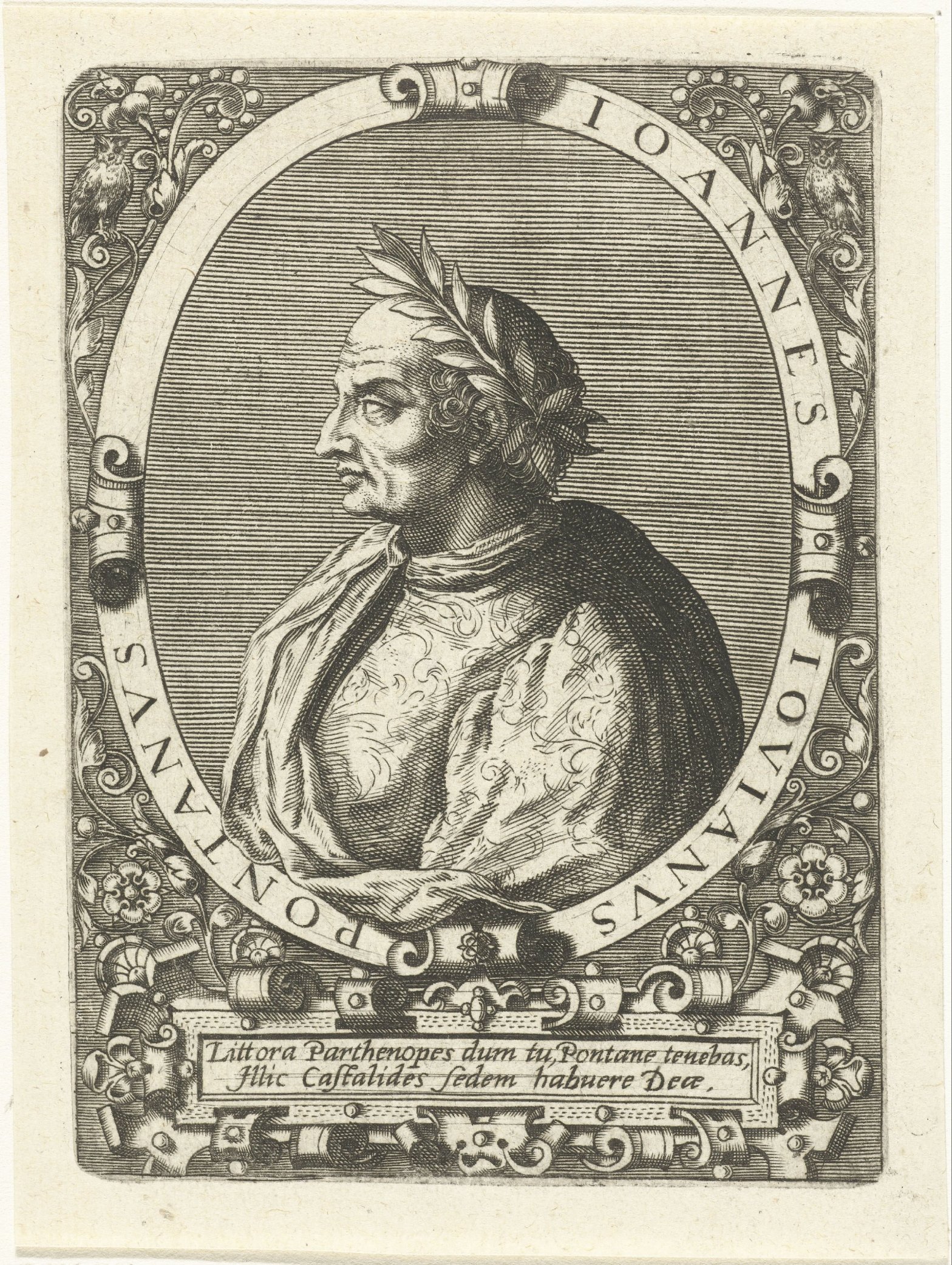
Theodor de Bry, Portrait of Giovanni Gioviano Pontano, c. 1597–99, engraving from Jean-Jacques Boissard, Icones virorum illustrium. Image credit: Rijksmuseum. The inscriptions of the Pontano Chapel cannot be understood fully from their words alone. To a Renaissance humanist, epigraphy carried associations with the recovery of antiquity, philological scholarship, education, social and intellectual distinction, and theContinue reading “Hidden in Plain Sight IV. The Pontano Chapel: The Authority of Inscription — Pontano and Renaissance Epigraphy”
Hidden in Plain Sight II. The Pontano Chapel: Aegidius, Memorial and the Later Pontano
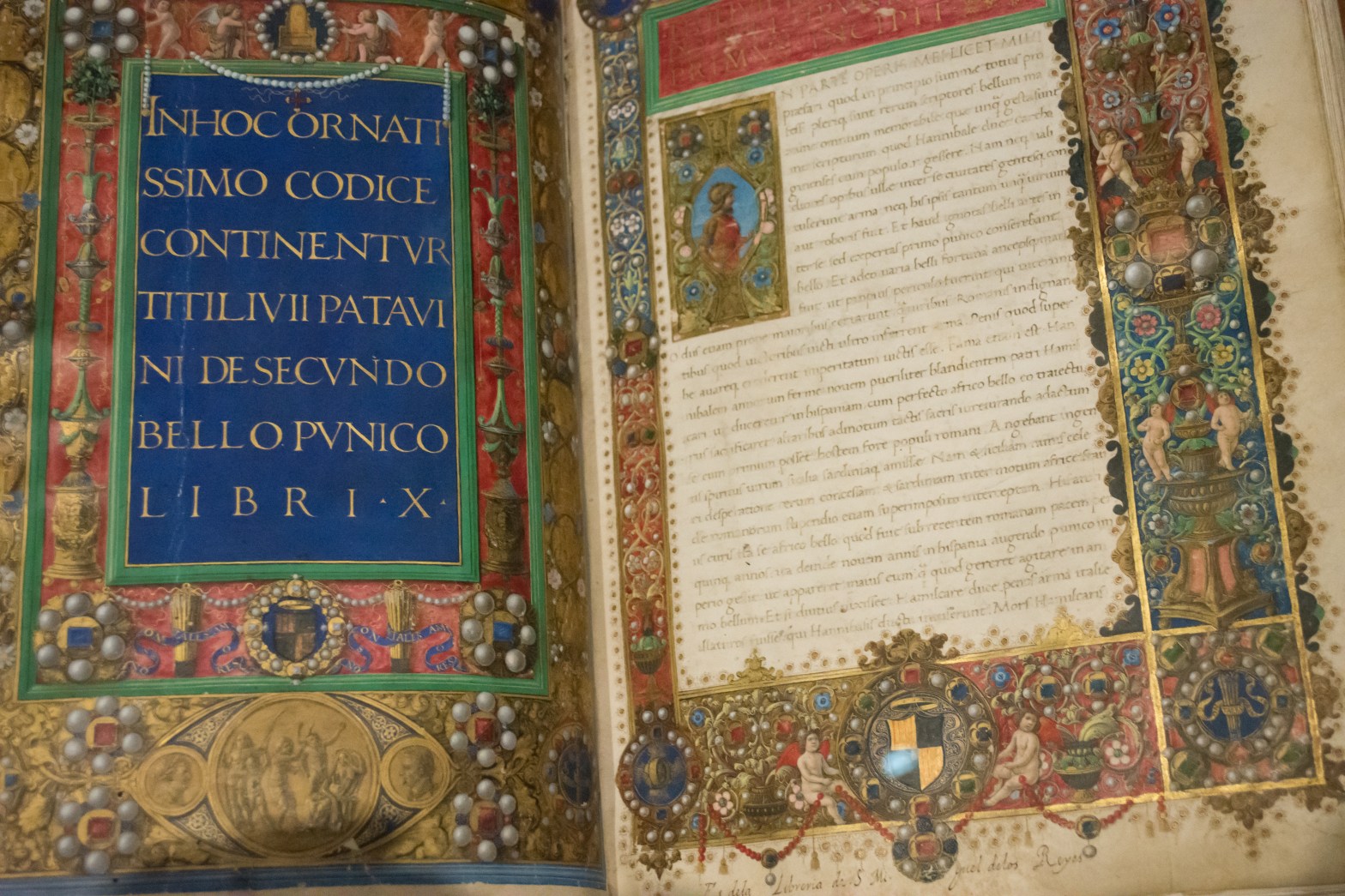
Written around 1501–3, during the last years of Giovanni Pontano’s life, the humanist dialogue Aegidius belongs to a period marked by an accumulating sense of loss. That process had begun more than a decade earlier with the death of his wife, Adriana Sassone, on 1 March 1490. Permission to construct the Pontano Chapel was grantedContinue reading “Hidden in Plain Sight II. The Pontano Chapel: Aegidius, Memorial and the Later Pontano”
“Lost in Like but Separate Dreams”: Tullio Lombardo’s Double Portrait and Bacchus and Ariadne
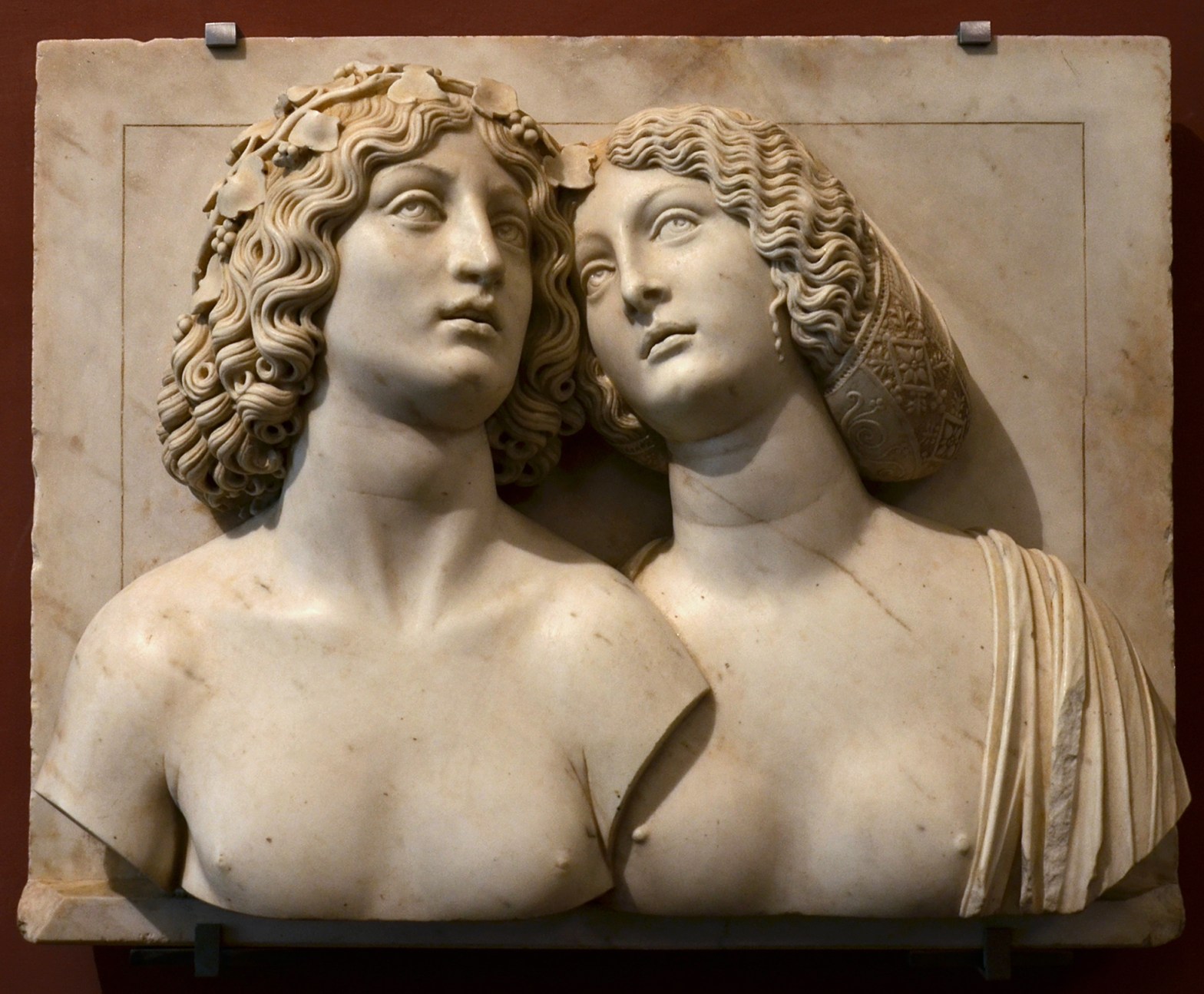
Tullio Lombardo, born around the middle of the fifteenth century and active until his death in Venice in 1532, belonged to one of the leading family workshops of sculptors and architects in Renaissance Venice. He trained and worked alongside his father, Pietro Lombardo, and his younger brother Antonio, contributing to major architectural and funerary commissionsContinue reading ““Lost in Like but Separate Dreams”: Tullio Lombardo’s Double Portrait and Bacchus and Ariadne”

