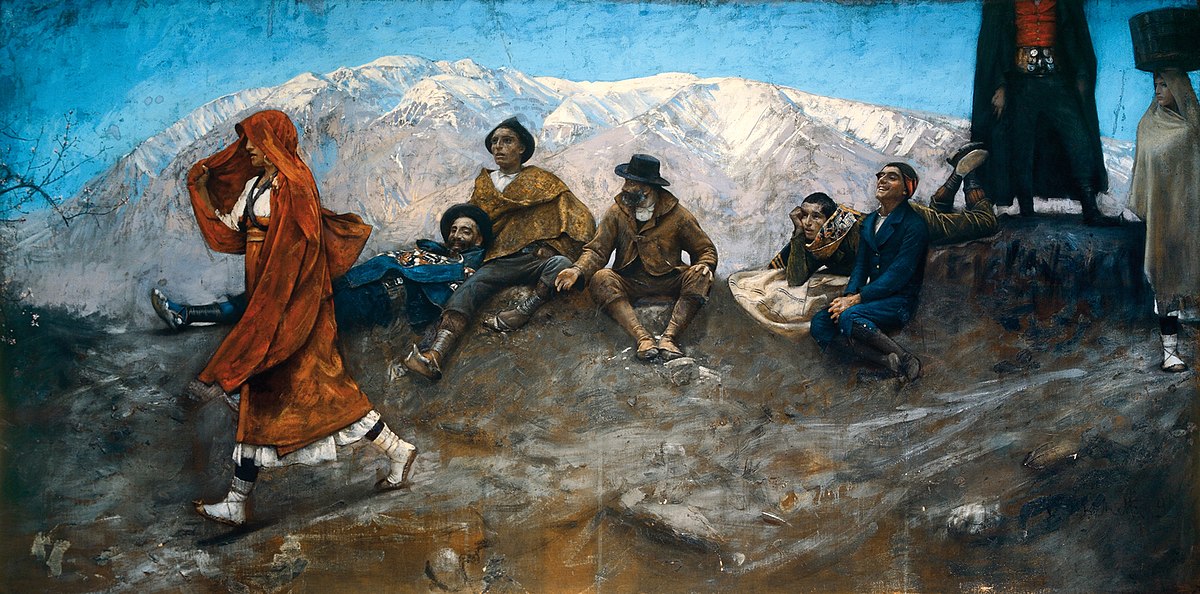
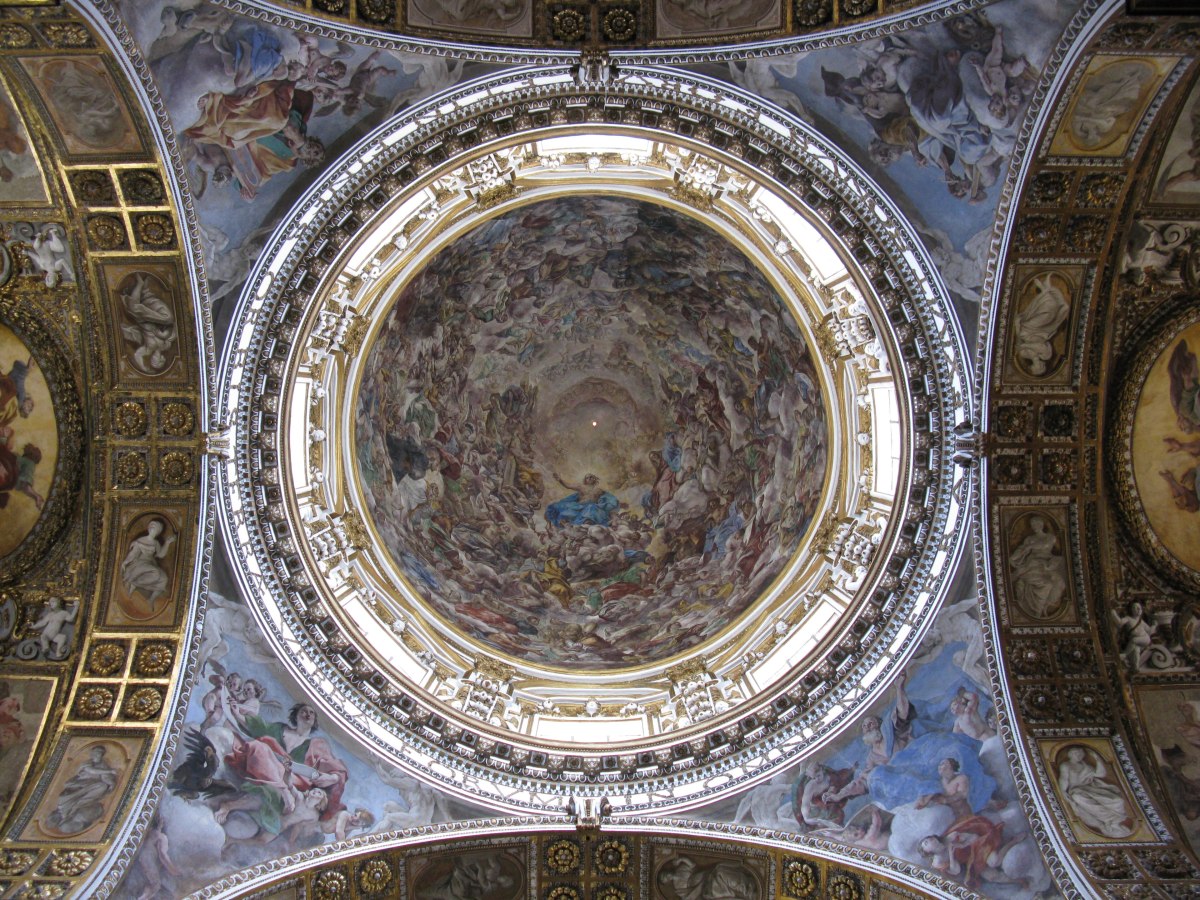
Giovanni Battista Beinaschi (1636–1688): Between Rome and Naples
From Piedmont to Rome Giovanni Battista Beinaschi was born in Fossano, Piedmont, in 1636. His earliest years are imperfectly documented, although Bernardo de’ Dominici, writing in the eighteenth century, records that he initially studied with the portraitist known as Monsù Esprit Grandjean, who was active in Turin during the 1640s. According to the same biographer,…
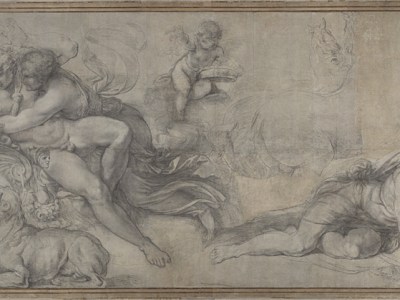
Agostino Carracci: Drawing and Invention
Agostino and the Carracci Agostino Carracci (1557–1602) belonged to one of the most influential artistic families of late sixteenth-century Italy. Together with his younger brother Annibale (1560–1609) and their cousin Ludovico (1555–1619), he participated in the renewal of Bolognese painting that would have far-reaching consequences for Italian art. The three artists shared a commitment to…
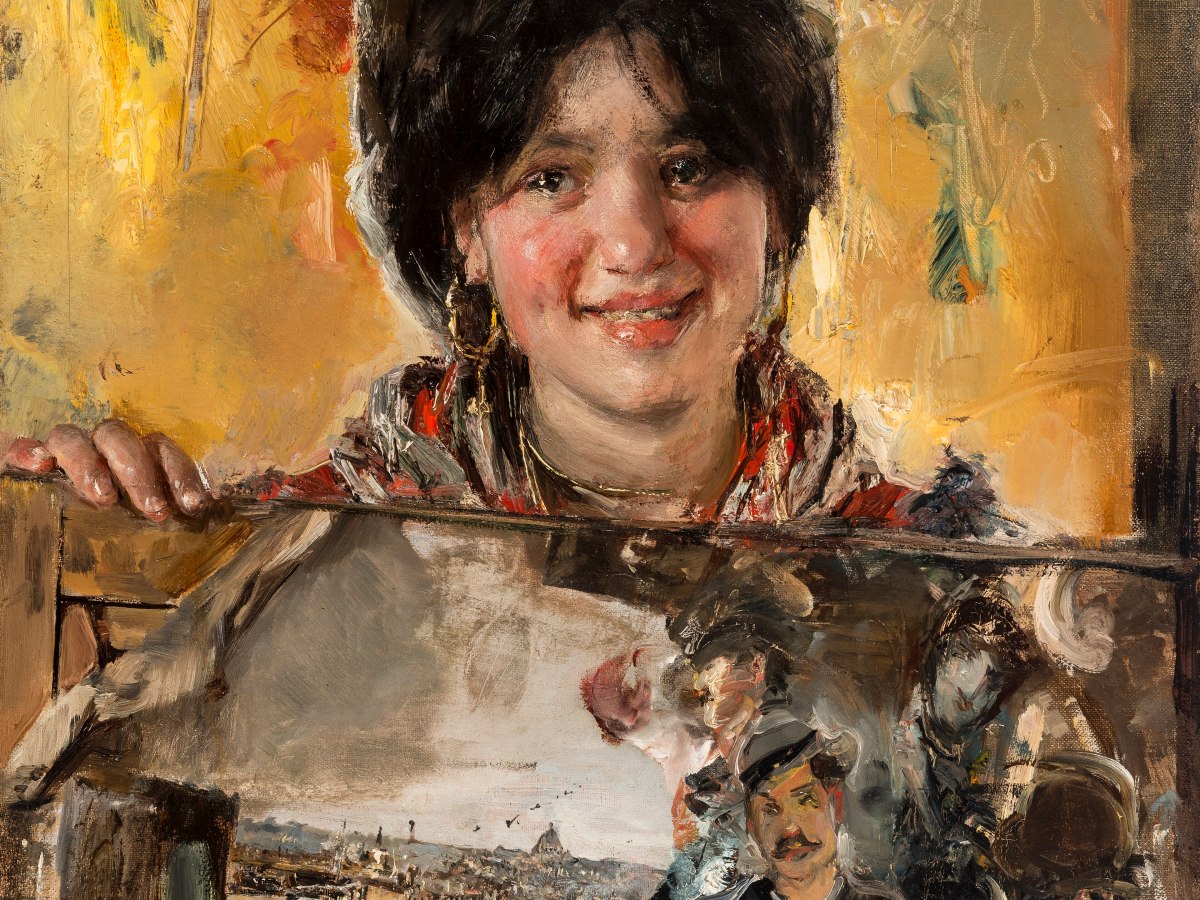
Antonio Mancini: A Painter’s World
Antonio Mancini (1852–1930) was celebrated during his lifetime for the extraordinary vitality of his painting, his command of colour and light, and the unconventional methods through which he achieved his effects. His reputation rested initially upon the paintings of Neapolitan street children, the scugnizzi, and young performers, among them the much-depicted Luigiello. Later, his portraits…
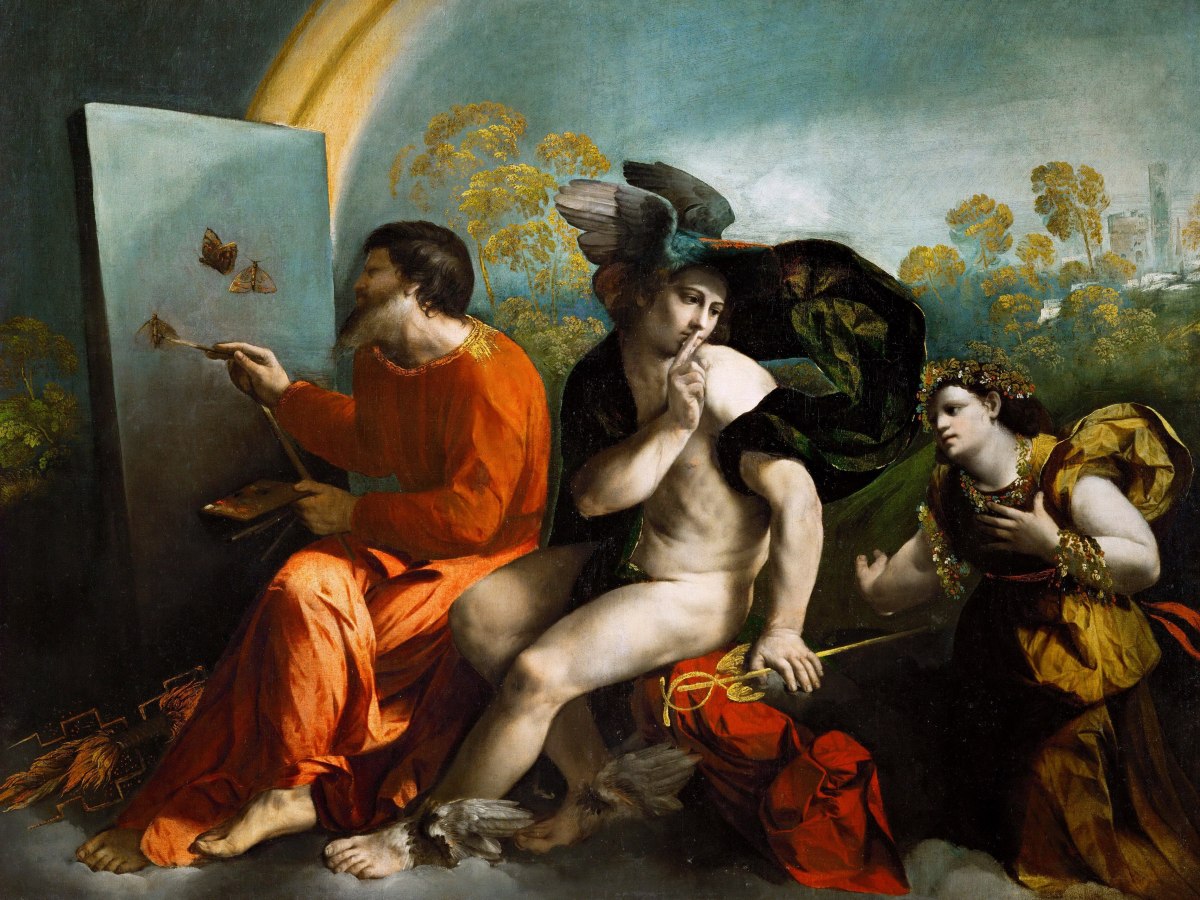
Dosso Dossi’s ‘Jupiter Painting Butterflies’: Painting, Otium and Princely Identity
Alberti, Lucian and the Transformation of a Story Dosso Dossi’s painting begins with an improbable occupation for the ruler of the gods. Jupiter sits before an easel, palette, brushes and mahlstick in hand, while butterflies appear on the blue surface before him. His thunderbolts lie unused at his feet. Mercury, seated beside him on the…
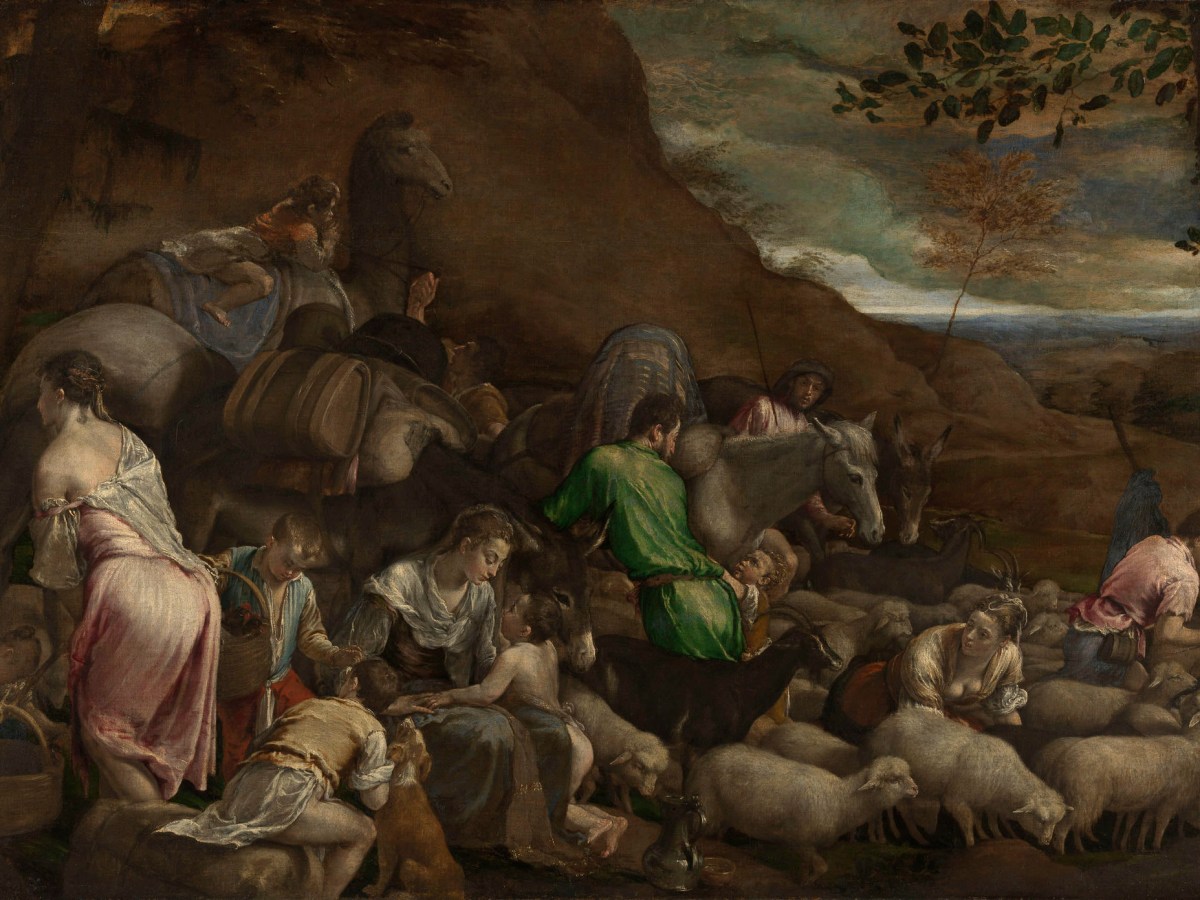
Jacopo Bassano’s Progress: Some Representative Works
Bassano outside Venice: formation and first maturity Jacopo Bassano’s career was shaped by a productive tension between the Venetian artistic world and the provincial setting in which he chose to remain. Born into a family workshop in Bassano del Grappa, he trained first with his father, Francesco il Vecchio, and then, in the early 1530s,…
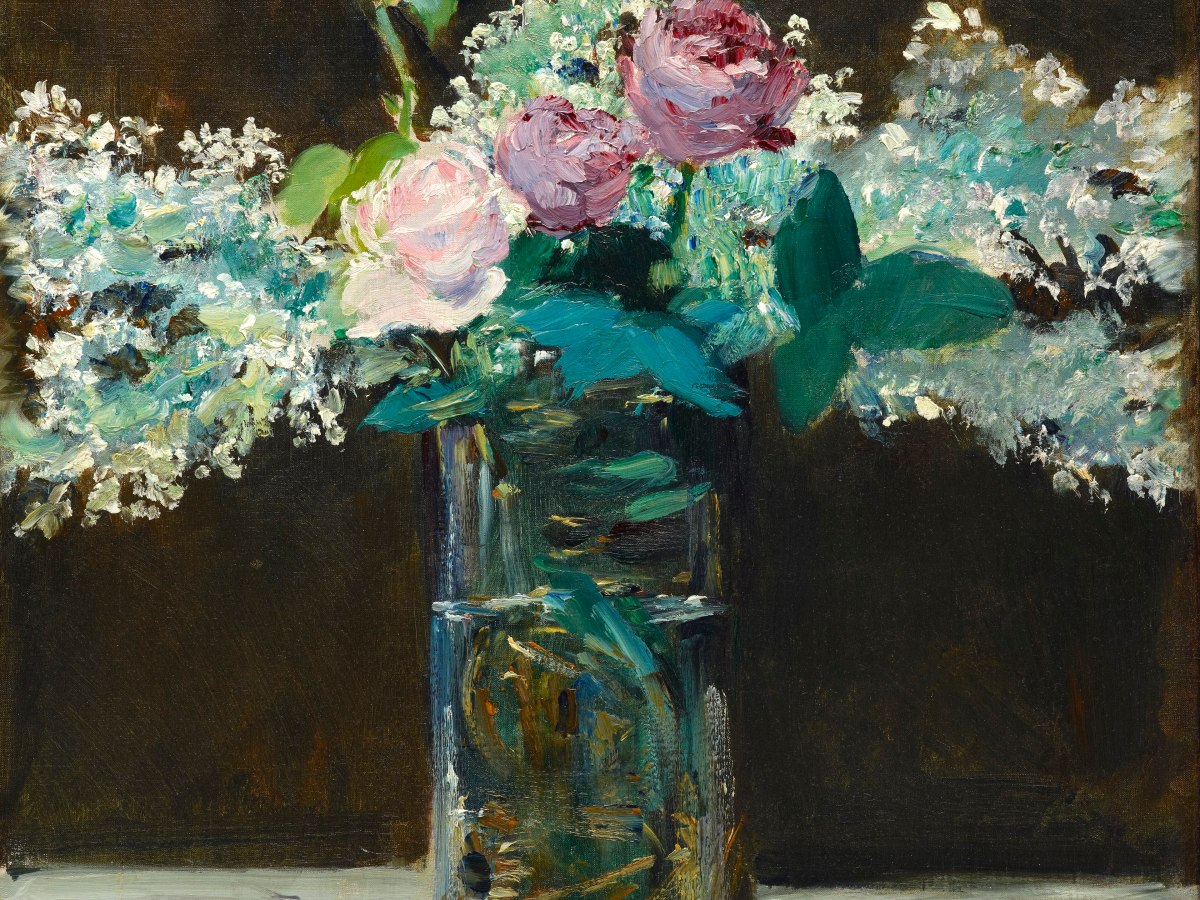
Manet and Still Life: The Last Flowers
Manet, Painter of Things Still life occupies a substantial place in Manet’s work. Henri Loyrette counts seventy-eight still lifes among the 430 paintings catalogued by Denis Rouart and Daniel Wildenstein, approaching a fifth of the total. The proportion is striking for an artist so closely associated with modern life and the human figure. Still-life objects…
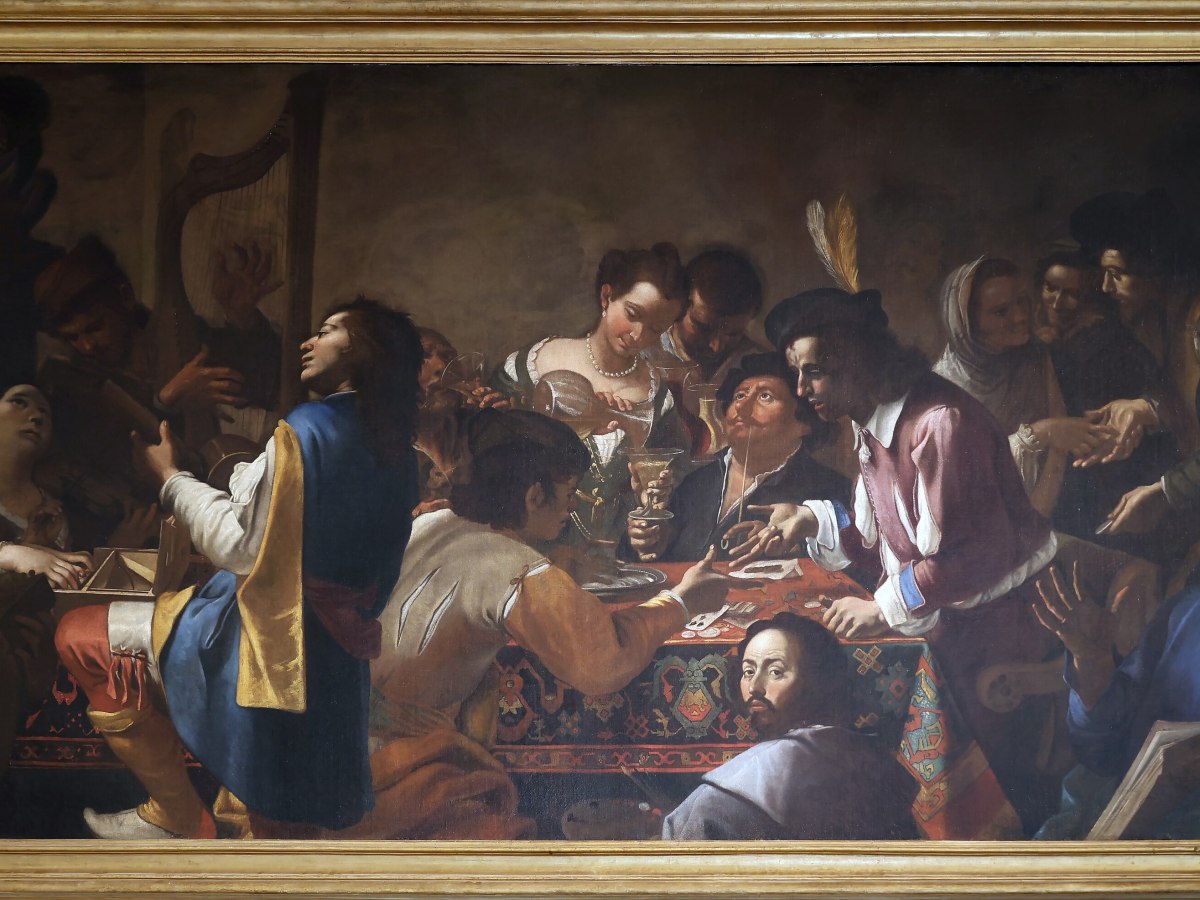
Mattia and Gregorio Preti: Two Allegories of the Senses
The Senses as a Subject When Gregorio and Mattia Preti painted their first Allegory of the Five Senses in Rome during the 1630s, they were taking up a subject with a long history. Sight, hearing, smell, taste and touch had been represented individually and in cycles since the Middle Ages, and by the sixteenth century…
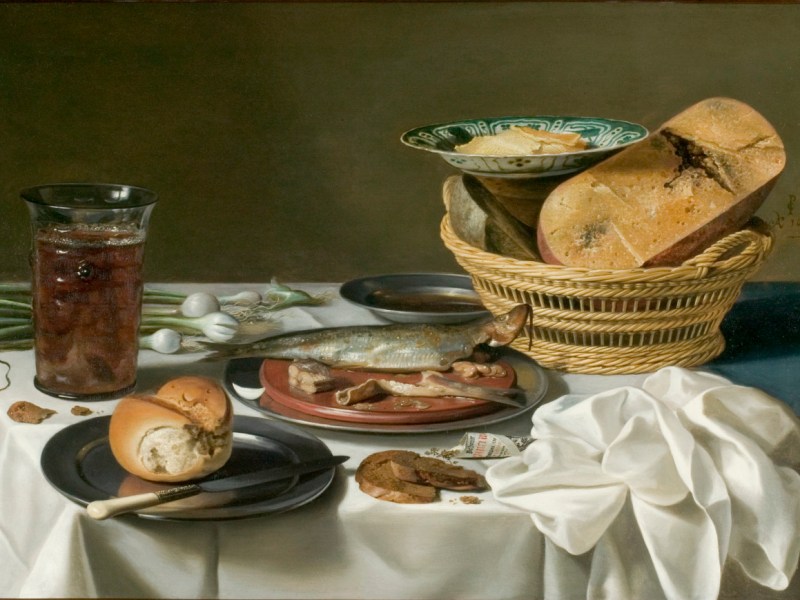
Pieter Claesz (1597–1660): Early Still Lifes in Haarlem
Still life occupied an ambiguous position in seventeenth-century Dutch painting. It was admired for the extraordinary skill with which painters could reproduce the sheen of metal, the transparency of glass, the texture of fruit or bread and the fall of light across a table, yet in theoretical accounts it remained low in the hierarchy of…
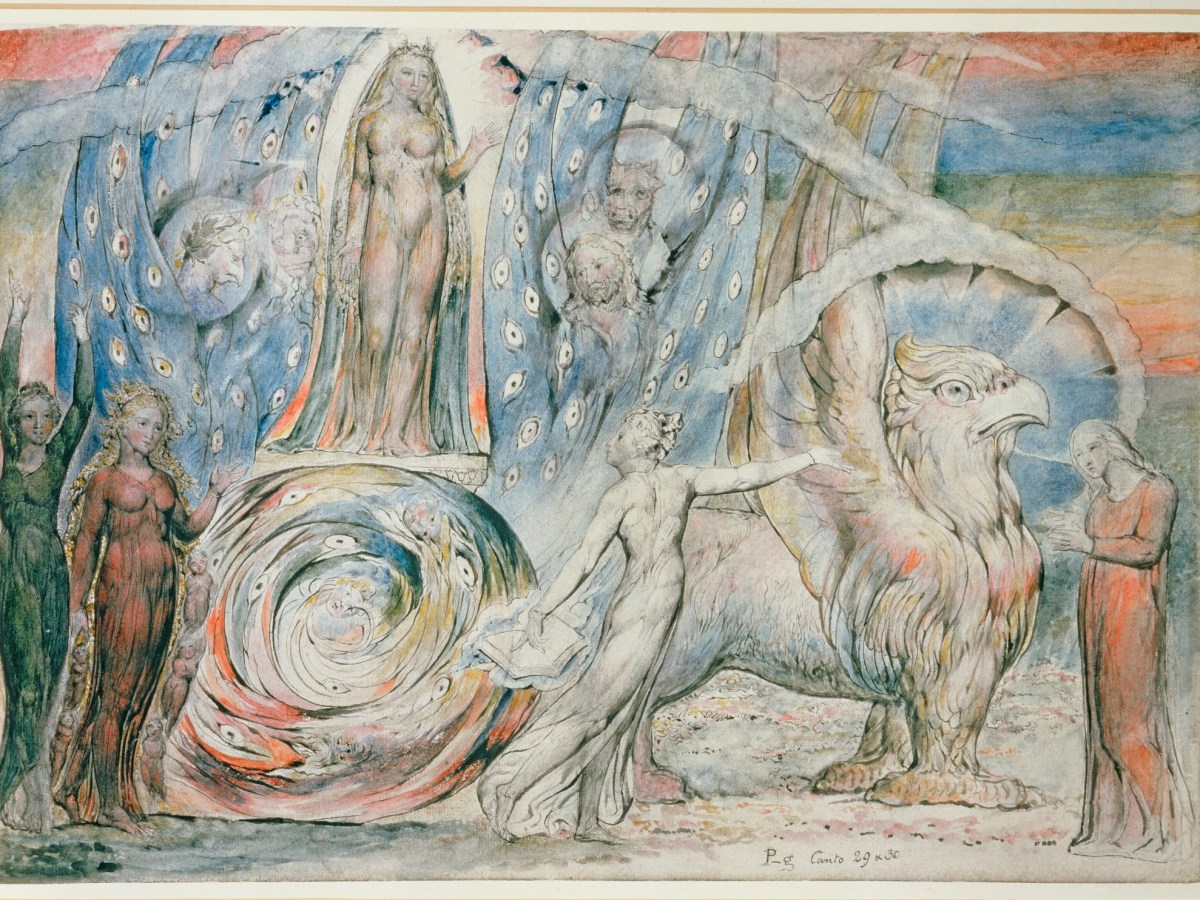
William Blake, Dante and Beatrice: Vision and Mediation
In 1824, when William Blake began his illustrations to Dante’s Divine Comedy, he was sixty-six and entering the last three years of his life. His health was declining and his finances remained precarious, but this was not a period of artistic withdrawal. He was completing the engravings to the Book of Job, and the younger…
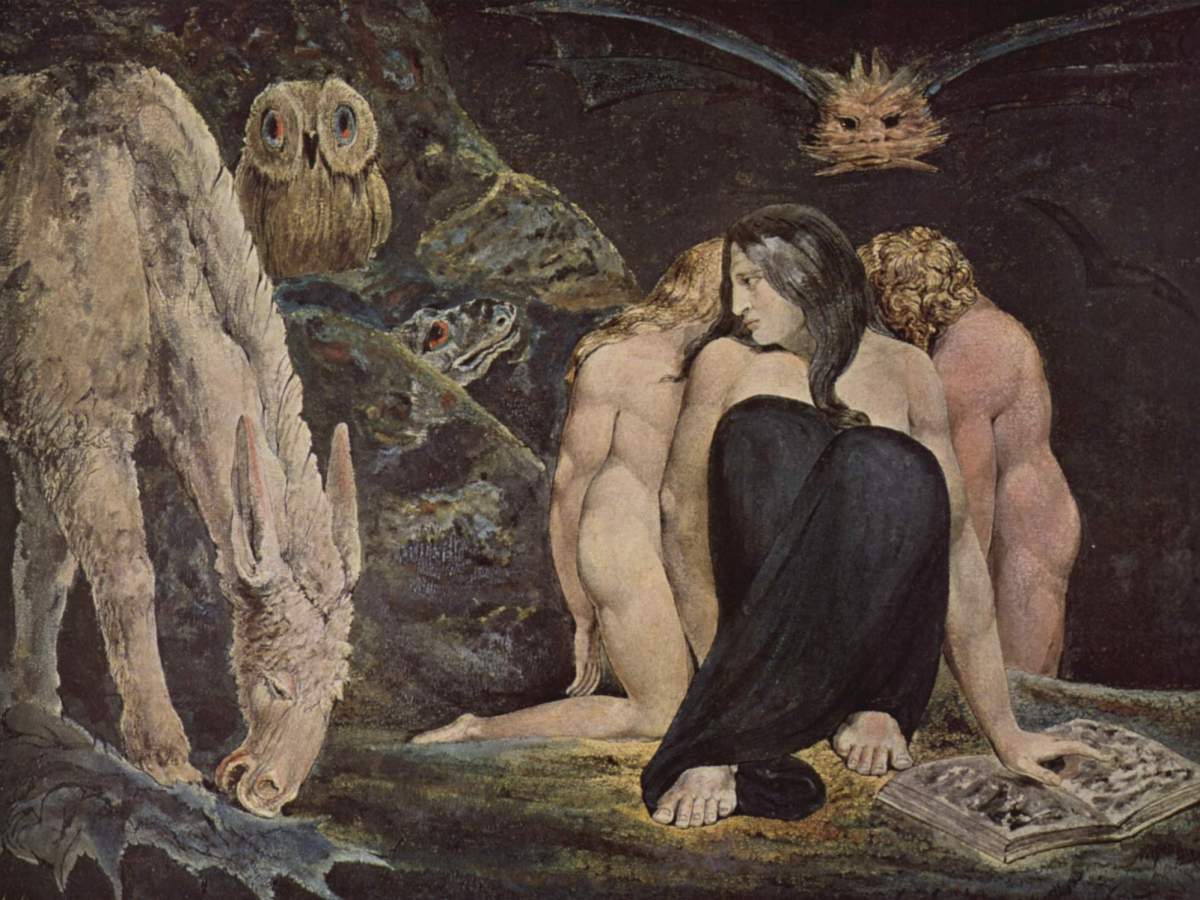
William Blake’s Hecate: Image, Symbol and Ambiguity
William Blake’s large colour print traditionally known as Hecate, or The Triple Hecate, was made around 1795 as part of a group of twelve large colour-printed designs. Three impressions survive, in the Tate, the Huntington and the National Galleries of Scotland. No title by Blake is known, and the designation Hecate appears to have entered…
Something went wrong. Please refresh the page and/or try again.
Follow My Blog
Get new content delivered directly to your inbox.

