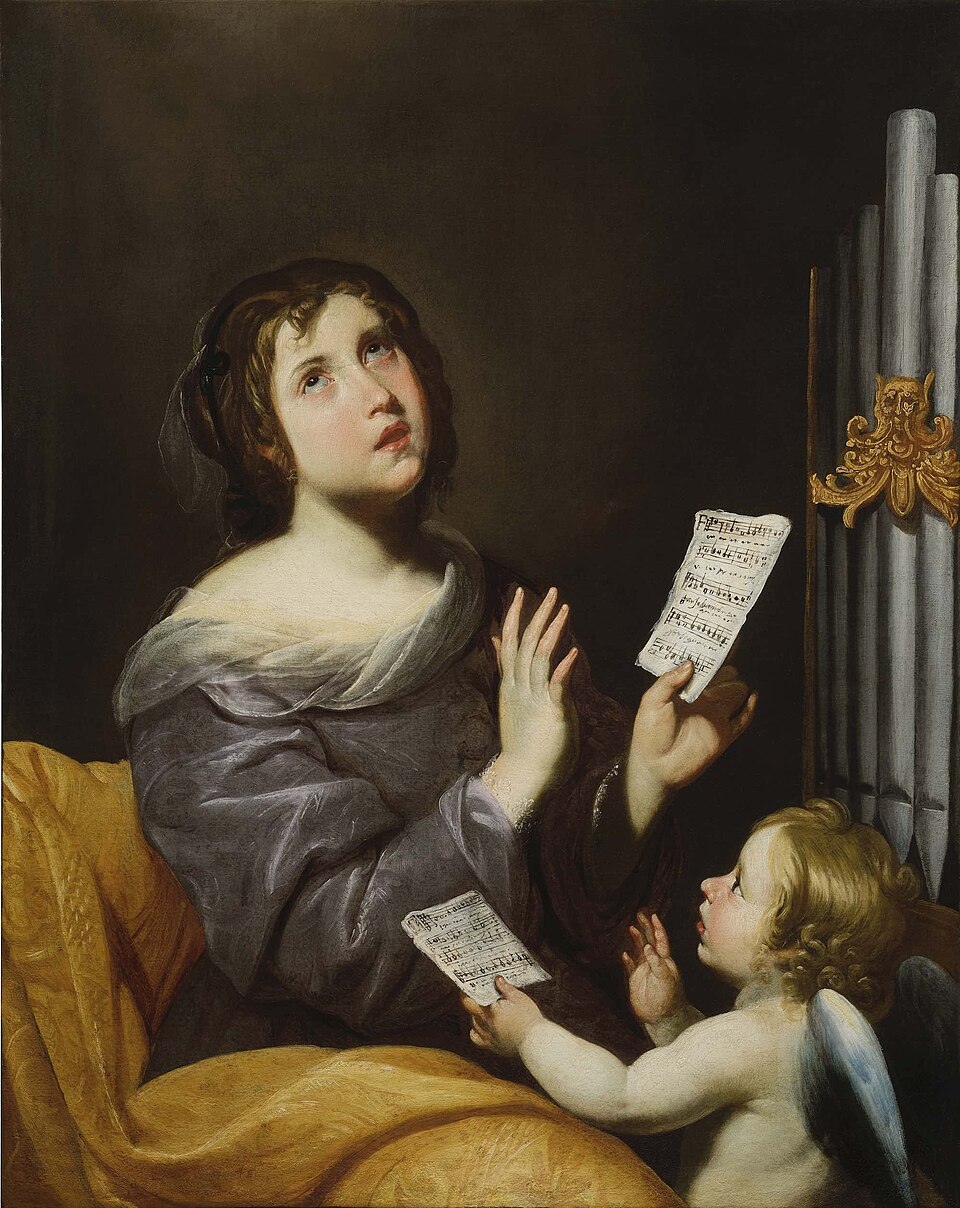
Introduction Diana Di Rosa occupies an unusual position in the history of seventeenth-century Neapolitan painting. Celebrated in later tradition as “Annella di Massimo”, she acquired a reputation that rested as much on the dramatic story of her life as on the paintings associated with her. Yet while Artemisia Gentileschi has generated an extensive modern literature,Continue reading “Diana Di Rosa (1602–1643): An Emerging Artistic Identity”
Tag Archives: Neapolitan painting
Salvator Rosa: Portraits, Self-Portraits and the Construction of Artistic Identity
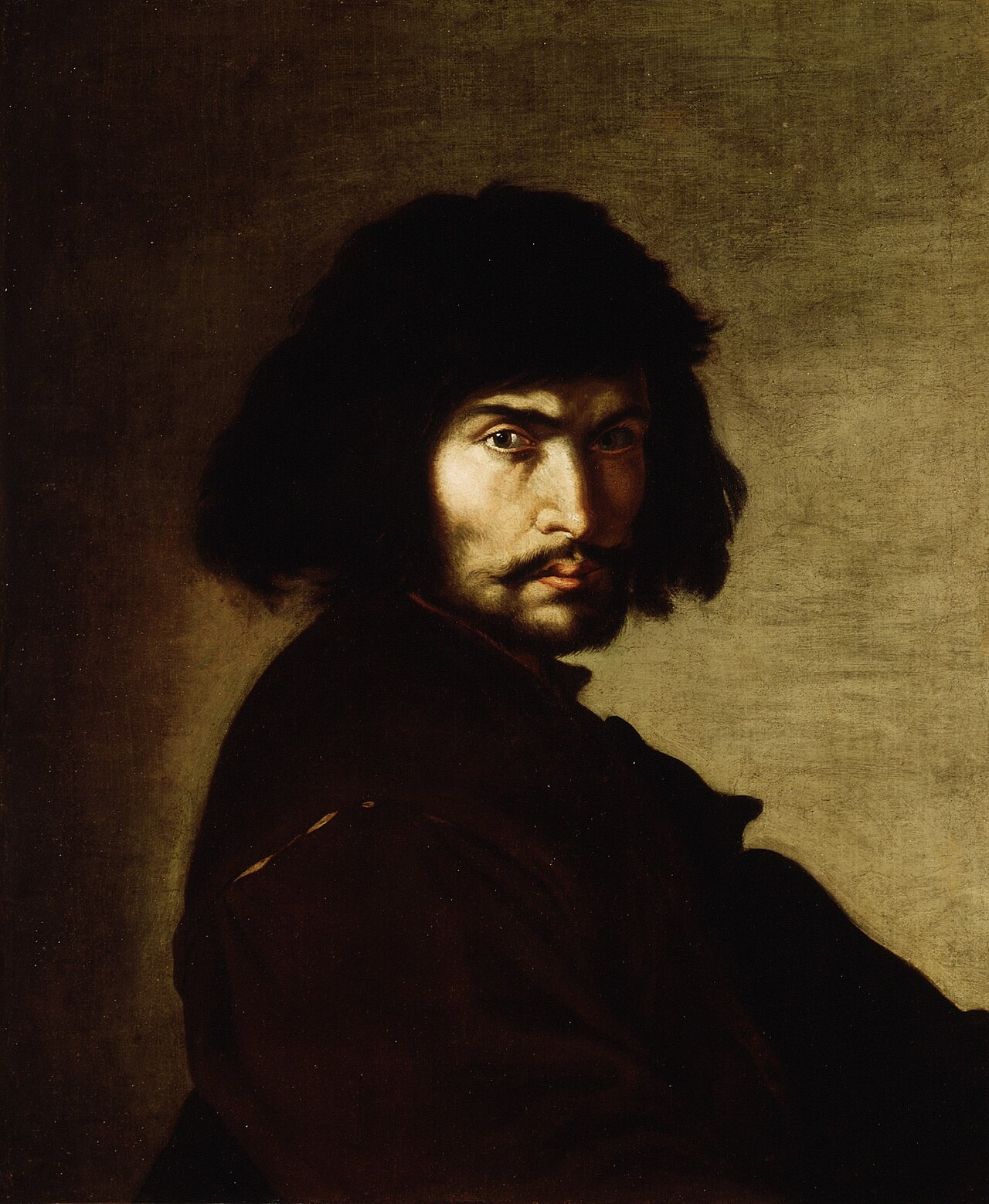
Portraiture occupies an unusual place within the work of Salvator Rosa (1615–1673). Although celebrated by his contemporaries for landscapes, battle scenes and increasingly ambitious history paintings, he repeatedly returned to images of the individual figure, producing portraits of remarkable variety and psychological intensity. Some are straightforward likenesses, others adopt theatrical or philosophical roles, while stillContinue reading “Salvator Rosa: Portraits, Self-Portraits and the Construction of Artistic Identity”
Rue Scribe: Giuseppe Casciaro (1861–1941) and an Italian Network in Paris
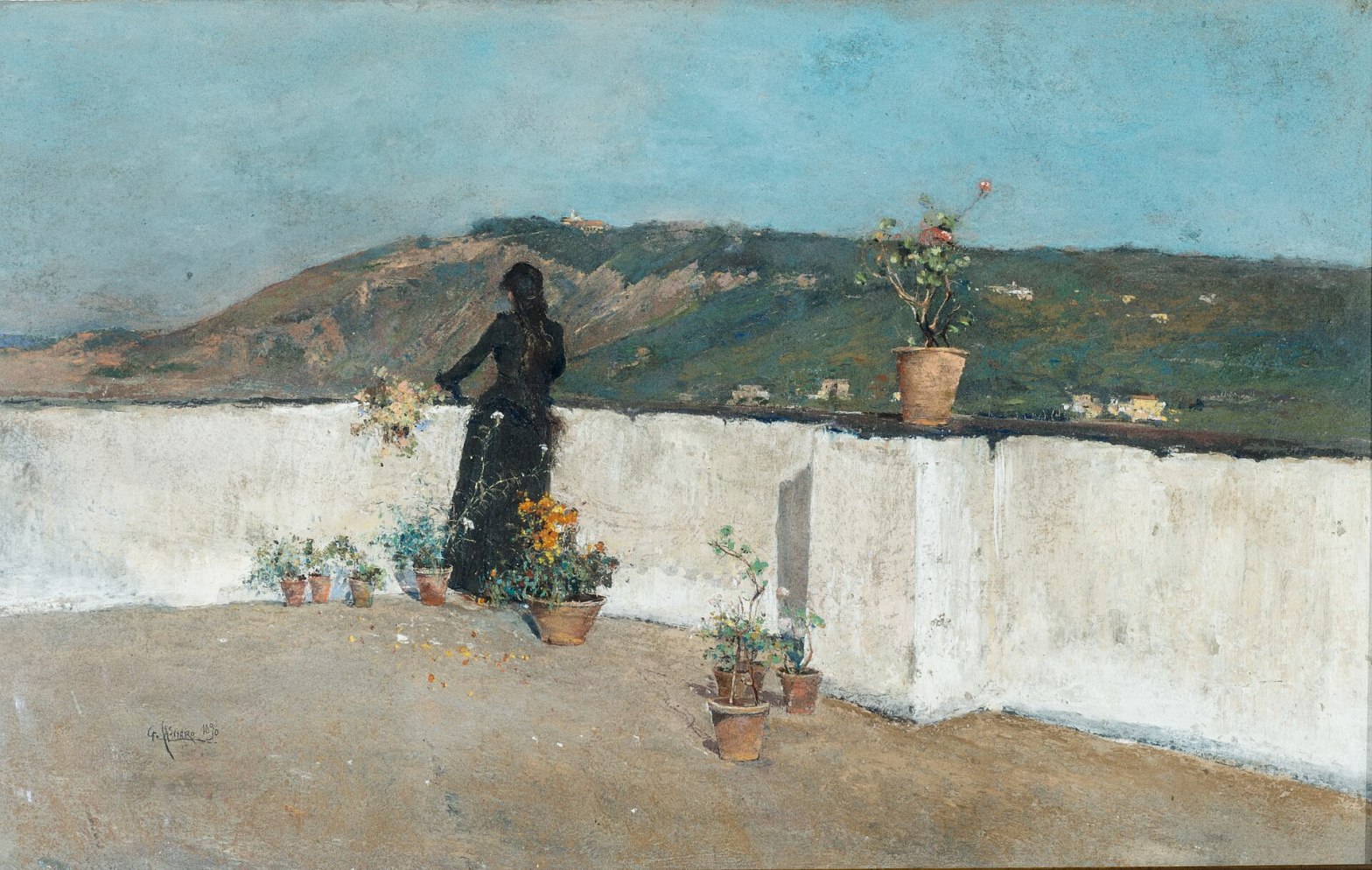
Giuseppe Casciaro’s association with Paris appears to have developed earlier than has often been assumed. Vito Carbonara notes that, in 1889, Pio Enea Cugeno referred to works by the young painter as already exhibited, or intended for exhibition, in the French capital. A further indication appears in April 1891, when the Gazzetta delle Puglie reportedContinue reading “Rue Scribe: Giuseppe Casciaro (1861–1941) and an Italian Network in Paris”
Luca Giordano (1634–1705) at the Casón del Buen Retiro: The Alegoría del Toisón de Oro and the Last Habsburg Court
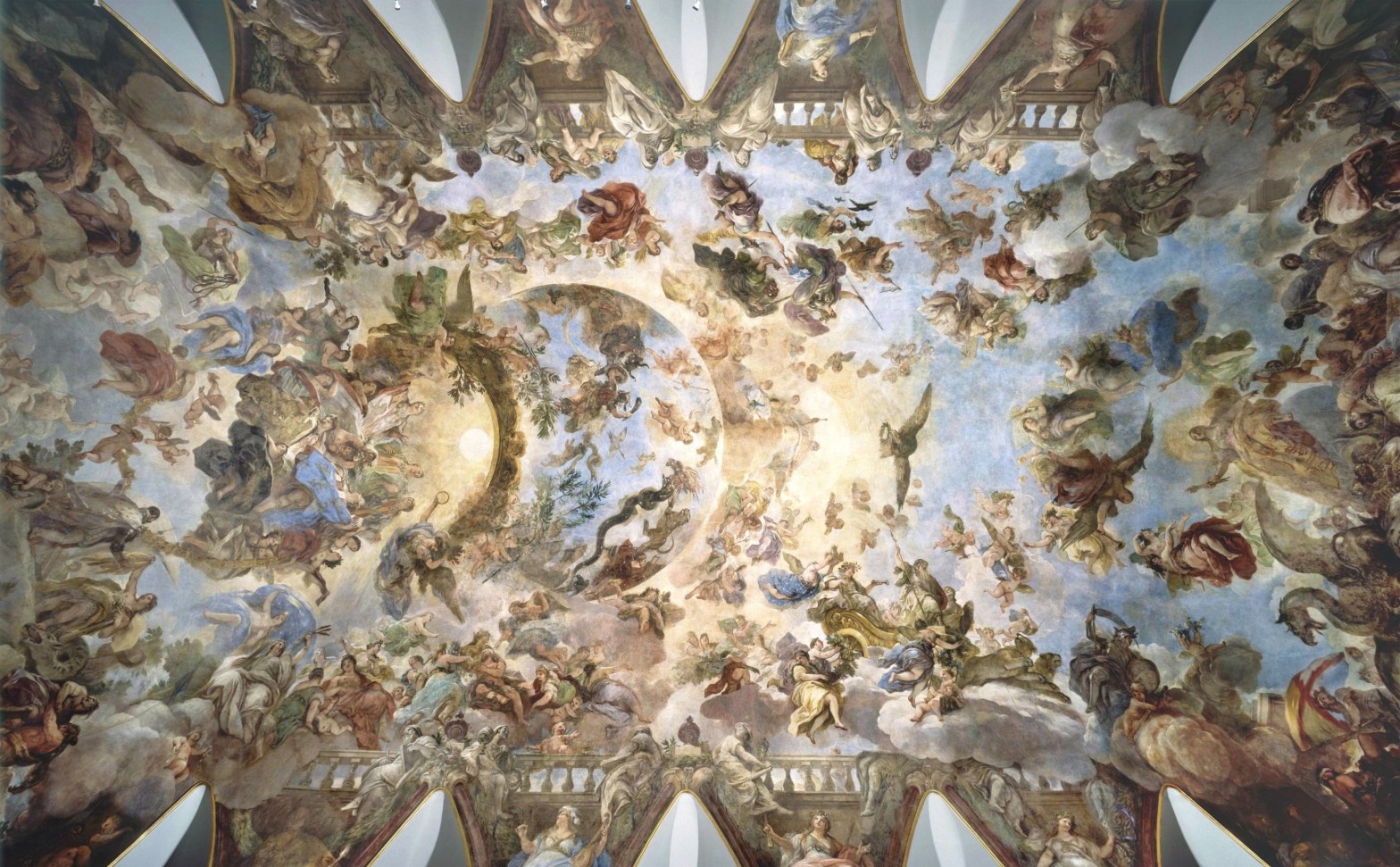
Luca Giordano was born in Naples on 18 October 1634, the son of Antonio Giordano and Isabella Imparato. According to Maria Giovanna Sarti, his father was a picture dealer of Puglian origin and also a modest painter, and seems to have introduced him early to the practical world of painting. Although the sources report anContinue reading “Luca Giordano (1634–1705) at the Casón del Buen Retiro: The Alegoría del Toisón de Oro and the Last Habsburg Court”
Battistello Caracciolo: Painting after Caravaggio in Naples (Part 1).
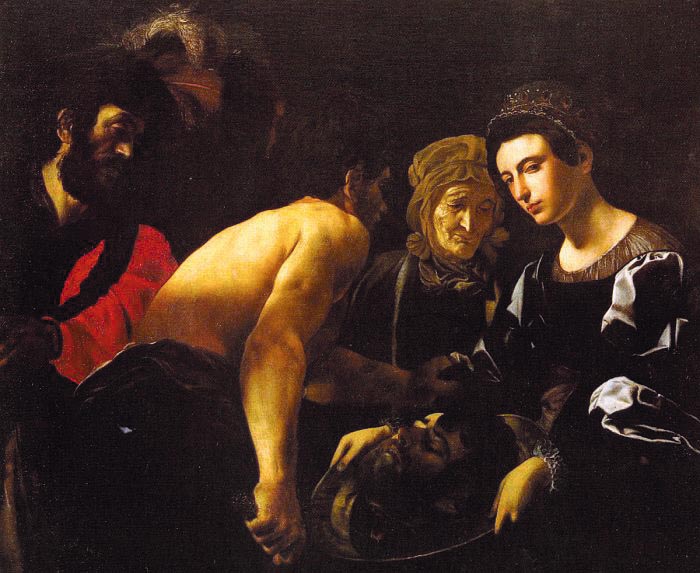
Part One: Caravaggio, Naples, and the First Inheritance Overview Giovanni Battista Caracciolo, known as Battistello, was born in Naples in 1578 and died there in December 1635. In 1598 he married Beatrice di Mario da Gaeta, with whom he had a large family, and by the beginning of the new century he was already activeContinue reading “Battistello Caracciolo: Painting after Caravaggio in Naples (Part 1).”
Battistello Caracciolo: Painting after Caravaggio in Naples (Part 2).
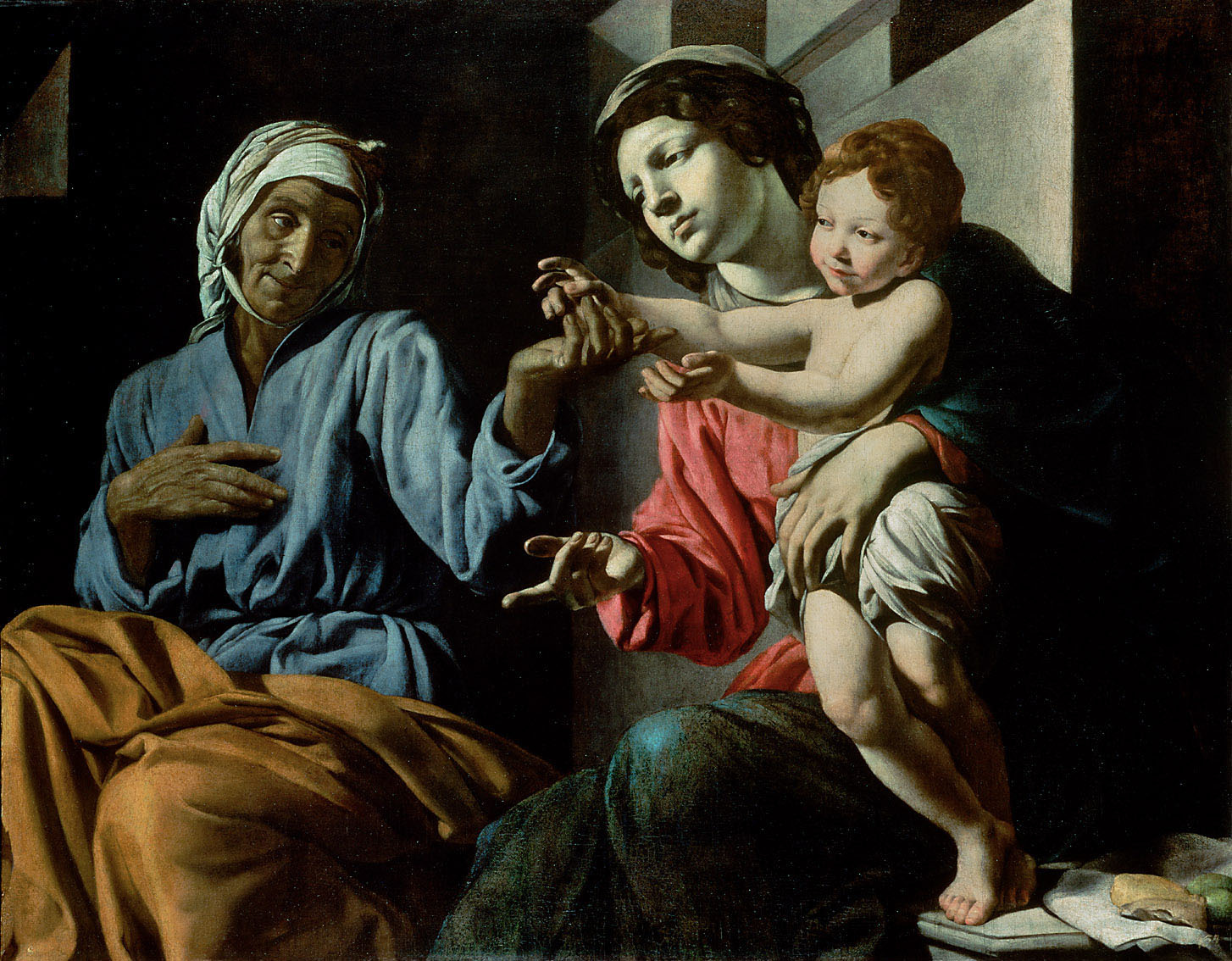
Part Two: Ribera, Lanfranco, and the Wider Neapolitan Field That darker current was associated above all with Ribera. His arrival in Naples around 1616 did not simply displace Caravaggio, but changed both the character and the reach of the local naturalist tradition. Causa’s distinction between the two painters is less a judgement of artistic greatnessContinue reading “Battistello Caracciolo: Painting after Caravaggio in Naples (Part 2).”
Battistello Caracciolo: Painting after Caravaggio in Naples (Part 3, Gallery).
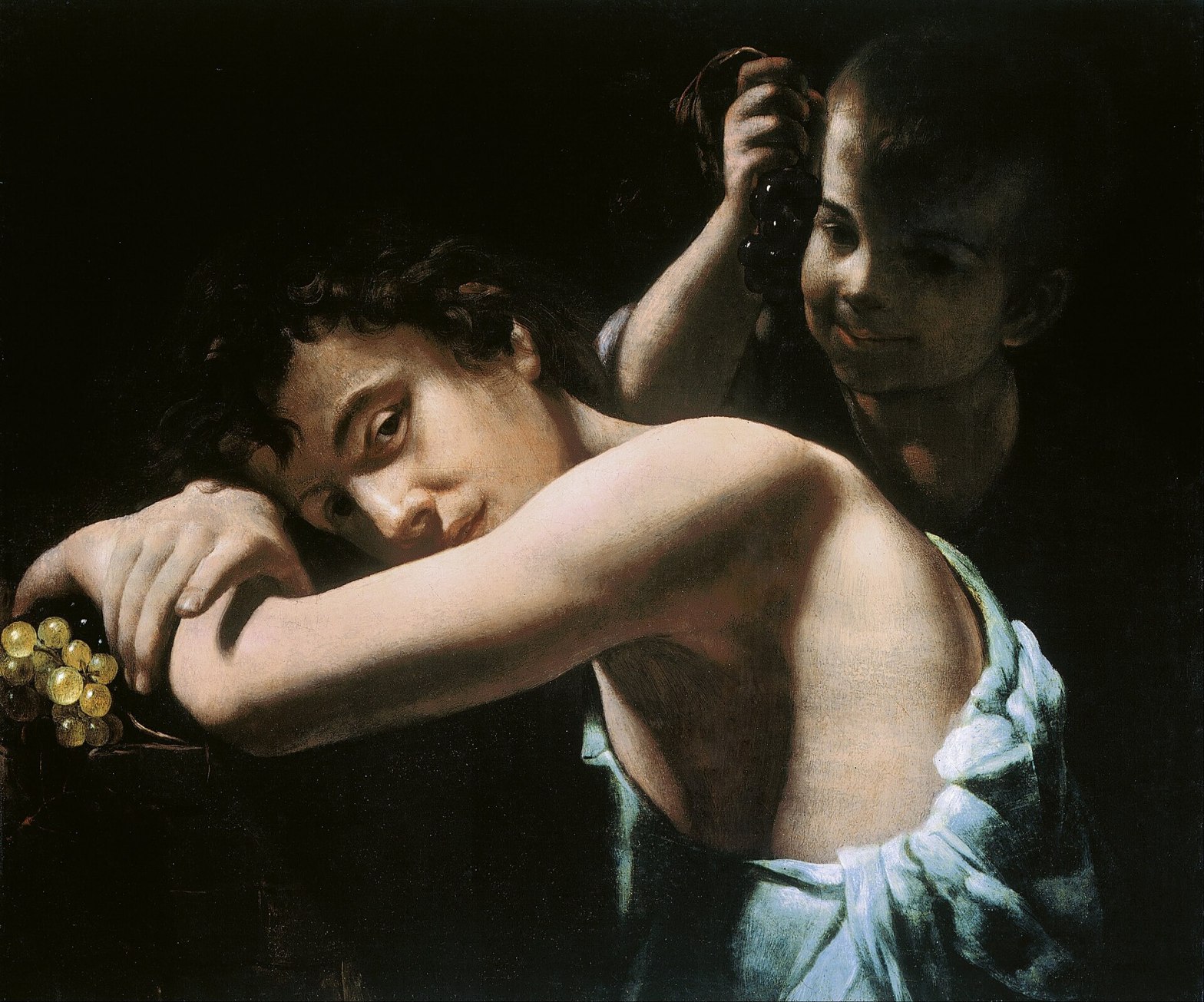
Part Three: Selected Works by Battistello Caracciolo Battistello Caracciolo, Due putti vendemmianti / Two youths with grapes, 1605–10; oil on poplar panel; 58.5 × 70.5 cm; Art Gallery of South Australia, Adelaide. Credit: Wikimedia Commons. Raffaello Causa first brought this small early panel to scholarly attention in 1950, when it belonged to the Moretti collectionContinue reading “Battistello Caracciolo: Painting after Caravaggio in Naples (Part 3, Gallery).”
 Inner Surfaces