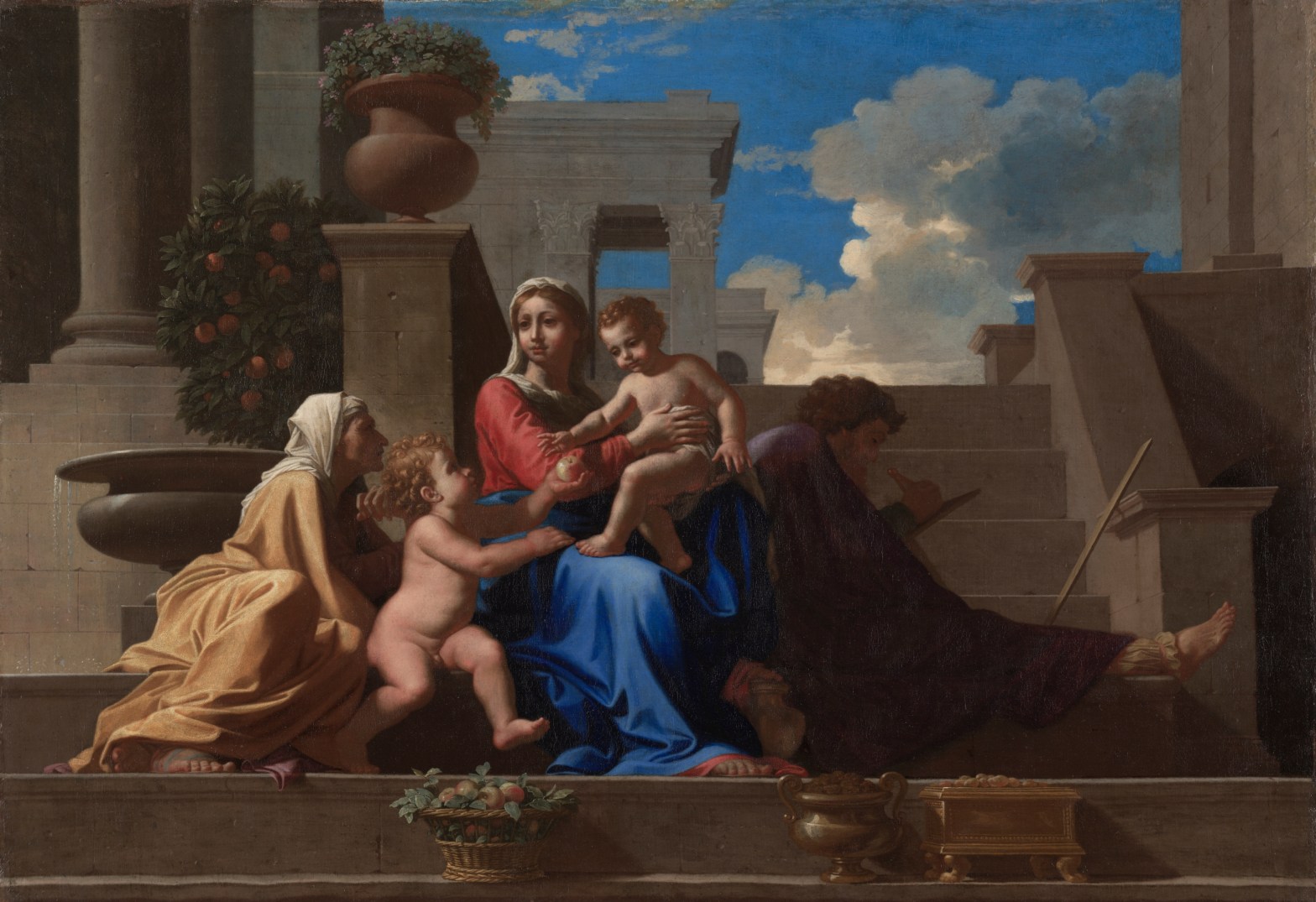
Nicolas Poussin completed The Holy Family on the Steps in 1648, during a period of exceptional achievement in which his art attained a new degree of concentration and formal discipline. Having returned to Rome from Paris in 1642, he had resumed work for private patrons, free from many of the demands imposed upon him duringContinue reading “Nicolas Poussin: The Holy Family on the Steps”
Tag Archives: seventeenth-century art
Frans Hals: Style, Reputation and Portraiture
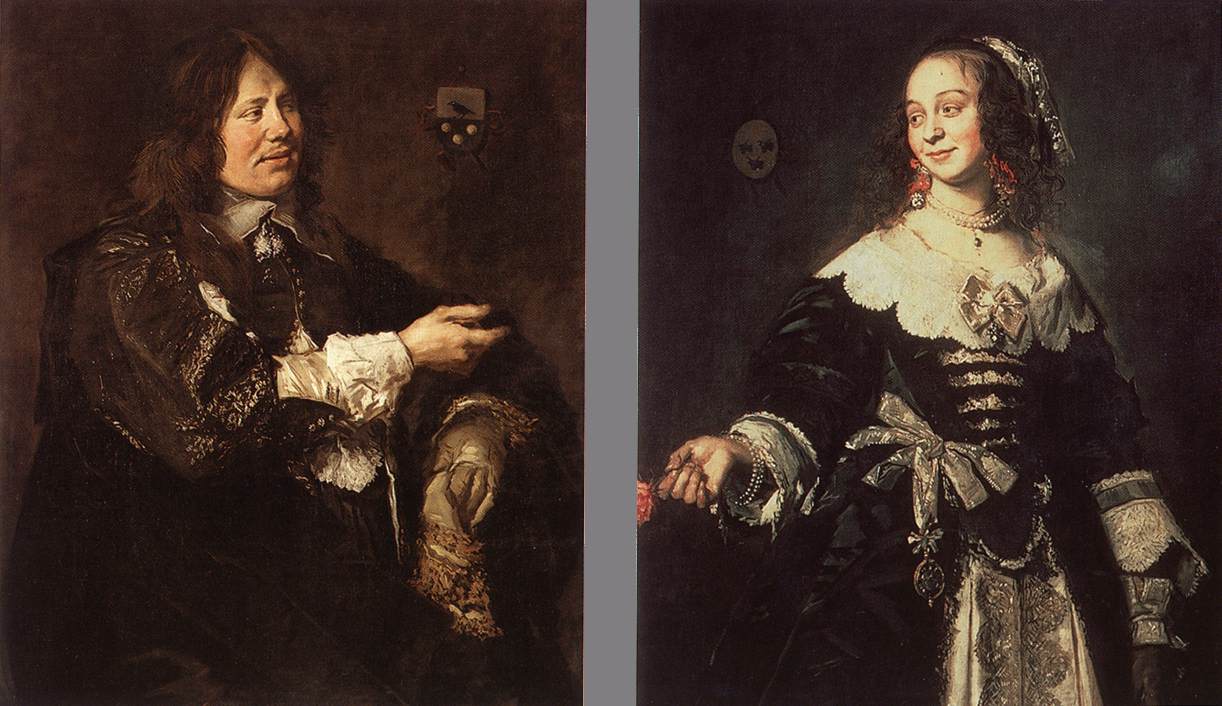
Frans Hals was born in Antwerp in 1582 or 1583, the son of a clothworker from Mechelen. His family settled in Haarlem following the Spanish reconquest of Antwerp in 1585, and it was there that he spent almost his entire working life. His early training remains obscure. A later account identifies him as a pupilContinue reading “Frans Hals: Style, Reputation and Portraiture”
Four Self-Portraits by Luca Giordano
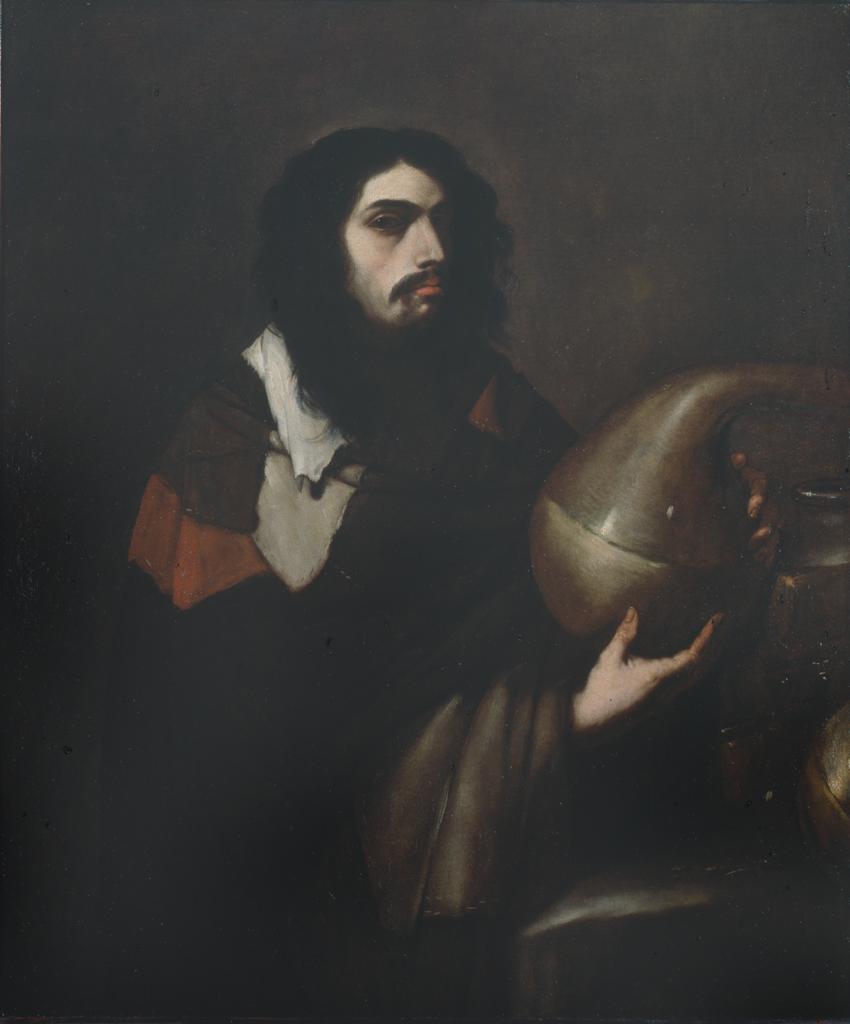
Luca Giordano, Self-Portrait as an Alchemist, c. 1660, oil on canvas, 116 × 96 cm, Pinacoteca di Brera, Milan, inv. 689. Image: © Pinacoteca di Brera, Milan – MiC. Luca Giordano returned to his own appearance throughout his long career. His earliest experiments in self-representation include Saint Luke Painting the Virgin, now in the MuseoContinue reading “Four Self-Portraits by Luca Giordano”
Salvator Rosa: Portraits, Self-Portraits and the Construction of Artistic Identity
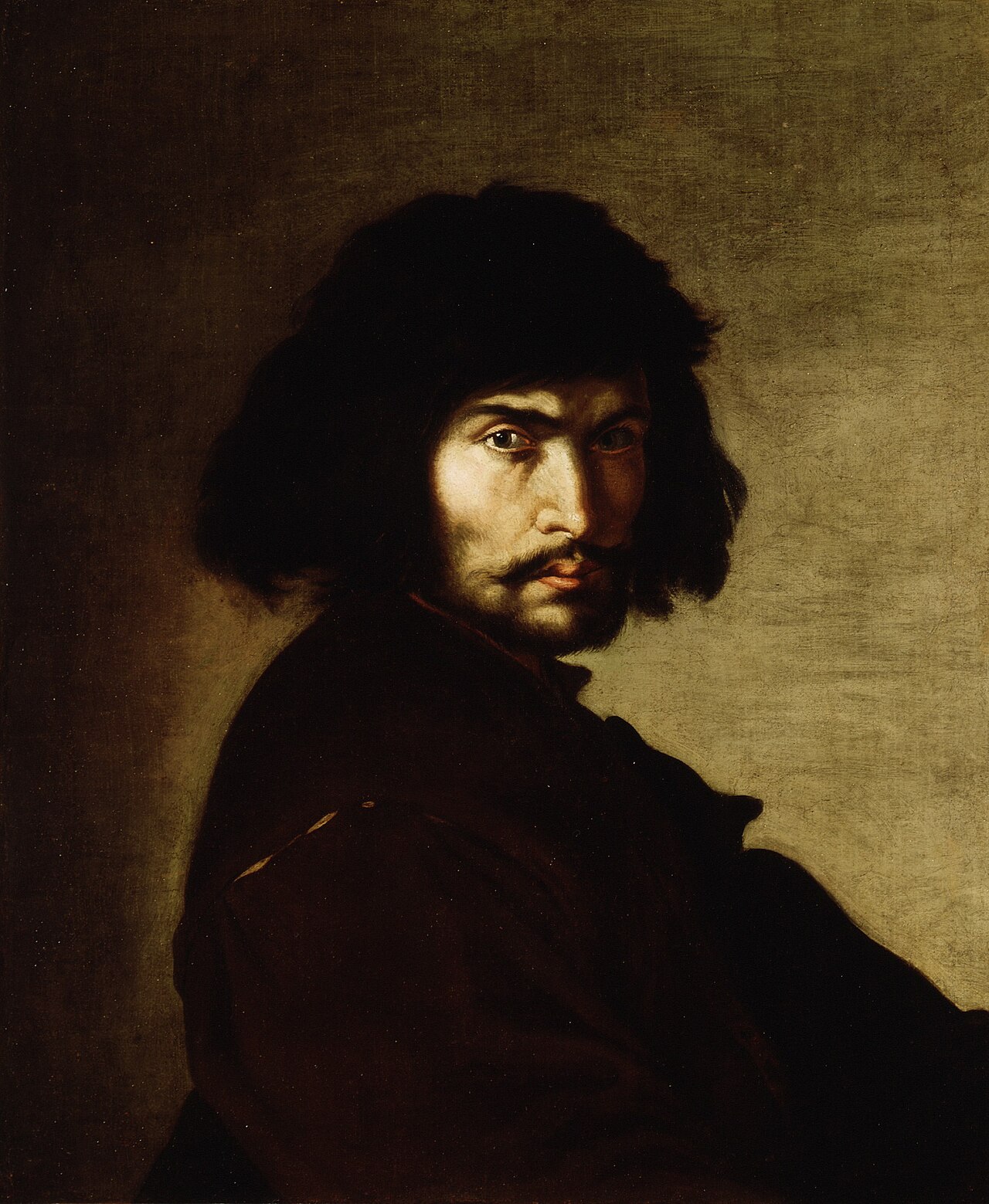
Portraiture occupies an unusual place within the work of Salvator Rosa (1615–1673). Although celebrated by his contemporaries for landscapes, battle scenes and increasingly ambitious history paintings, he repeatedly returned to images of the individual figure, producing portraits of remarkable variety and psychological intensity. Some are straightforward likenesses, others adopt theatrical or philosophical roles, while stillContinue reading “Salvator Rosa: Portraits, Self-Portraits and the Construction of Artistic Identity”
Luca Giordano (1634–1705) at the Casón del Buen Retiro: The Alegoría del Toisón de Oro and the Last Habsburg Court
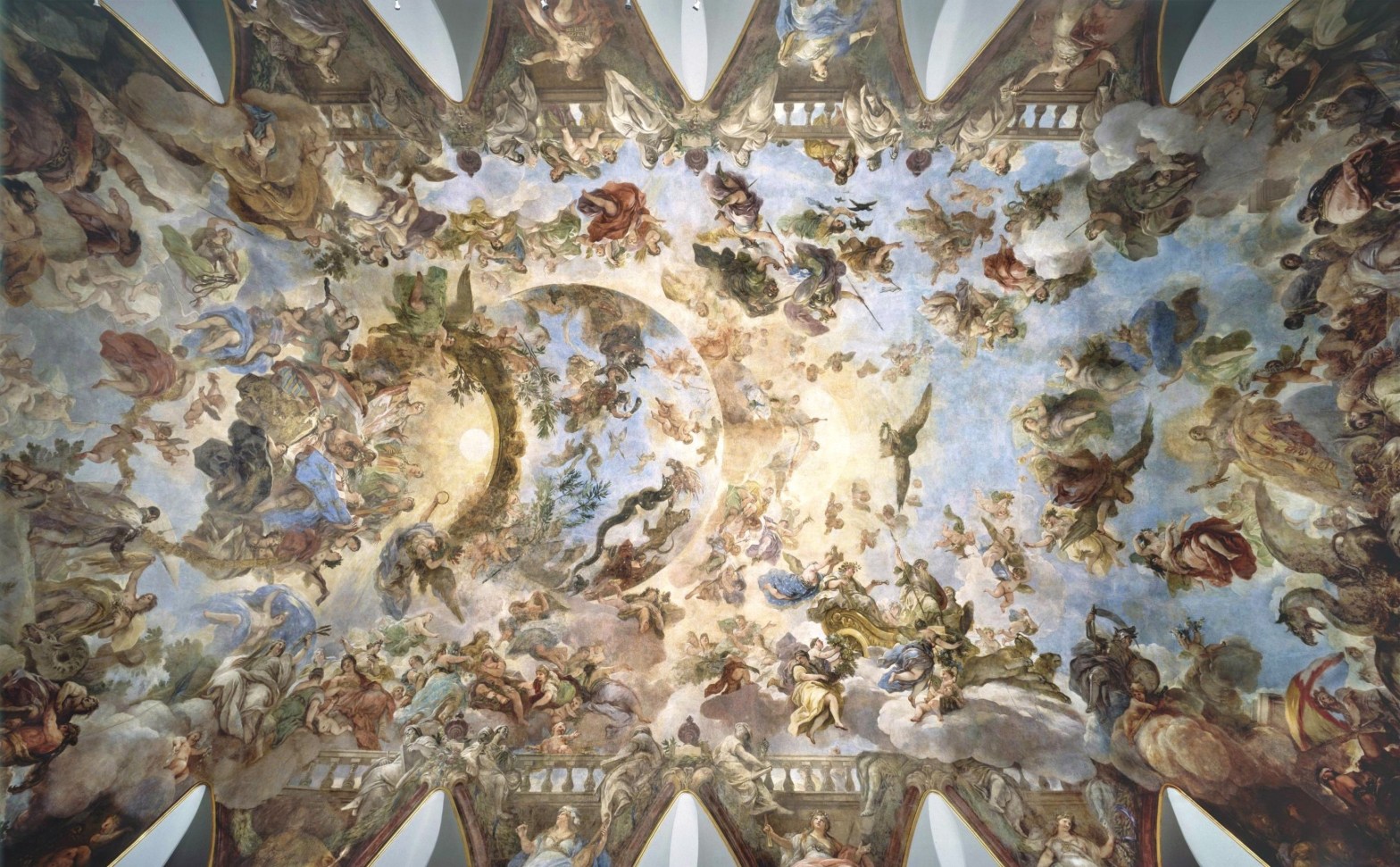
Luca Giordano was born in Naples on 18 October 1634, the son of Antonio Giordano and Isabella Imparato. According to Maria Giovanna Sarti, his father was a picture dealer of Puglian origin and also a modest painter, and seems to have introduced him early to the practical world of painting. Although the sources report anContinue reading “Luca Giordano (1634–1705) at the Casón del Buen Retiro: The Alegoría del Toisón de Oro and the Last Habsburg Court”

