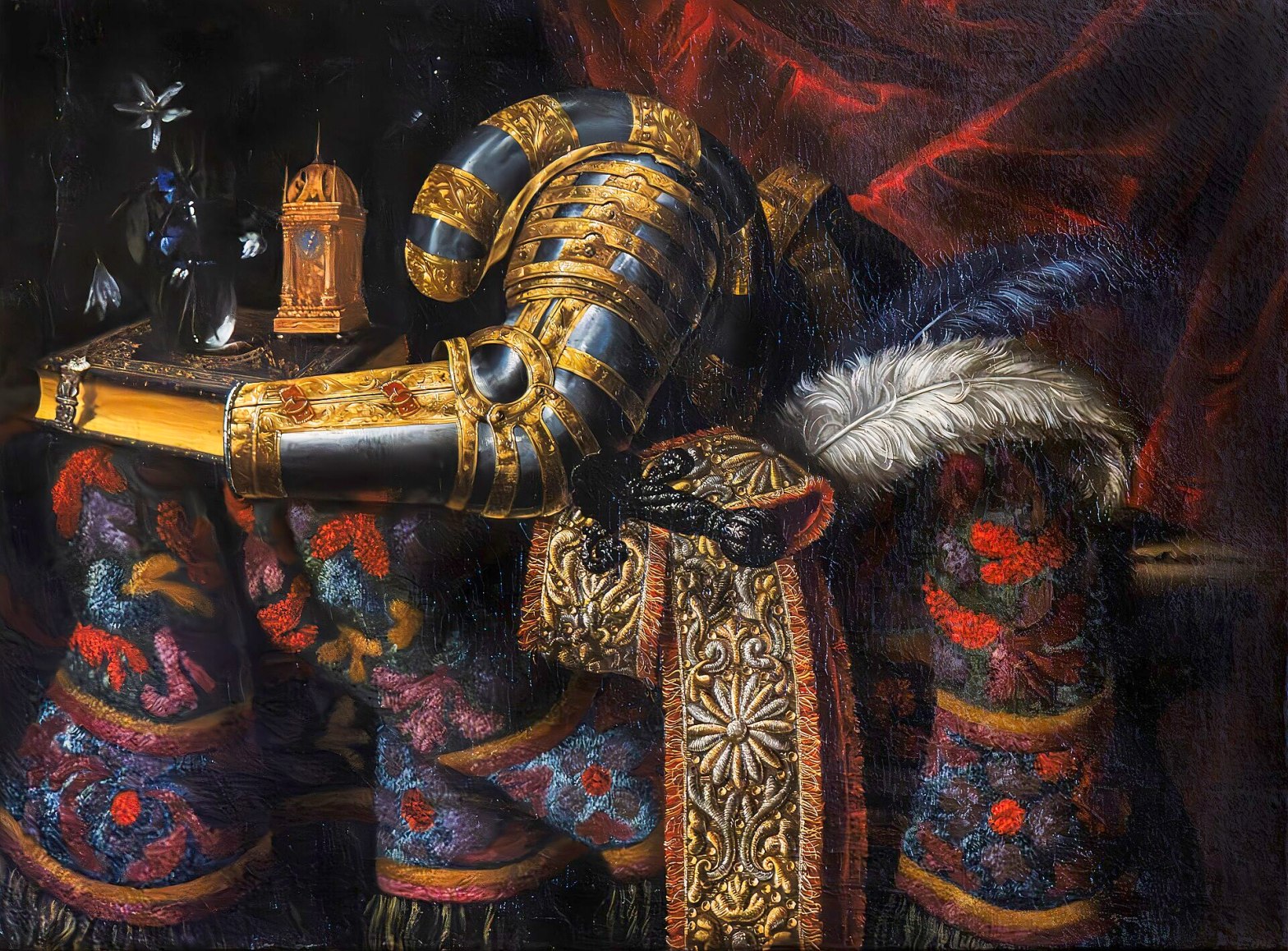
Francesco Noletti, Still Life with Armour, c. 1650, oil on canvas, 76 × 108 cm, Museo Correr, Venice, inv. Cl. I no. 1049. Image: Didier Descouens, Wikimedia Commons, CC BY-SA 4.0. The Painted Carpet In 1662, the Flemish writer Cornelis de Bie related a story about a pope visiting the house of Francesco Noletti, theContinue reading “Texture, Colour and Light: Francesco Noletti (c. 1611–1654)”
Tag Archives: seventeenth-century painting
Games, Music and Light: Mattia Preti in Rome
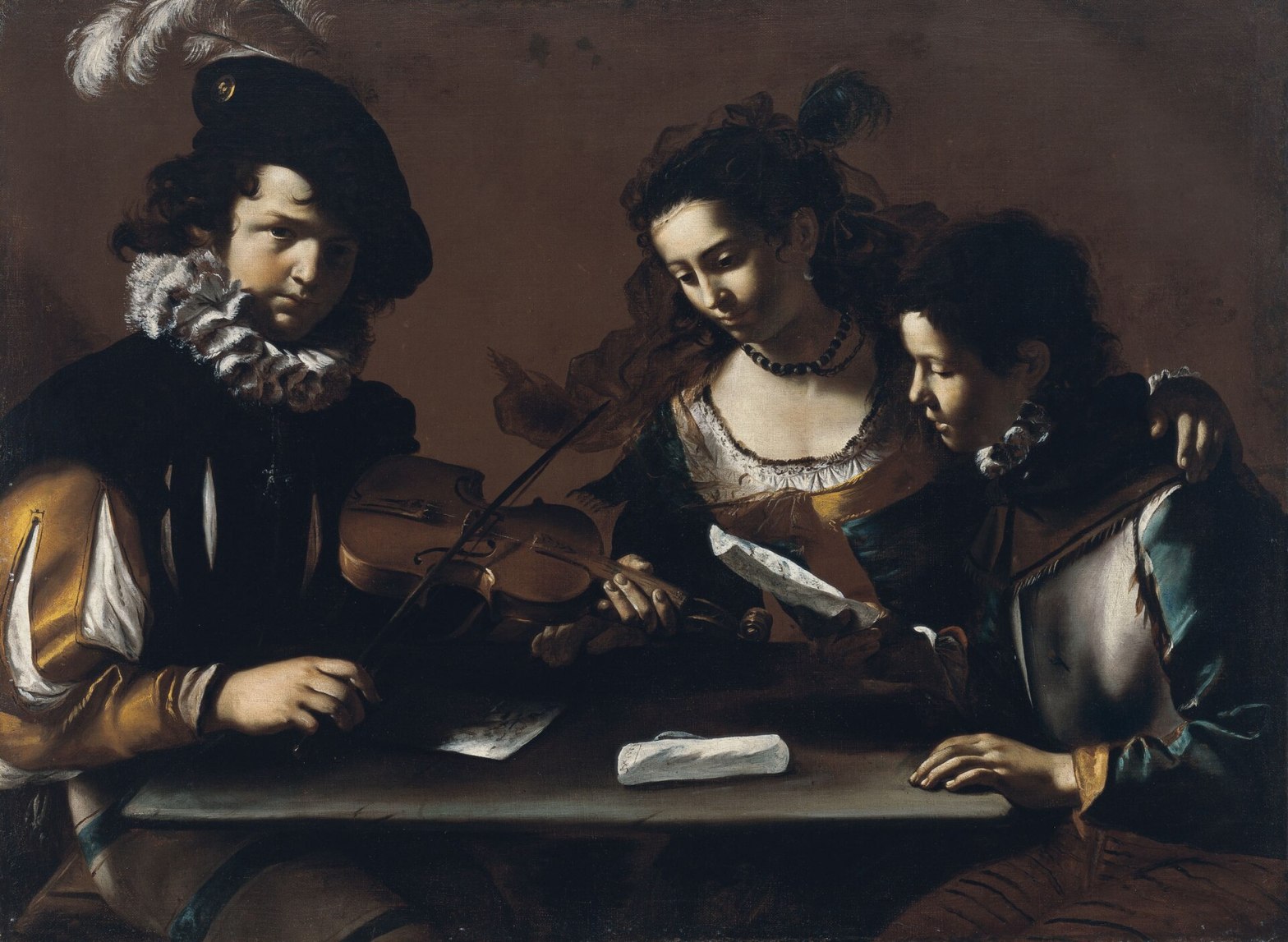
Three secular paintings by Mattia Preti, all generally assigned to his early Roman career in the first half of the 1630s, form a closely related group. Both A Concert, c. 1630–35, now in the Museo Nacional Thyssen-Bornemisza, Madrid, and the Concert in the State Hermitage Museum, St Petersburg, generally dated to the early or mid-1630s,Continue reading “Games, Music and Light: Mattia Preti in Rome”
Giovanni Lanfranco (1582–1647) and the Reworking of the Annunciation
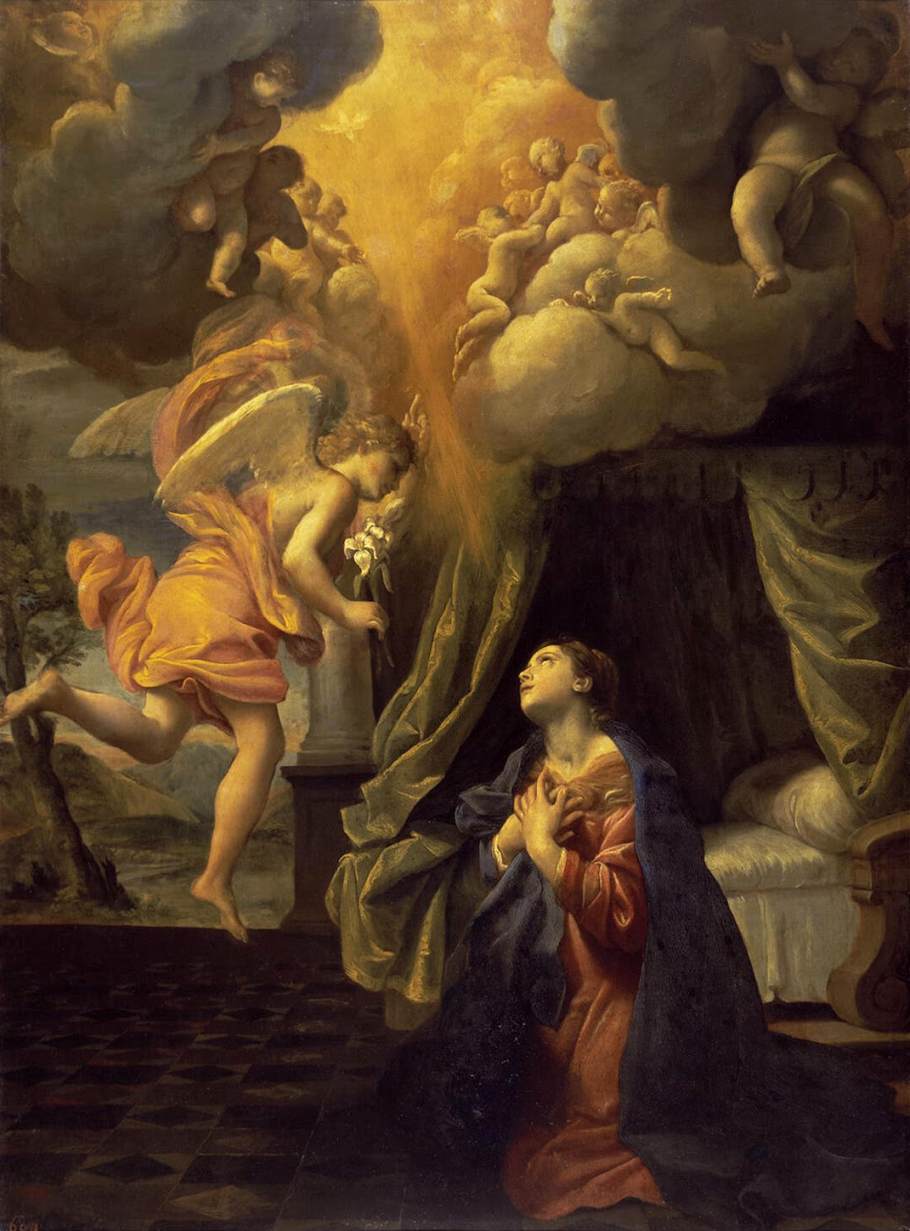
A group of three related Annunciations by Giovanni Lanfranco seems to trace the reworking of a successful invention: the small copper now in the Hermitage, the large canvas in Notre-Dame-de-Bonne-Nouvelle in Paris, and the later altarpiece in the Costaguti Chapel of Santi Biagio e Carlo ai Catinari in Rome. The precise dating of the HermitageContinue reading “Giovanni Lanfranco (1582–1647) and the Reworking of the Annunciation”
Giovanni Andrea Donducci, detto il Mastelletta (1575–1655): Sacred Stories, Private Pictures and Imagined Landscapes
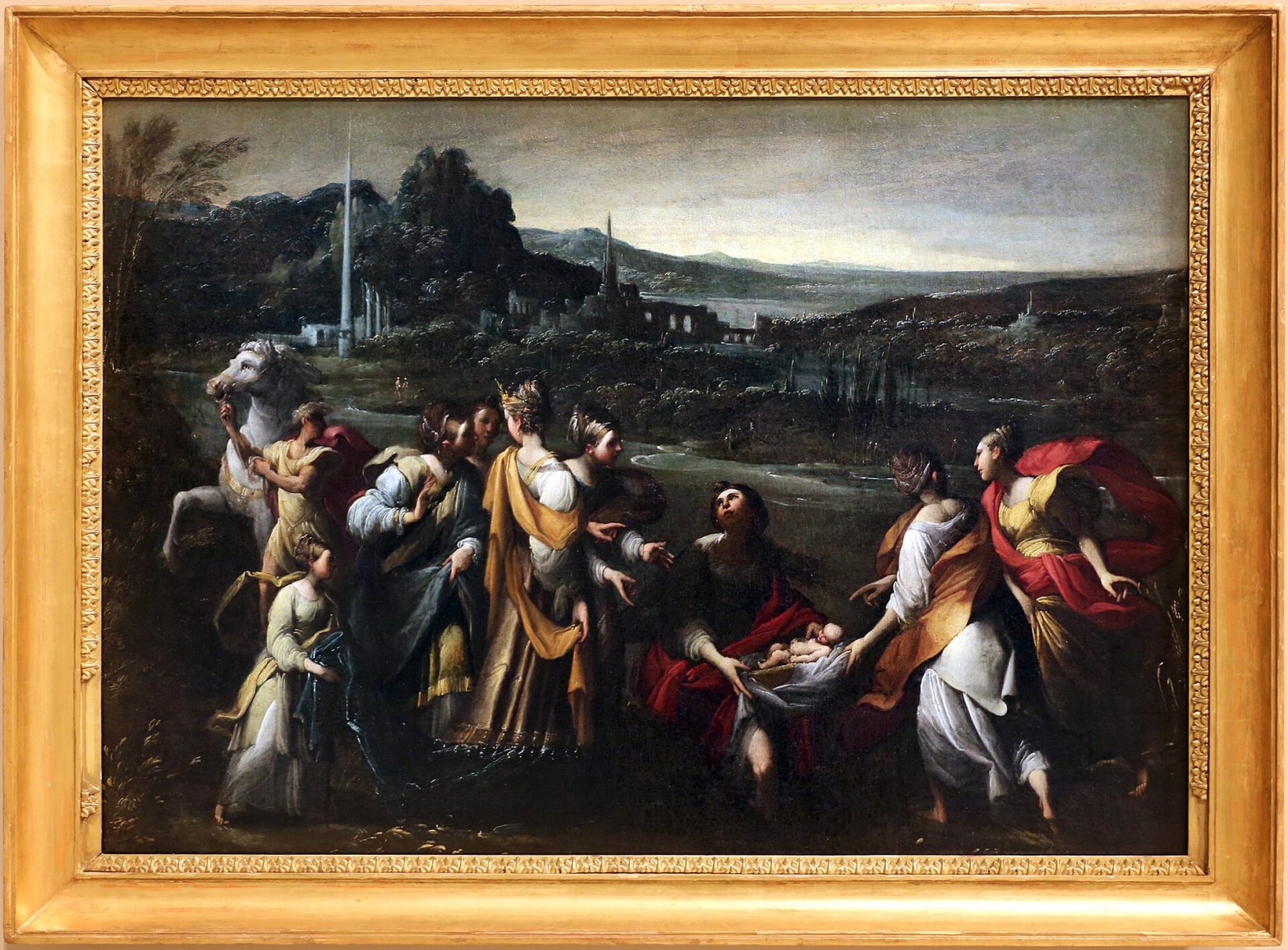
Giovanni Andrea Donducci, detto il Mastelletta Giovanni Andrea Donducci, called il Mastelletta, was born in Bologna in 1575 and died there in 1655. His career belongs to one of the most crowded and difficult moments in Bolognese painting: the period after the Carracci reform, when the city’s painters were working under the shadow of Ludovico,Continue reading “Giovanni Andrea Donducci, detto il Mastelletta (1575–1655): Sacred Stories, Private Pictures and Imagined Landscapes”
Cecco del Caravaggio: the rejected Resurrection
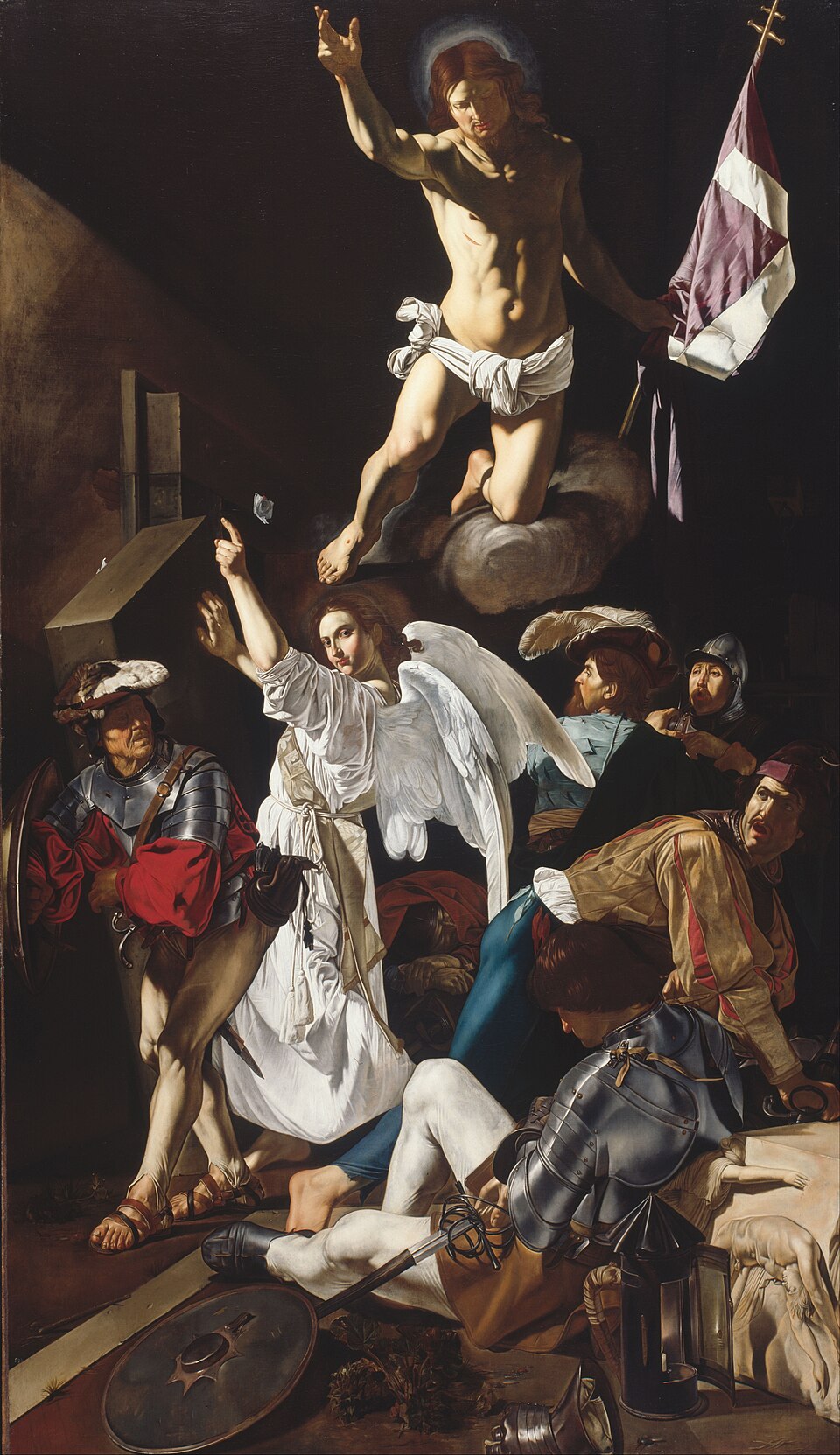
Cecco del Caravaggio remains one of the most elusive figures in the immediate wake of Caravaggio. He is usually identified with Francesco Boneri, or Buoneri, probably from Bergamo, and is repeatedly described as a painter unusually close to Caravaggio, perhaps even active around him as a model. The documents remain sparse, and the name itselfContinue reading “Cecco del Caravaggio: the rejected Resurrection”
Giovanni Antonio Galli, known as Lo Spadarino: L’angelo custode and Convito degli dei
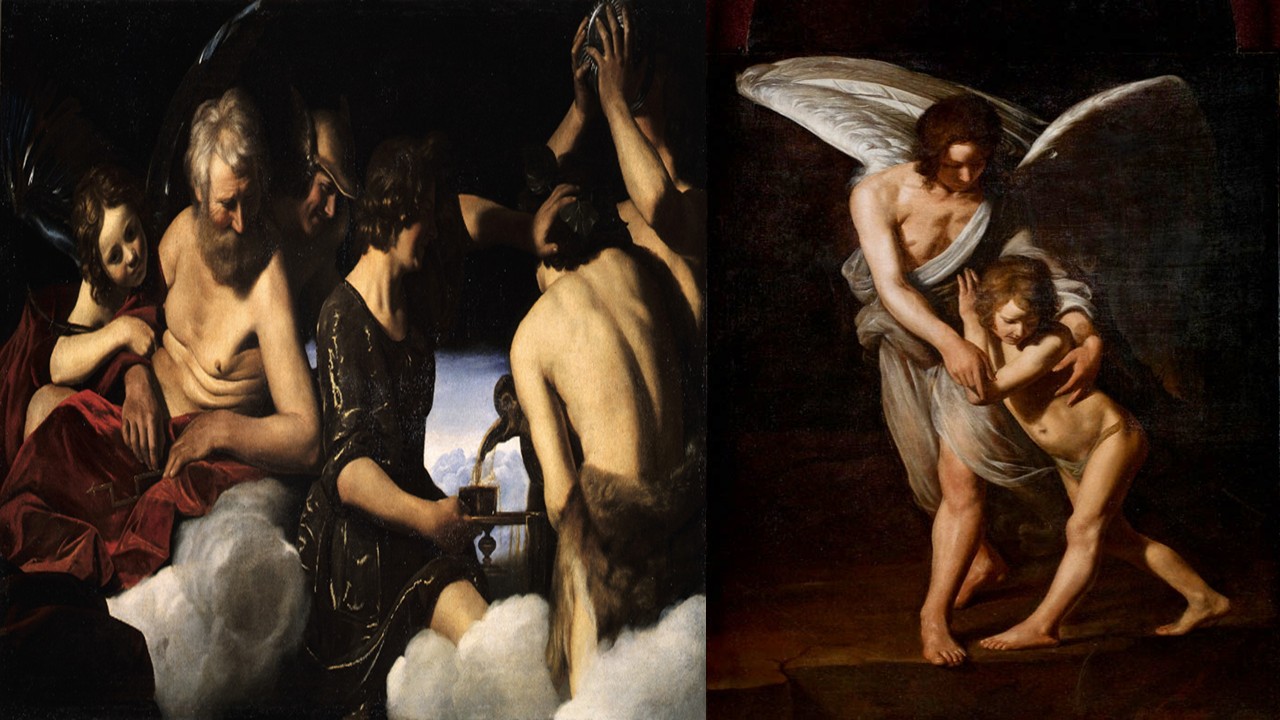
Overview The contemporary understanding of Giovanni Antonio Galli, known as lo Spadarino (Rome, 1585–1652), has been hard-won. His biography is fragmentary, his corpus remains uncertain, and much of the scholarship depends on close documentary and stylistic work. Rather than attempt a full reconstruction, this article begins from the more stable parts of the record, beforeContinue reading “Giovanni Antonio Galli, known as Lo Spadarino: L’angelo custode and Convito degli dei”
Tradition and Transformation: Velázquez’s Las Hilanderas / The Spinners / The Fable of Arachne (c. 1655–60).
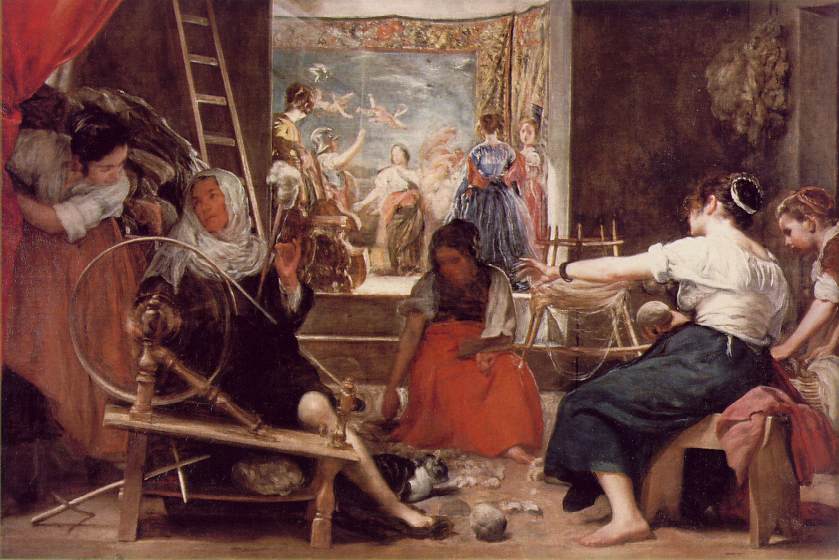
Diego Velázquez, Las Hilanderas (The Spinners, or The Fable of Arachne), c. 1657–58, oil on canvas, Museo Nacional del Prado, Madrid. (Credit: Wikipedia). « Ce qui m’a le plus ravi en Espagne, ce qui, à lui seul, vaut le voyage, c’est l’œuvre de Vélasquez. C’est le peintre des peintres ; je n’ai, cependant, été nullementContinue reading “Tradition and Transformation: Velázquez’s Las Hilanderas / The Spinners / The Fable of Arachne (c. 1655–60).”
 Inner Surfaces