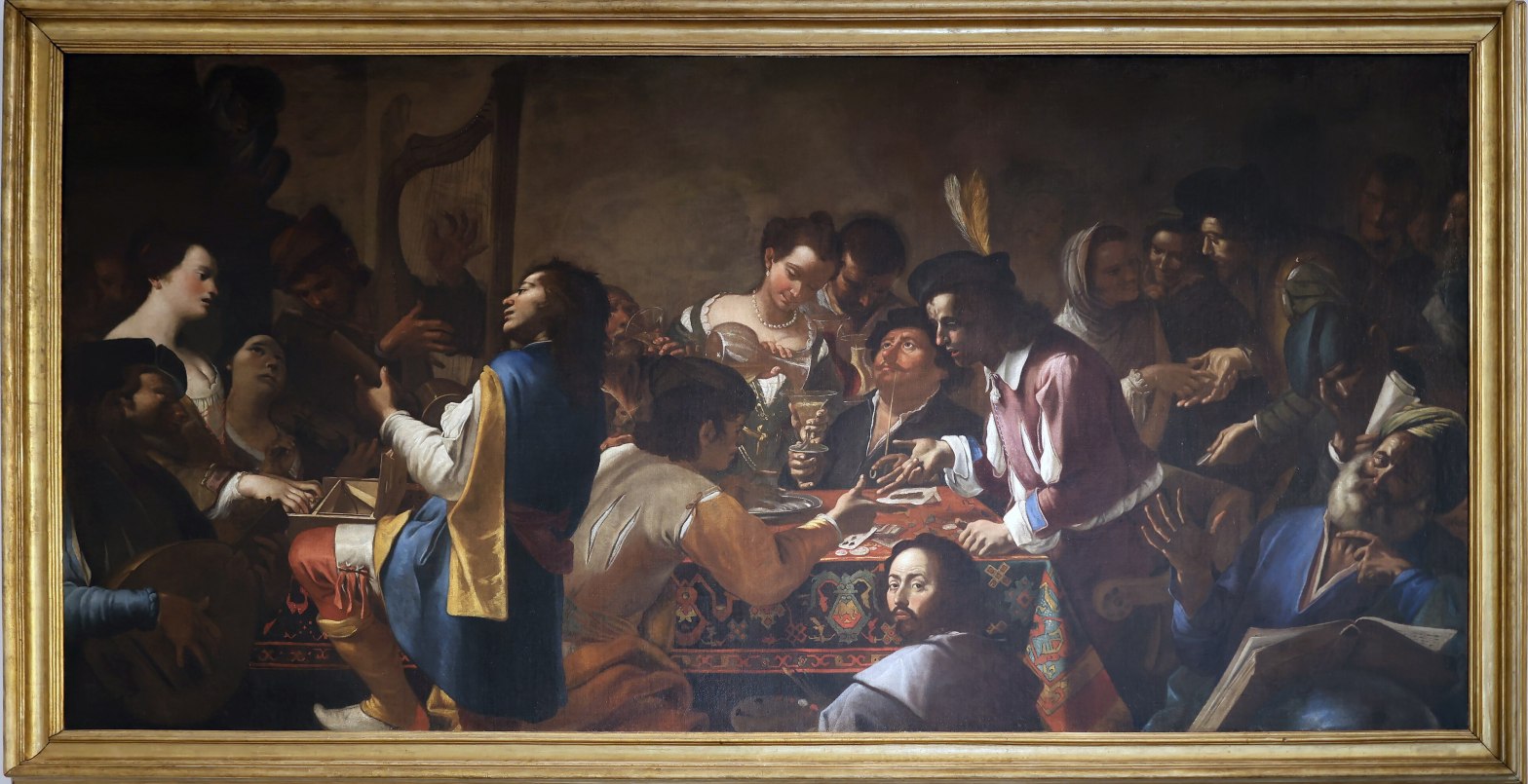
The Senses as a Subject When Gregorio and Mattia Preti painted their first Allegory of the Five Senses in Rome during the 1630s, they were taking up a subject with a long history. Sight, hearing, smell, taste and touch had been represented individually and in cycles since the Middle Ages, and by the sixteenth centuryContinue reading “Mattia and Gregorio Preti: Two Allegories of the Senses”
Tag Archives: Italian Baroque
Four Self-Portraits by Luca Giordano
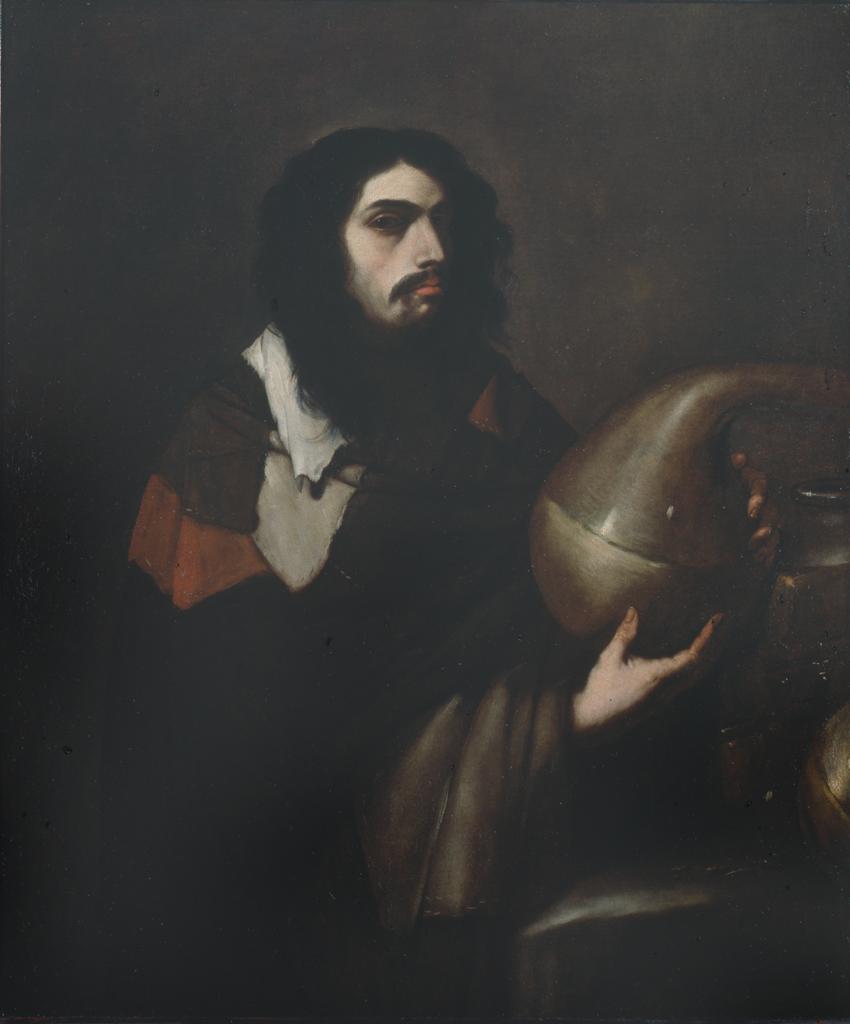
Luca Giordano, Self-Portrait as an Alchemist, c. 1660, oil on canvas, 116 × 96 cm, Pinacoteca di Brera, Milan, inv. 689. Image: © Pinacoteca di Brera, Milan – MiC. Luca Giordano returned to his own appearance throughout his long career. His earliest experiments in self-representation include Saint Luke Painting the Virgin, now in the MuseoContinue reading “Four Self-Portraits by Luca Giordano”
Games, Music and Light: Mattia Preti in Rome
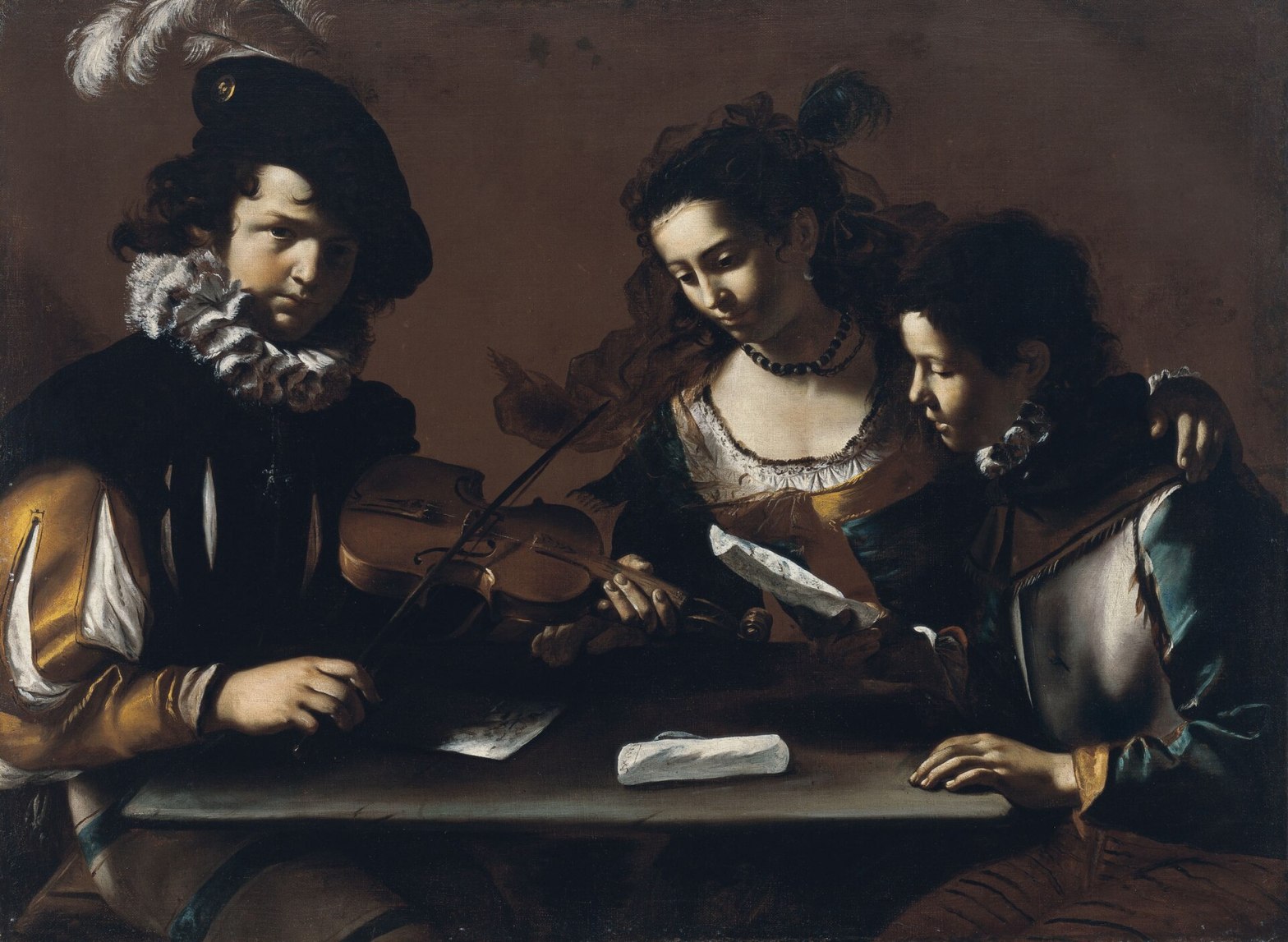
Three secular paintings by Mattia Preti, all generally assigned to his early Roman career in the first half of the 1630s, form a closely related group. Both A Concert, c. 1630–35, now in the Museo Nacional Thyssen-Bornemisza, Madrid, and the Concert in the State Hermitage Museum, St Petersburg, generally dated to the early or mid-1630s,Continue reading “Games, Music and Light: Mattia Preti in Rome”
Salvator Rosa: Portraits, Self-Portraits and the Construction of Artistic Identity
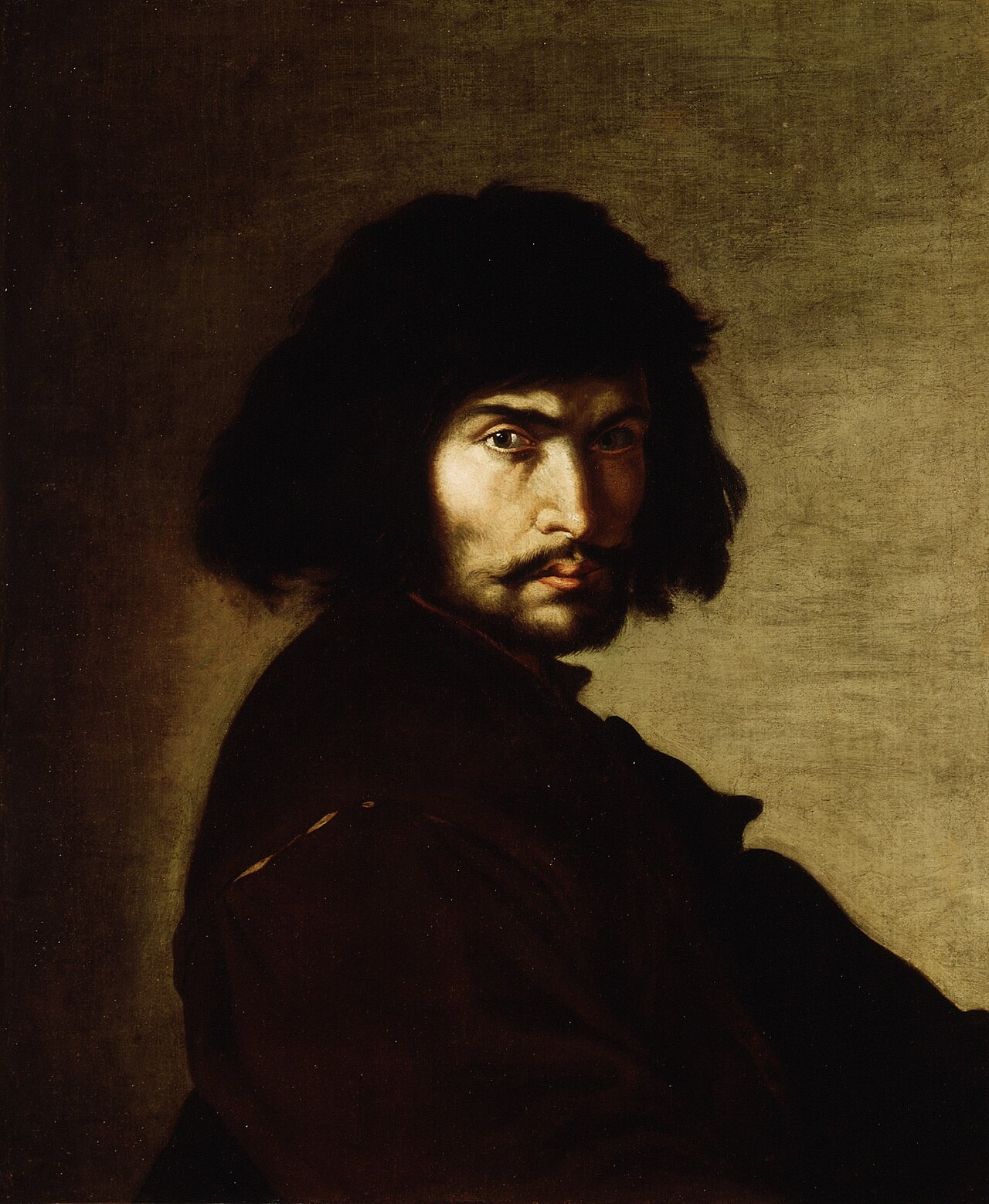
Portraiture occupies an unusual place within the work of Salvator Rosa (1615–1673). Although celebrated by his contemporaries for landscapes, battle scenes and increasingly ambitious history paintings, he repeatedly returned to images of the individual figure, producing portraits of remarkable variety and psychological intensity. Some are straightforward likenesses, others adopt theatrical or philosophical roles, while stillContinue reading “Salvator Rosa: Portraits, Self-Portraits and the Construction of Artistic Identity”
Giovanni Lanfranco (1582–1647) and the Reworking of the Annunciation
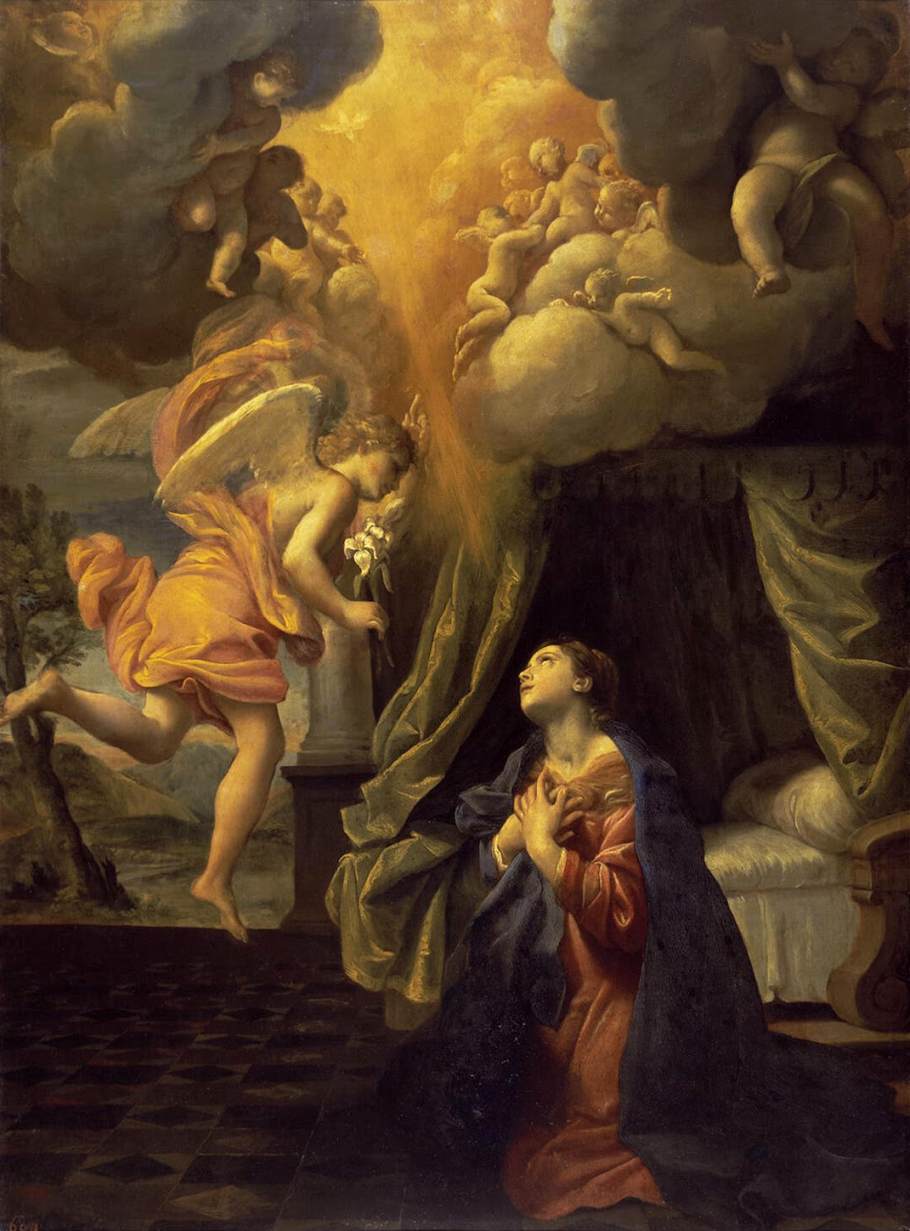
A group of three related Annunciations by Giovanni Lanfranco seems to trace the reworking of a successful invention: the small copper now in the Hermitage, the large canvas in Notre-Dame-de-Bonne-Nouvelle in Paris, and the later altarpiece in the Costaguti Chapel of Santi Biagio e Carlo ai Catinari in Rome. The precise dating of the HermitageContinue reading “Giovanni Lanfranco (1582–1647) and the Reworking of the Annunciation”
Cecco del Caravaggio: the rejected Resurrection
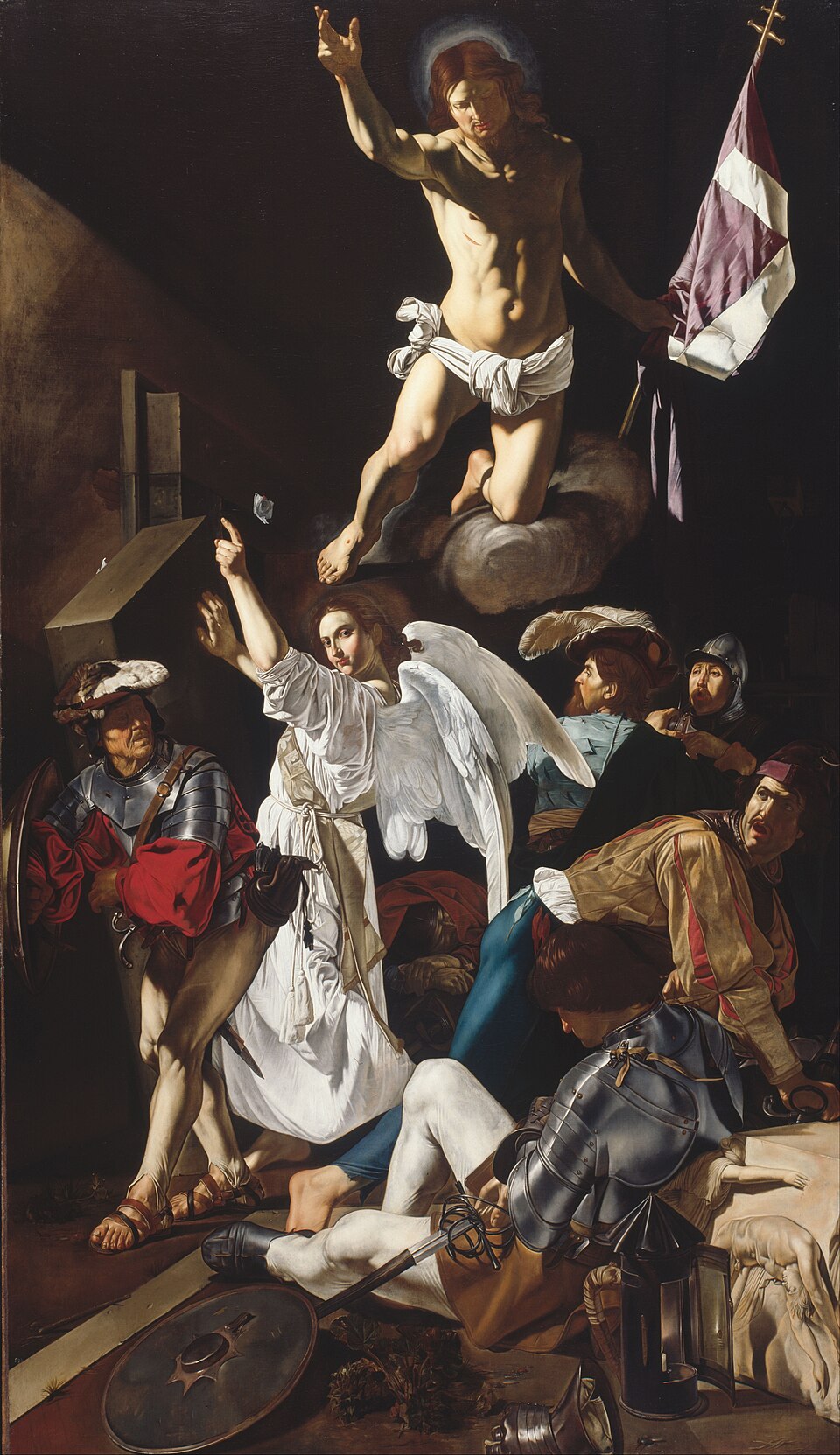
Cecco del Caravaggio remains one of the most elusive figures in the immediate wake of Caravaggio. He is usually identified with Francesco Boneri, or Buoneri, probably from Bergamo, and is repeatedly described as a painter unusually close to Caravaggio, perhaps even active around him as a model. The documents remain sparse, and the name itselfContinue reading “Cecco del Caravaggio: the rejected Resurrection”
Giovanni Antonio Galli, known as Lo Spadarino: L’angelo custode and Convito degli dei
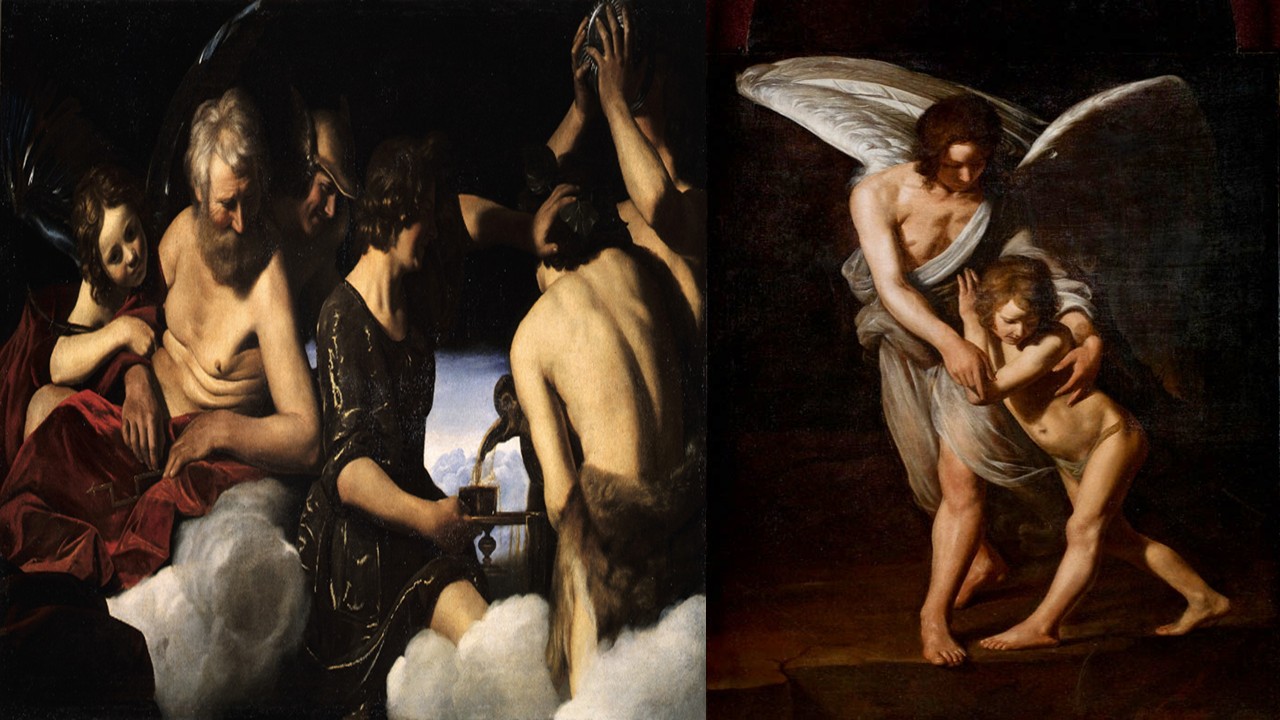
Overview The contemporary understanding of Giovanni Antonio Galli, known as lo Spadarino (Rome, 1585–1652), has been hard-won. His biography is fragmentary, his corpus remains uncertain, and much of the scholarship depends on close documentary and stylistic work. Rather than attempt a full reconstruction, this article begins from the more stable parts of his history, beforeContinue reading “Giovanni Antonio Galli, known as Lo Spadarino: L’angelo custode and Convito degli dei”
“The Sublime Heights of Laurels and of Parnassus”: Domenico Zampieri, Il Domenichino (1581–1641)
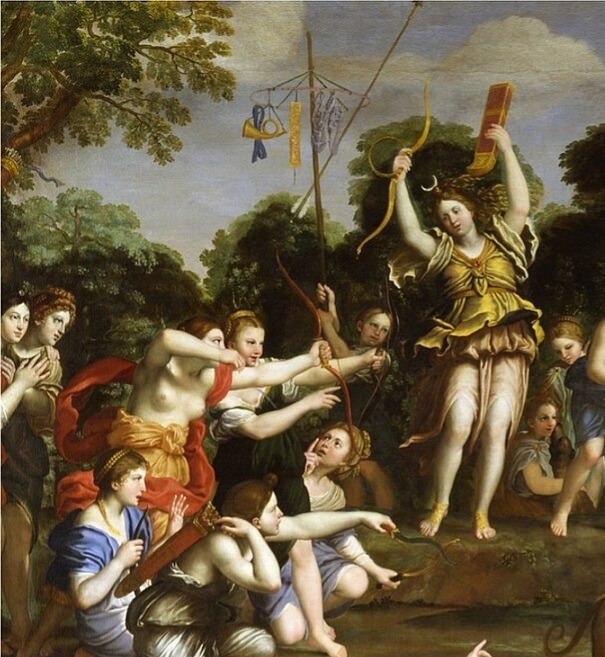
“Anyone, however, who considered only his lengthy contemplation of things might easily have judged him to be slow and lacking a natural gift, but when he was resolved in his mind and his art, then, with the muses leading him by the hand, he ascended to the sublime heights of laurels and of Parnassus.” GiovanContinue reading ““The Sublime Heights of Laurels and of Parnassus”: Domenico Zampieri, Il Domenichino (1581–1641)”

