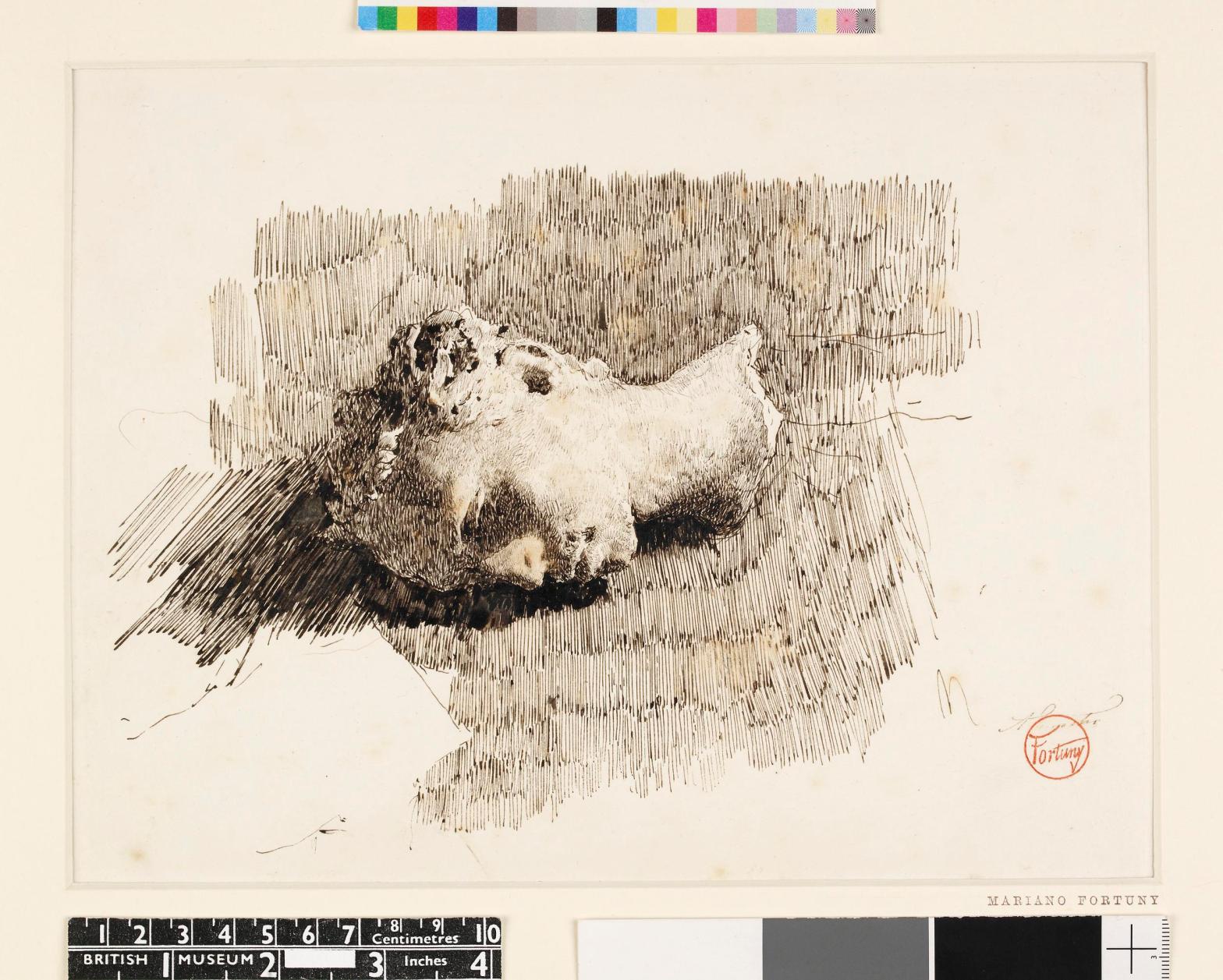
Mariano Fortuny, Plaster head of Francesco Paolo Michetti by Vincenzo Gemito, undated, before 1874, pen and brown ink on paper, 21.1 × 30 cm, British Museum, London. © The Trustees of the British Museum. CC BY-NC-SA 4.0. One reality, several ways of seeing Mariano Fortuny’s drawing of Vincenzo Gemito’s plaster portrait of Francesco Paolo MichettiContinue reading “Francesco Paolo Michetti and the Investigation of the Visible”
Tag Archives: photography
Giacomo Balla: From Divisionism to the Futurist Universe (Part One, Divisionism and the Photographic Real)
A note on images For reasons of copyright, I have not reproduced most of the works discussed in the text. Instead, each article is followed by a short gallery of selected works, with links to museum, collection or institutional pages where images can be viewed. Other works mentioned in the essay may also be foundContinue reading “Giacomo Balla: From Divisionism to the Futurist Universe (Part One, Divisionism and the Photographic Real)”
Giacomo Balla: From Divisionism to the Futurist Universe (Part Two, Futurism: Light, Speed and Force)
A note on images For reasons of copyright, I have not reproduced most of the works discussed in the text. Instead, each article is followed by a short gallery of selected works, with links to museum, collection or institutional pages where images can be viewed. Other works mentioned in the essay may also be foundContinue reading “Giacomo Balla: From Divisionism to the Futurist Universe (Part Two, Futurism: Light, Speed and Force)”
Irreversible Consequences: Mancini and Manet
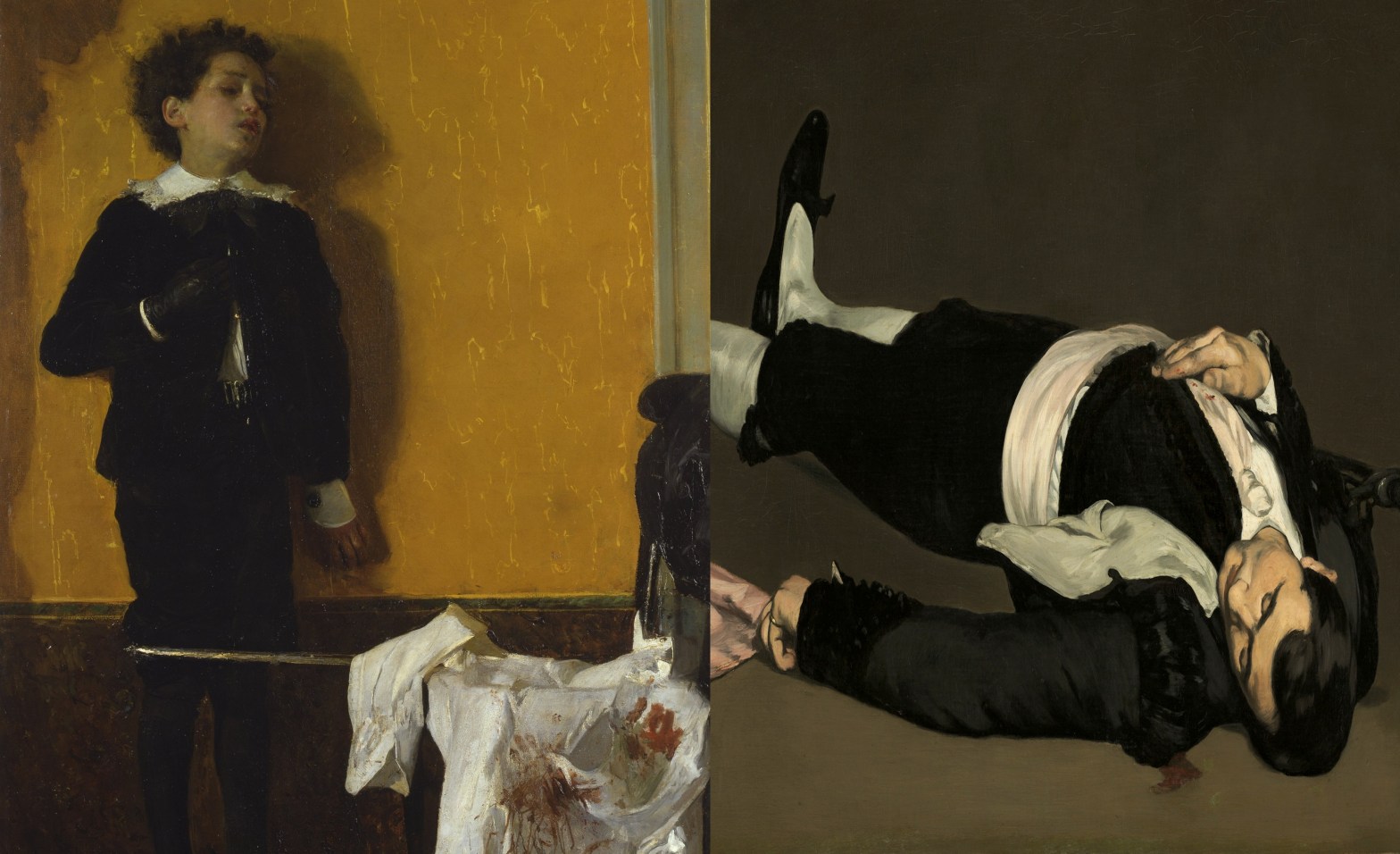
(Credit: Wikimedia Commons). At first glance, Antonio Mancini’s Dopo il duello (1872) and Édouard Manet’s Dead Toreador (c. 1864; exhibited independently as L’Homme mort in 1867) appear to belong to quite different pictorial worlds. Mancini’s painting centres on the frightened reaction of a child confronted with the aftermath of a duel, while Manet’s image presentsContinue reading “Irreversible Consequences: Mancini and Manet”
Francesco Lojacono and the Changing Vision of Sicily
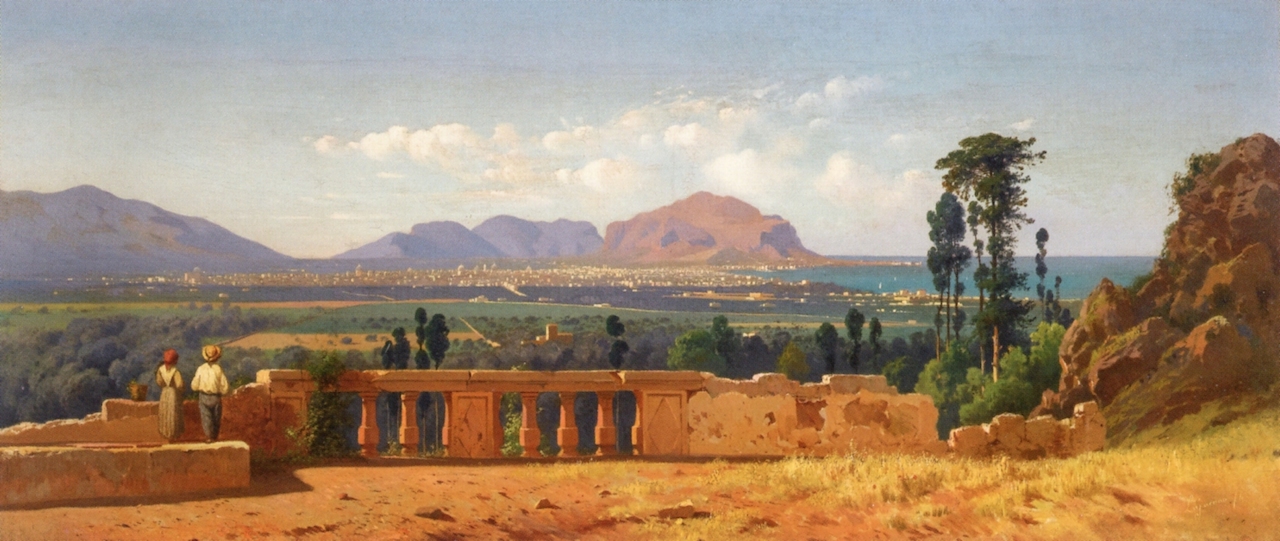
Francesco Lojacono (1838–1915), Palermo e il Monte Pellegrino da un terrazzo, 1874, oil on canvas, Novosibirsk State Fine Arts Museum. (Credit: Wikimedia Commons). Francesco Lojacono (Palermo, 1838–1915) occupies a central place in the history of nineteenth-century Italian landscape painting. Working for more than half a century, he transformed the representation of the Sicilian countryside fromContinue reading “Francesco Lojacono and the Changing Vision of Sicily”
Giacinto Gigante (1806 to 1876): landscape regenerated from within.
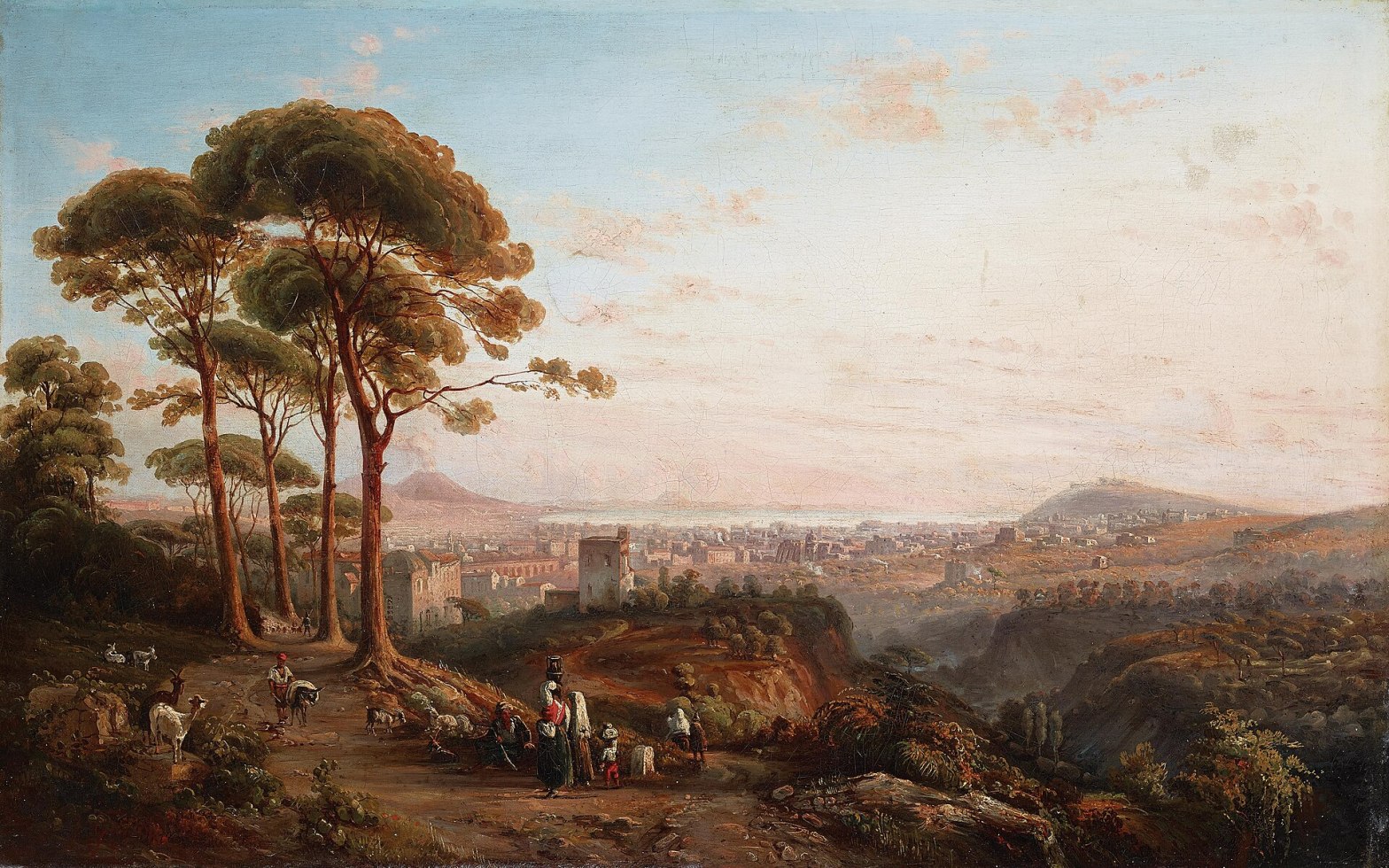
Giacinto Gigante, Veduta di Napoli dalla Conocchia, before 1876, oil on canvas, 37.5 × 60 cm. (Credit: Wikimedia Commons). (Credit: Wikimedia Commons / Museo Nazionale di San Martino, Naples). Born in Naples in July 1806 to Gaetano Gigante and Anna Maria Fatati, Giacinto Gigante grew up in an artistic household. Around 1801, his parents hadContinue reading “Giacinto Gigante (1806 to 1876): landscape regenerated from within.”
Giuseppe De Nittis: Light, Air and Modern Life.
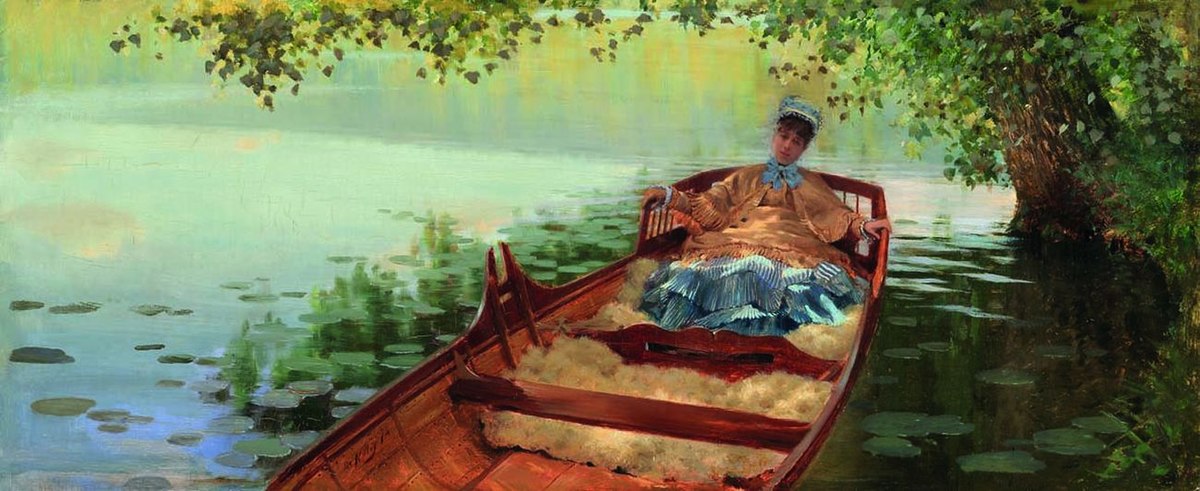
Léontine in canotto/ Léontine in a rowing boat (1874), oil on panel, 24×54 cm, Private collection. Self-Portrait (ca.1883) Pastel on canvas, 114×88 cm, Palazzo della Marra, Barletta. (Credit: Wikimedia Commons). Giuseppe De Nittis: “A happy man who would have wished everyone around him to be equally happy.” Jeanne Mairet, Souvenirs, 1907. De Nittis was aContinue reading “Giuseppe De Nittis: Light, Air and Modern Life.”

