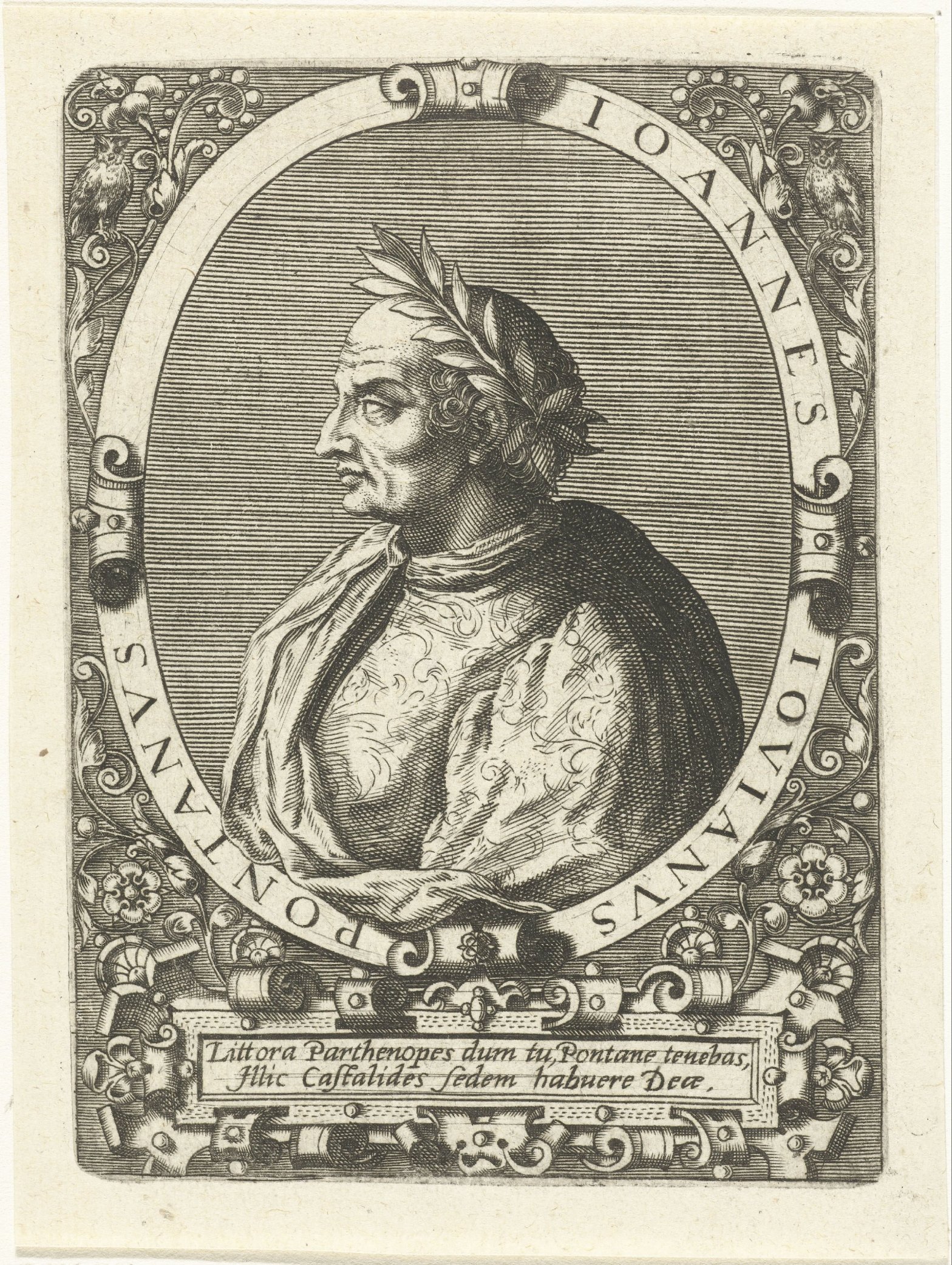
Theodor de Bry, Portrait of Giovanni Gioviano Pontano, c. 1597–99, engraving from Jean-Jacques Boissard, Icones virorum illustrium. Image credit: Rijksmuseum. The inscriptions of the Pontano Chapel cannot be understood fully from their words alone. To a Renaissance humanist, epigraphy carried associations with the recovery of antiquity, philological scholarship, education, social and intellectual distinction, and theContinue reading “Hidden in Plain Sight IV. The Pontano Chapel: The Authority of Inscription — Pontano and Renaissance Epigraphy”
Category Archives: Uncategorized
Hidden in Plain Sight III. The Pontano Chapel: Public Counsel and the Written Monument
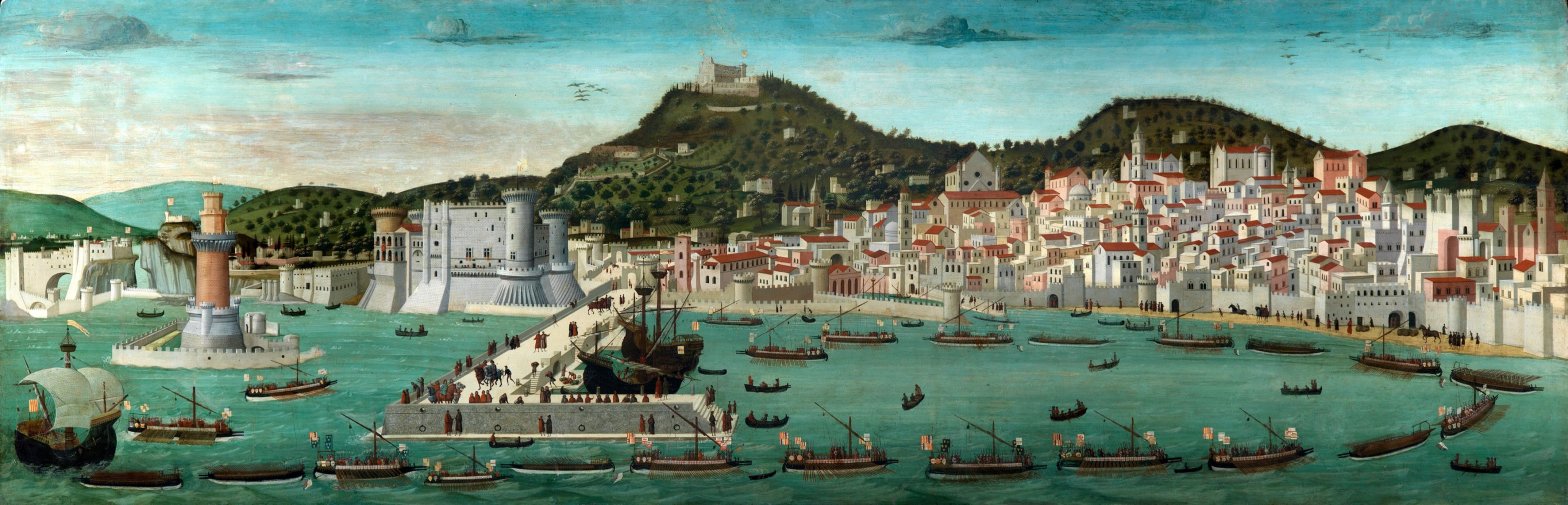
An ageing counsellor and a public monument The exterior of the Pontano Chapel carries twelve sententiae concerned with government, public conduct and the formation of character. Before examining the tablets individually, this series will first consider the political circumstances in which they were created and then the Renaissance culture of epigraphy within which they wereContinue reading “Hidden in Plain Sight III. The Pontano Chapel: Public Counsel and the Written Monument”
Hidden in Plain Sight II. The Pontano Chapel: Aegidius, Memorial and the Later Pontano
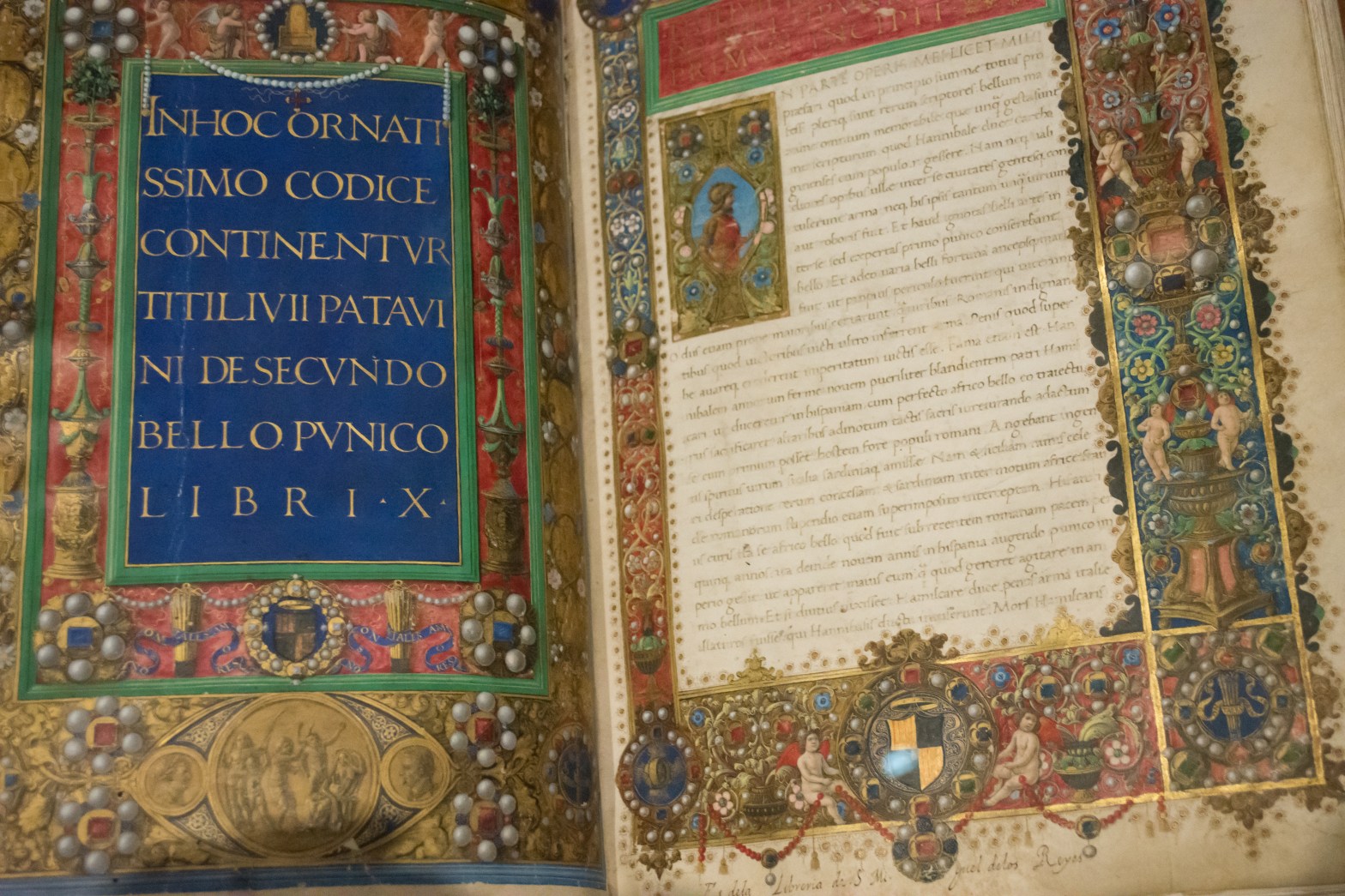
Written around 1501–3, during the last years of Giovanni Pontano’s life, the humanist dialogue Aegidius belongs to a period marked by an accumulating sense of loss. That process had begun more than a decade earlier with the death of his wife, Adriana Sassone, on 1 March 1490. Permission to construct the Pontano Chapel was grantedContinue reading “Hidden in Plain Sight II. The Pontano Chapel: Aegidius, Memorial and the Later Pontano”
Hidden in Plain Sight I: The Pontano Chapel. Architecture, Rhetoric and Memory
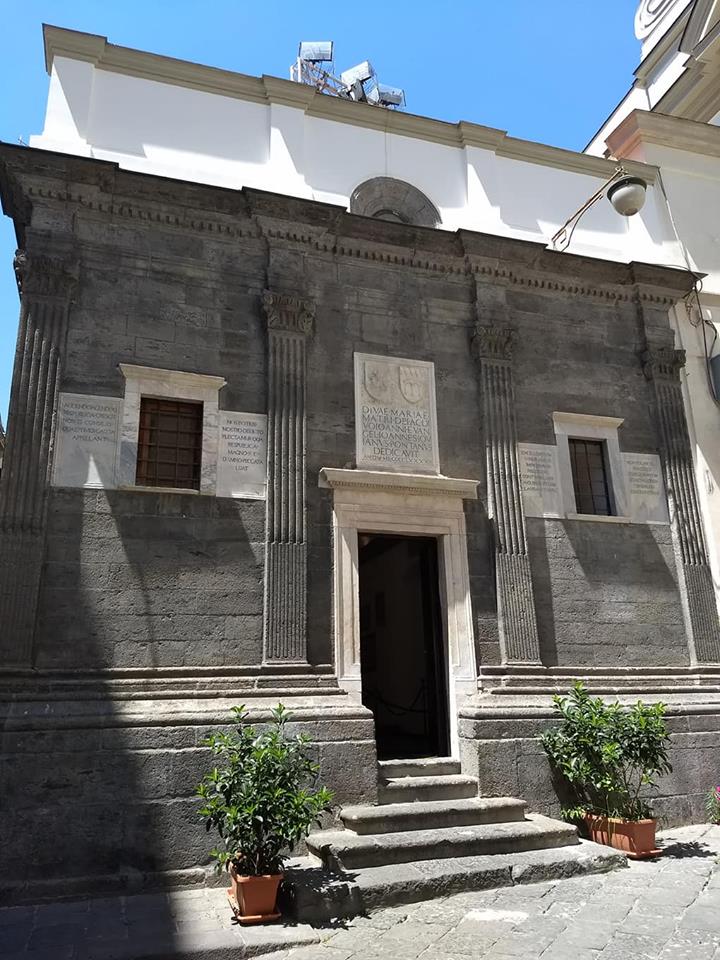
The Pontano Chapel stands on the Via dei Tribunali, one of the busiest and most historically dense streets in Naples. It is not hidden, yet it is remarkably easy to pass without understanding what it is. Its grey piperno exterior is austere, its Latin inscriptions are inaccessible to many viewers, and the intellectual culture thatContinue reading “Hidden in Plain Sight I: The Pontano Chapel. Architecture, Rhetoric and Memory”
Salvator Rosa: Portraits, Self-Portraits and the Construction of Artistic Identity
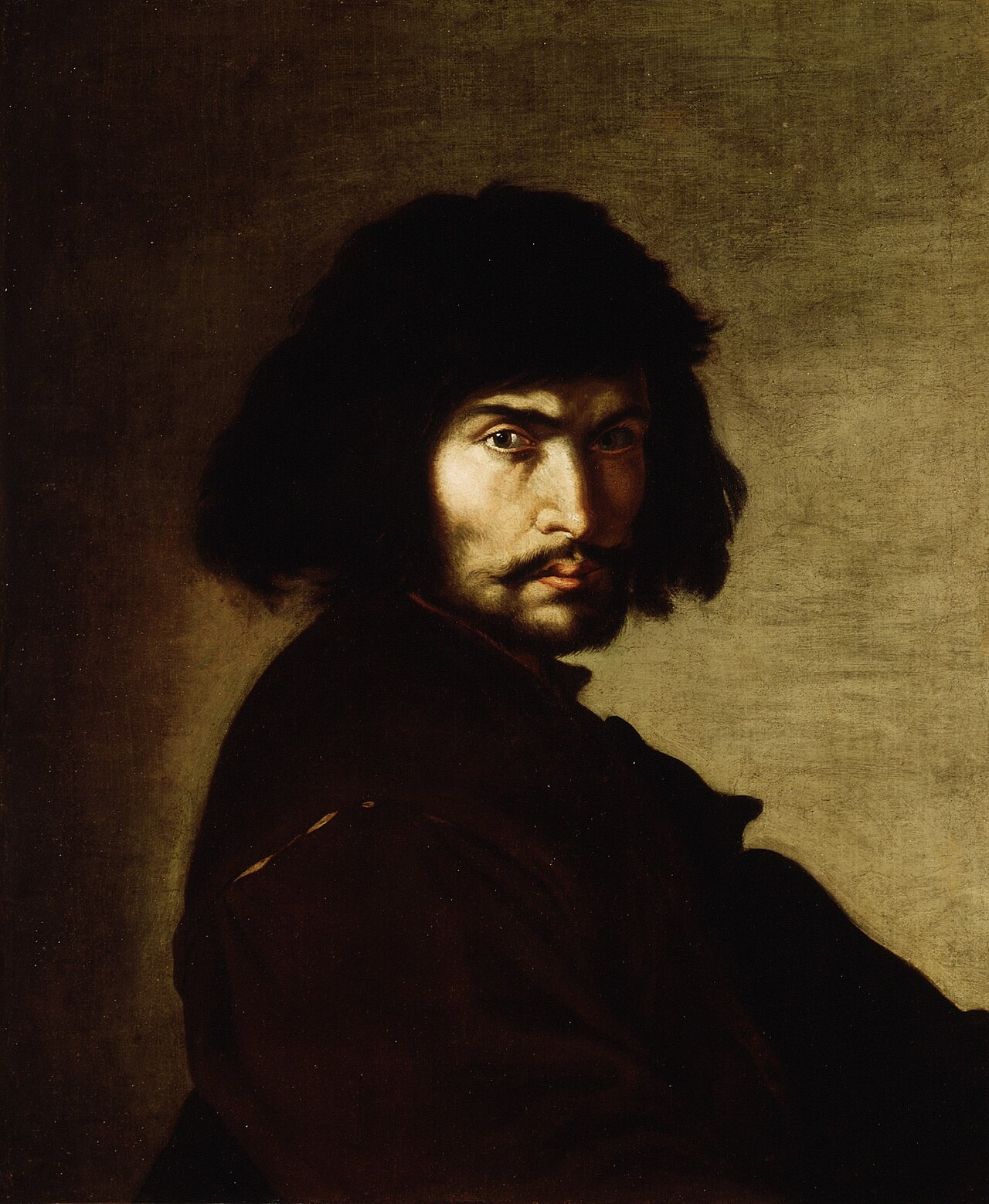
Portraiture occupies an unusual place within the work of Salvator Rosa (1615–1673). Although celebrated by his contemporaries for landscapes, battle scenes and increasingly ambitious history paintings, he repeatedly returned to images of the individual figure, producing portraits of remarkable variety and psychological intensity. Some are straightforward likenesses, others adopt theatrical or philosophical roles, while stillContinue reading “Salvator Rosa: Portraits, Self-Portraits and the Construction of Artistic Identity”
Piero di Cosimo’s Portrait of Simonetta Vespucci: Memory and Invention
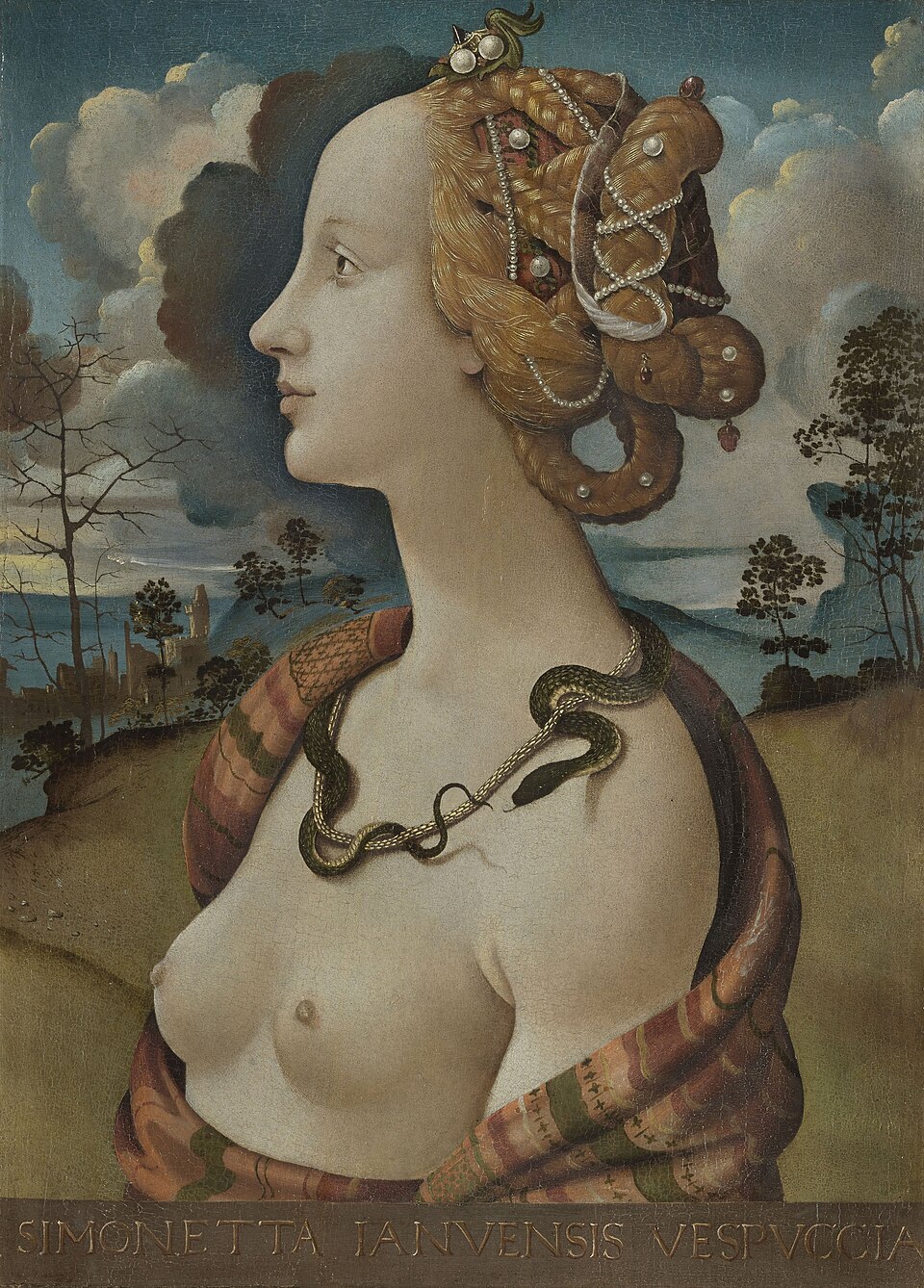
A young woman appears in strict profile against a landscape darkening beneath storm clouds. Her pale face is calm and remote, her elaborately plaited hair threaded with pearls and precious stones. Her breasts are uncovered, and around her neck a living serpent winds itself through a gold chain. Along the lower edge of the panel,Continue reading “Piero di Cosimo’s Portrait of Simonetta Vespucci: Memory and Invention”
“Lost in Like but Separate Dreams”: Tullio Lombardo’s Double Portrait and Bacchus and Ariadne
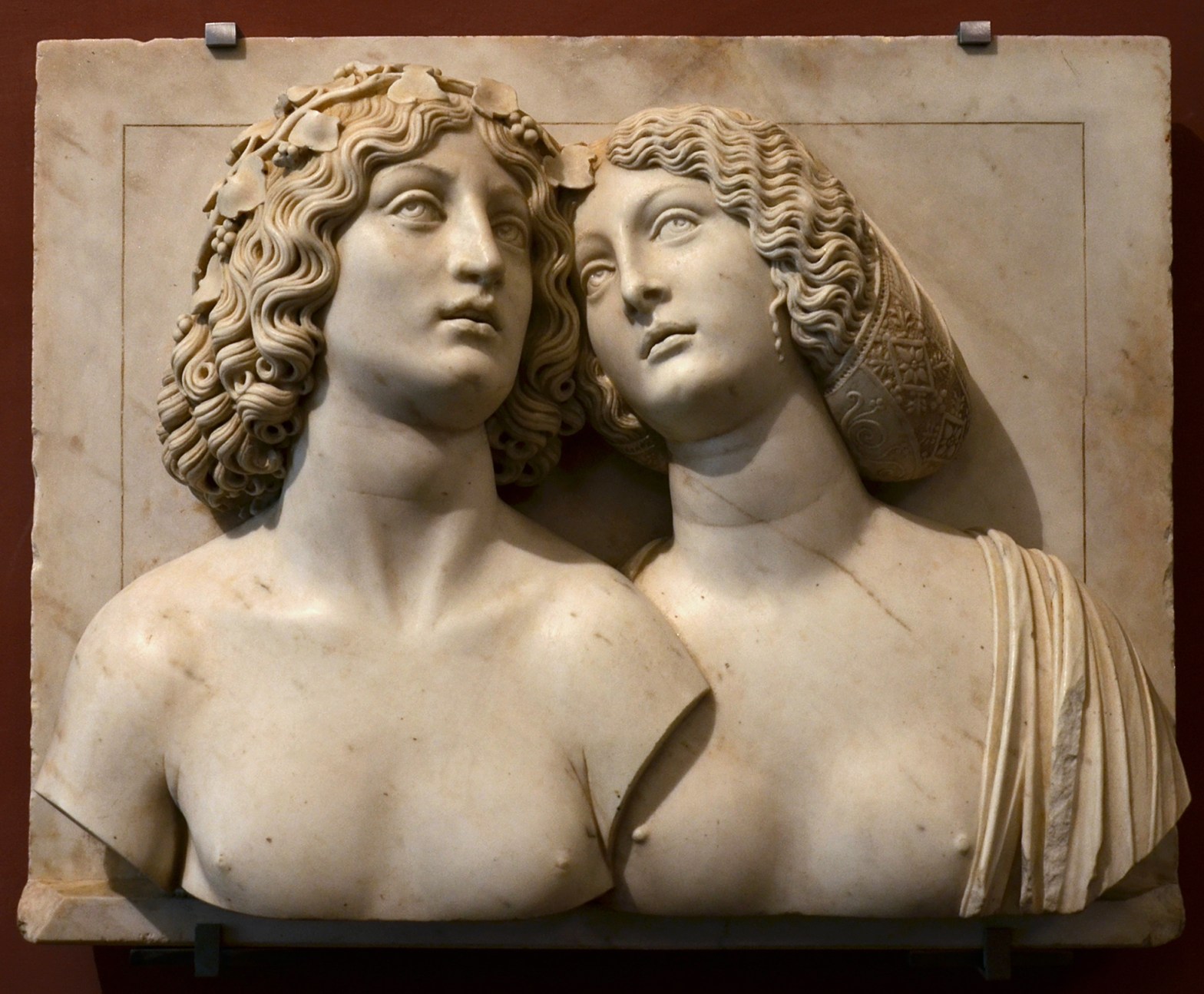
Tullio Lombardo, born around the middle of the fifteenth century and active until his death in Venice in 1532, belonged to one of the leading family workshops of sculptors and architects in Renaissance Venice. He trained and worked alongside his father, Pietro Lombardo, and his younger brother Antonio, contributing to major architectural and funerary commissionsContinue reading ““Lost in Like but Separate Dreams”: Tullio Lombardo’s Double Portrait and Bacchus and Ariadne”
Two Women in White: Whistler’s Symphony in White, No. 2 and De Nittis’s Giornata d’inverno
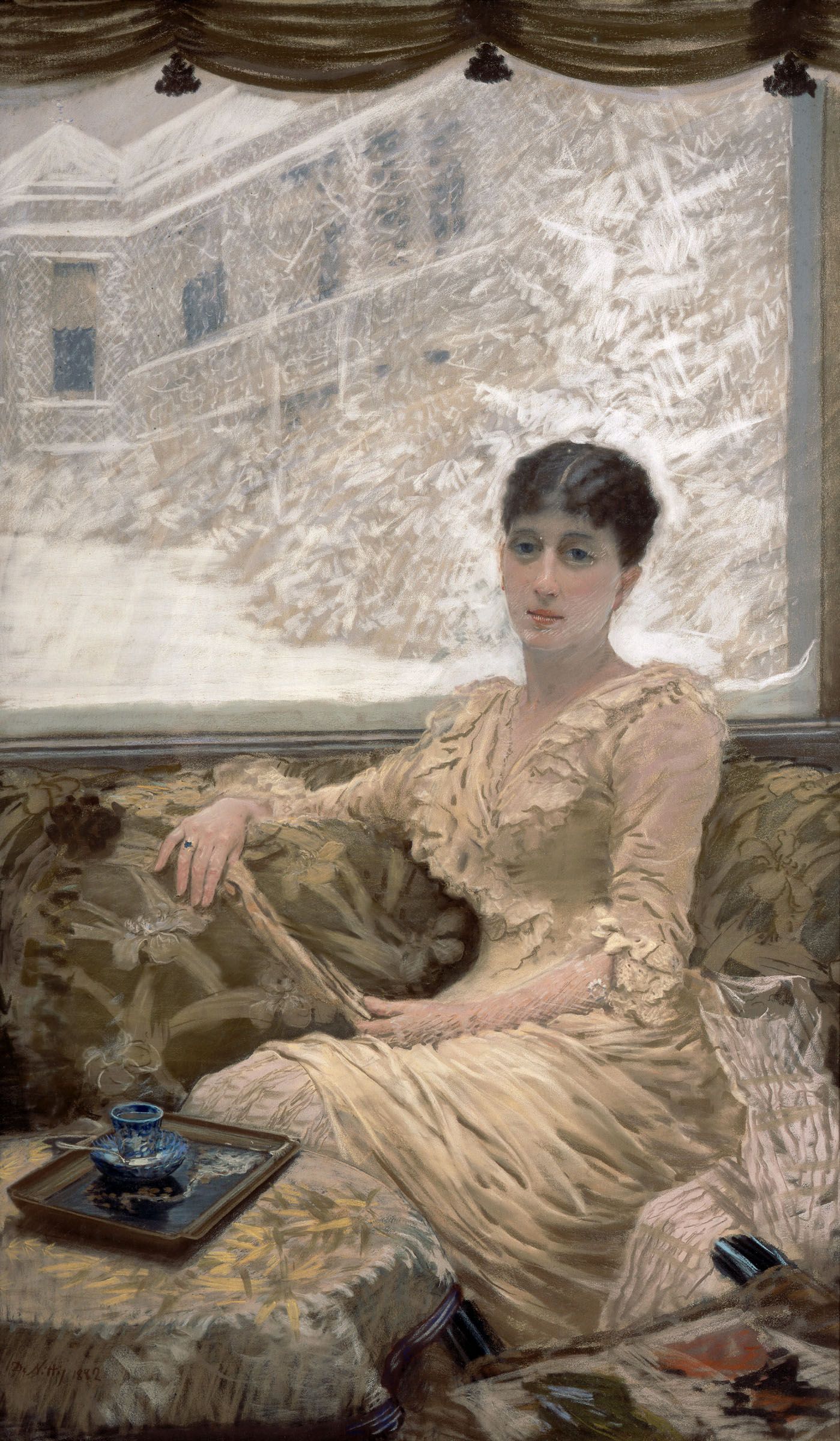
This essay brings together Giuseppe De Nittis’s Giornata d’inverno. Ritratto della signora De Nittis of 1882 and James McNeill Whistler’s Symphony in White, No. 2: The Little White Girl of 1864 as an accostamento: a juxtaposition of two works that share a contextual affinity. They are separated by nearly two decades. Yet Edmond de Goncourt’sContinue reading “Two Women in White: Whistler’s Symphony in White, No. 2 and De Nittis’s Giornata d’inverno”
Polidoro da Caravaggio (c. 1499–1543): Studies for an Annunciation

Two small roundels, the Angelo annunciante and the Vergine annunciata, painted in Naples in 1527–28 and now in the Museo e Real Bosco di Capodimonte, are closely connected with a double-sided sheet of red-chalk studies of approximately the same date, now in the Fitzwilliam Museum, Cambridge. Together, the drawings and paintings offer an unusually concentratedContinue reading “Polidoro da Caravaggio (c. 1499–1543): Studies for an Annunciation”
Joseph Rebell (1787–1828): Observed Nature and Romantic Imagination
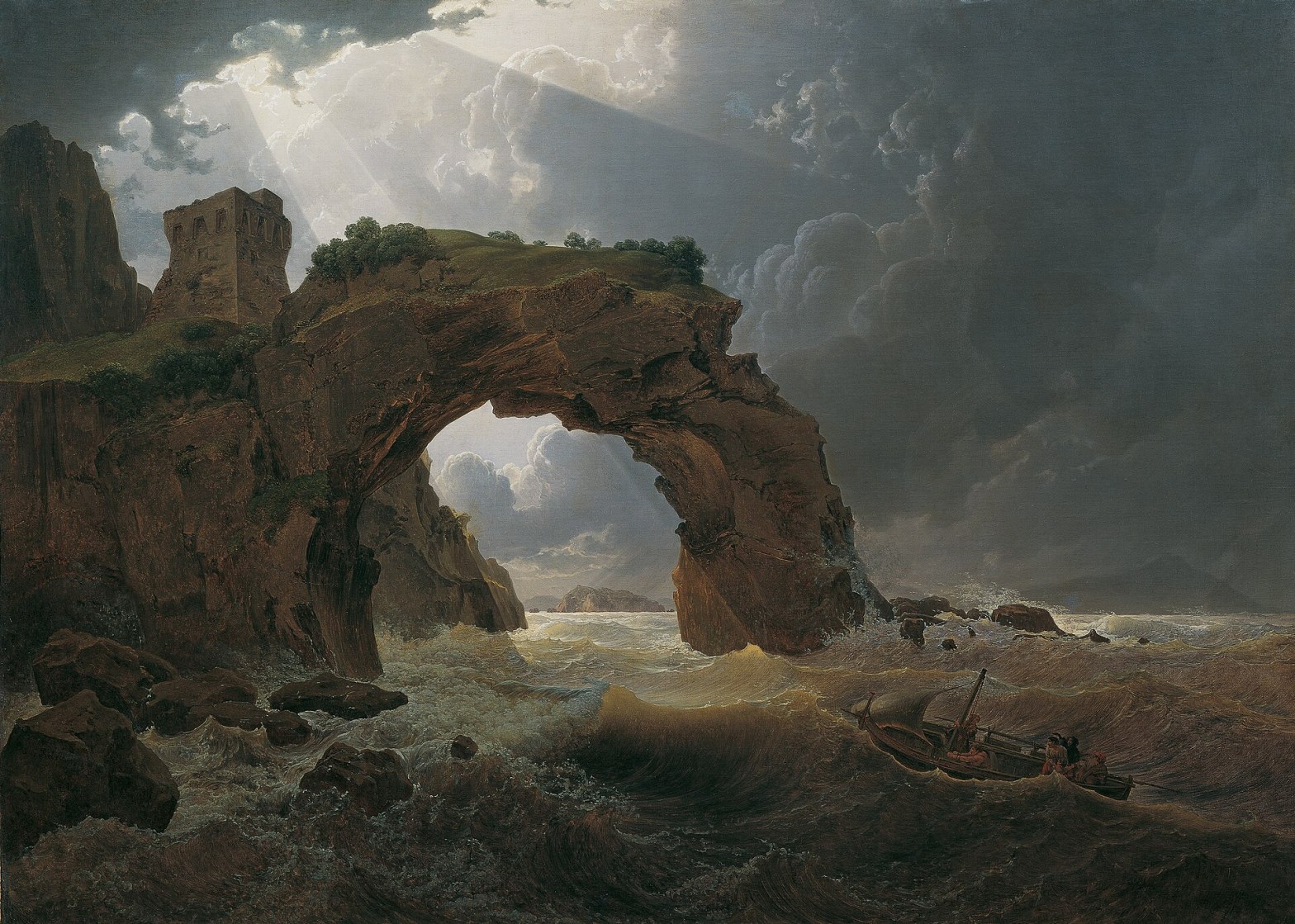
Joseph Rebell’s Neapolitan landscapes range from carefully observed views of royal residences and coastal sites to more dramatic paintings of storms, shipwrecks and volcanic light. The three works considered here belong to this second group: Mareggiata al Fusaro of 1819, Burrasca al chiaro di luna nel Golfo di Napoli of 1822 and Burrasca al tramontoContinue reading “Joseph Rebell (1787–1828): Observed Nature and Romantic Imagination”

