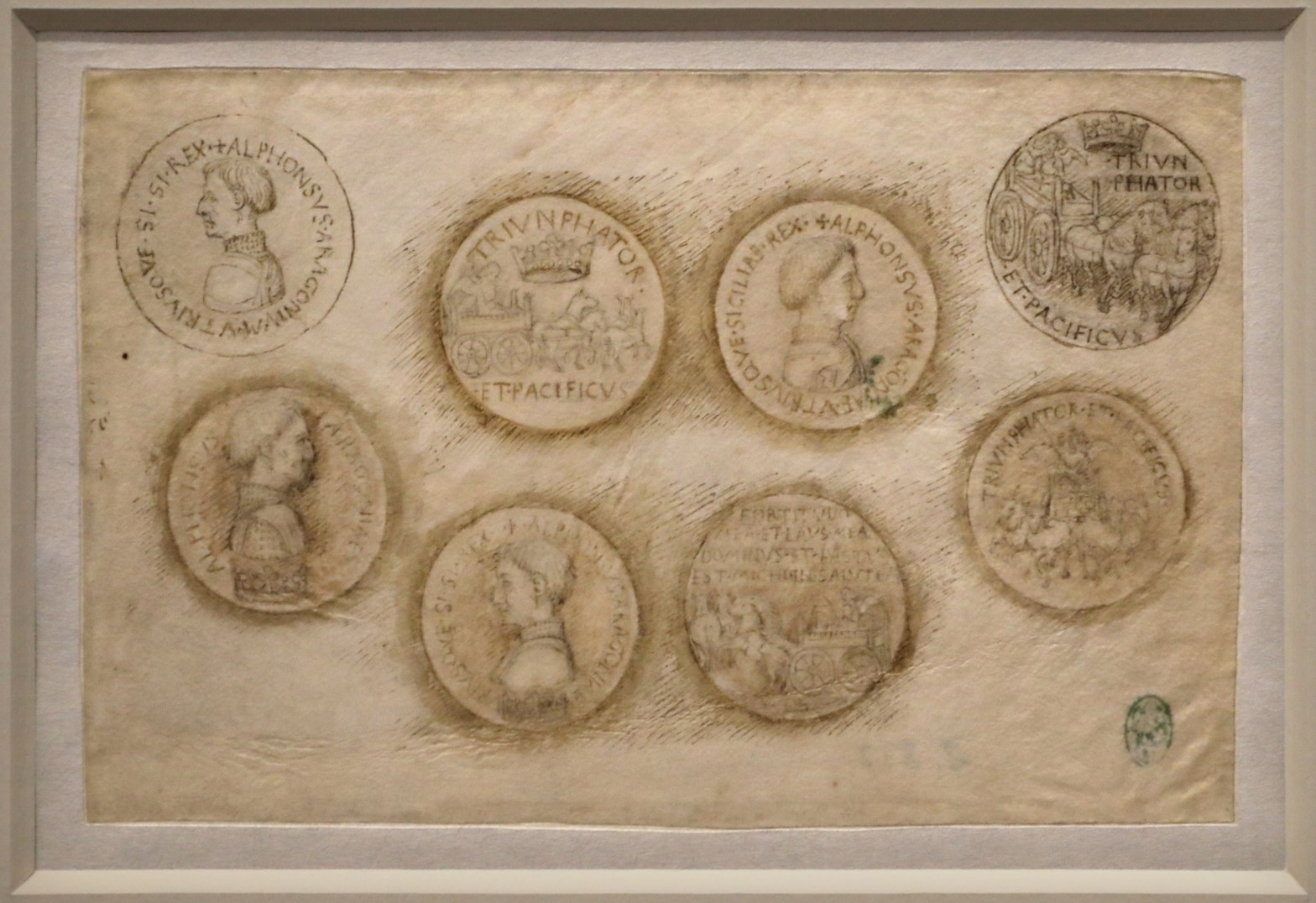
Pisanello, studies for the obverse and reverse of four medals of Alfonso V of Aragon, 1449. Pen and brown ink with ochre wash over metalpoint. Musée du Louvre, Paris, inv. 2317. Image: Wikimedia Commons / Musée du Louvre, Département des Arts Graphiques. The interior as a different kind of text The inscriptions on the exteriorContinue reading “Hidden in Plain Sight VI. Inside the Pontano Chapel”
Tag Archives: Pontano Chapel
Hidden in Plain Sight V. The Pontano Chapel: The Counsel of Stone — The Twelve Exterior Inscriptions
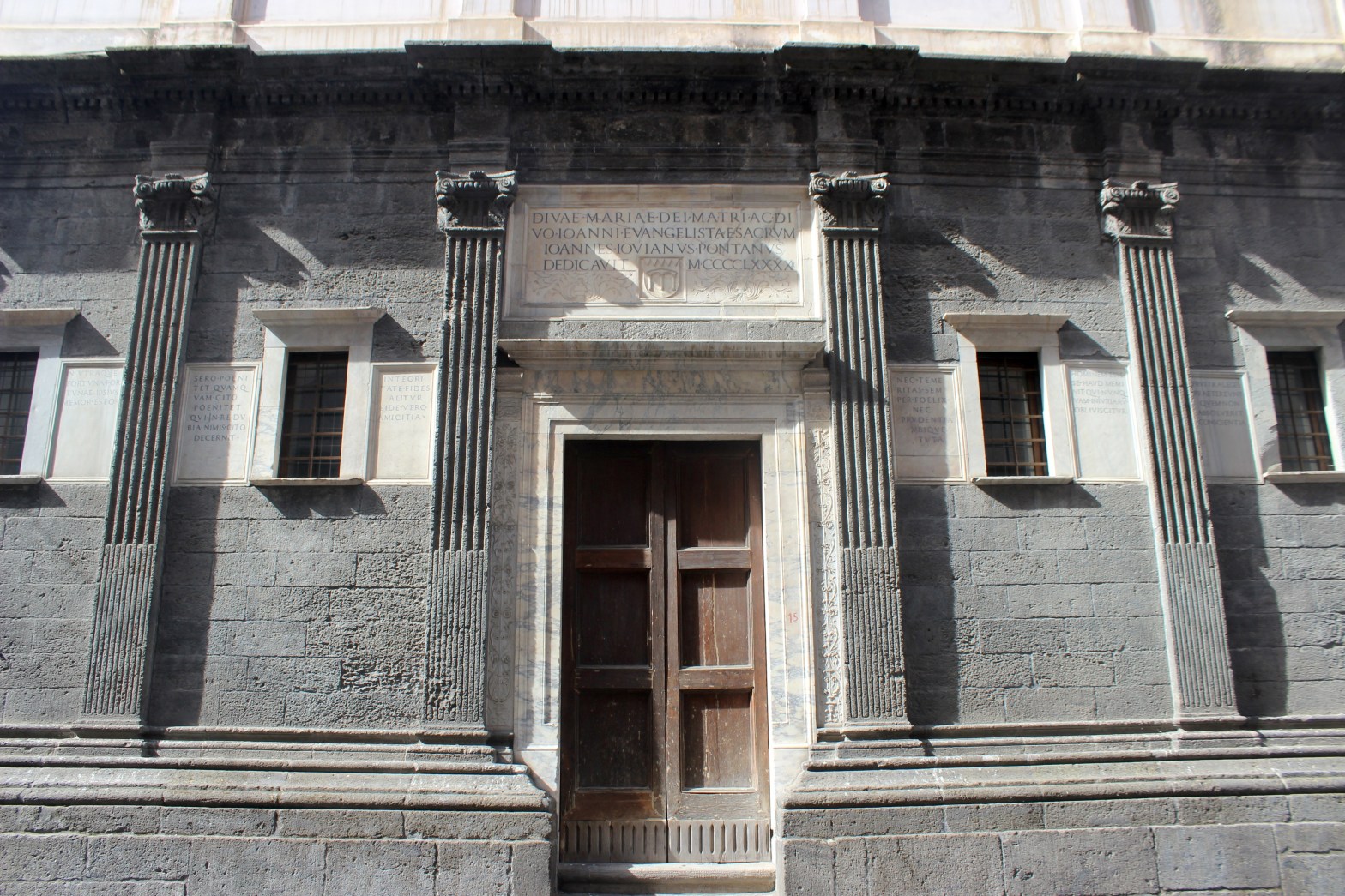
Pontano Chapel, Naples, exterior, 1490–92. Photograph: Miguel Hermoso Cuesta. Credit: Wikimedia Commons. Reading the inscriptions For convenience, the discussion follows the tablets from the façade along Via dei Tribunali and then around onto the side facing Piazzetta Pietrasanta, beside the campanile of Santa Maria Maggiore alla Pietrasanta. This corresponds to one natural route of approachContinue reading “Hidden in Plain Sight V. The Pontano Chapel: The Counsel of Stone — The Twelve Exterior Inscriptions”
Hidden in Plain Sight IV. The Pontano Chapel: The Authority of Inscription — Pontano and Renaissance Epigraphy
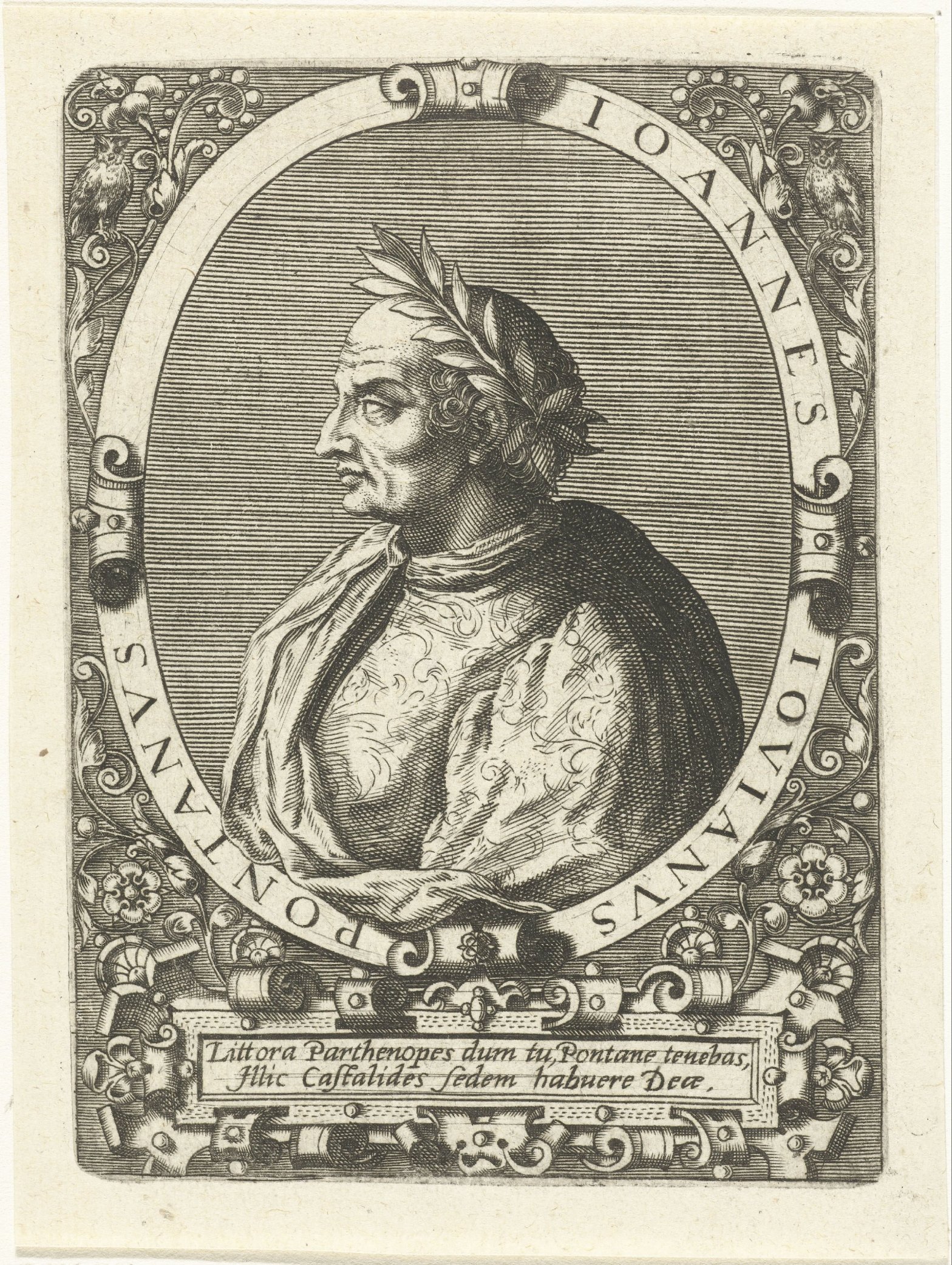
Theodor de Bry, Portrait of Giovanni Gioviano Pontano, c. 1597–99, engraving from Jean-Jacques Boissard, Icones virorum illustrium. Image credit: Rijksmuseum. The inscriptions of the Pontano Chapel cannot be understood fully from their words alone. To a Renaissance humanist, epigraphy carried associations with the recovery of antiquity, philological scholarship, education, social and intellectual distinction, and theContinue reading “Hidden in Plain Sight IV. The Pontano Chapel: The Authority of Inscription — Pontano and Renaissance Epigraphy”
Hidden in Plain Sight III. The Pontano Chapel: Public Counsel and the Written Monument
An ageing counsellor and a public monument The exterior of the Pontano Chapel carries twelve sententiae concerned with government, public conduct and the formation of character. Before examining the tablets individually, this series will first consider the political circumstances in which they were created and then the Renaissance culture of epigraphy within which they wereContinue reading “Hidden in Plain Sight III. The Pontano Chapel: Public Counsel and the Written Monument”
Hidden in Plain Sight II. The Pontano Chapel: Aegidius, Memorial and the Later Pontano
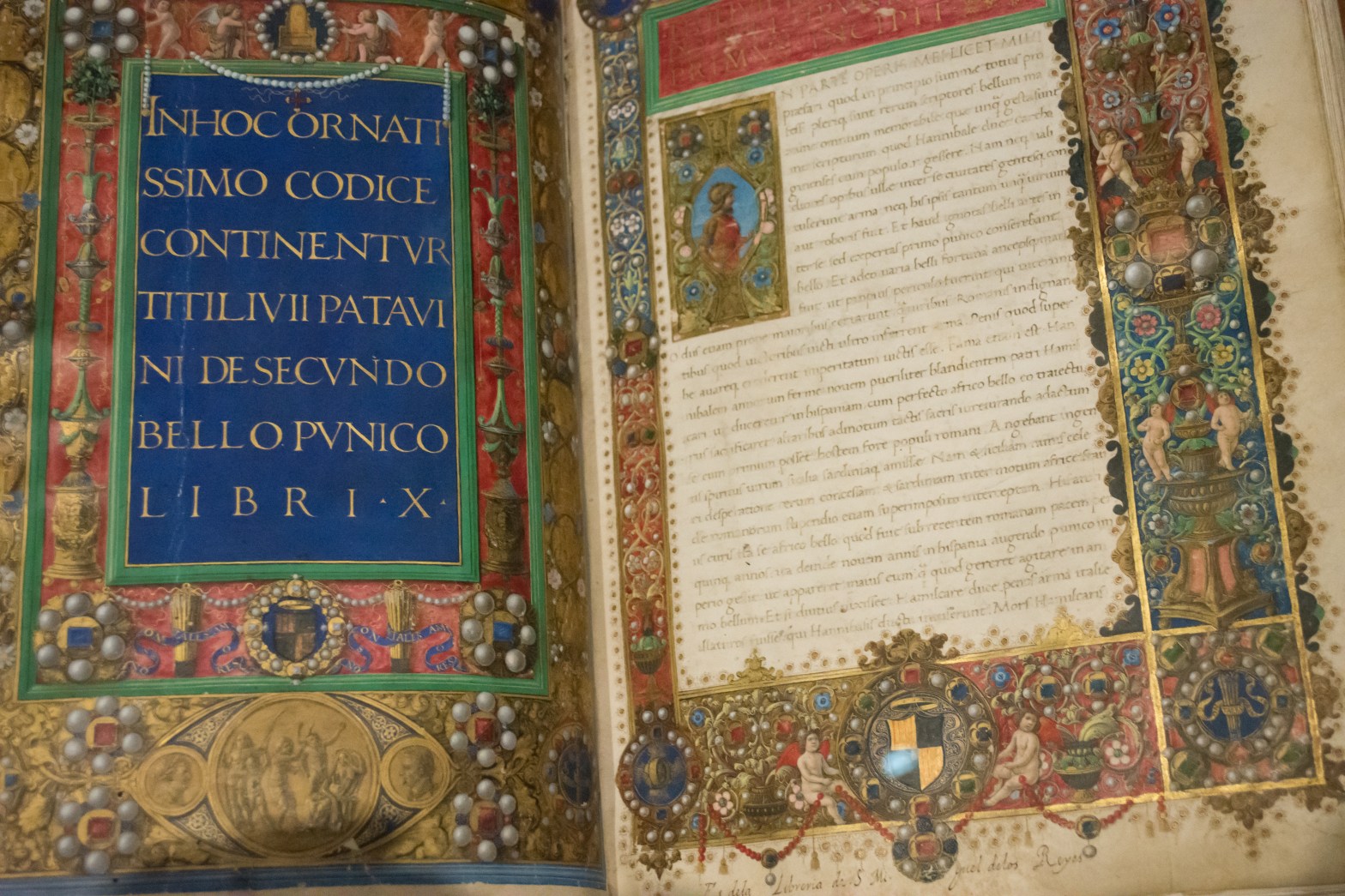
Written around 1501–3, during the last years of Giovanni Pontano’s life, the humanist dialogue Aegidius belongs to a period marked by an accumulating sense of loss. That process had begun more than a decade earlier with the death of his wife, Adriana Sassone, on 1 March 1490. Permission to construct the Pontano Chapel was grantedContinue reading “Hidden in Plain Sight II. The Pontano Chapel: Aegidius, Memorial and the Later Pontano”
Hidden in Plain Sight I: The Pontano Chapel. Architecture, Rhetoric and Memory
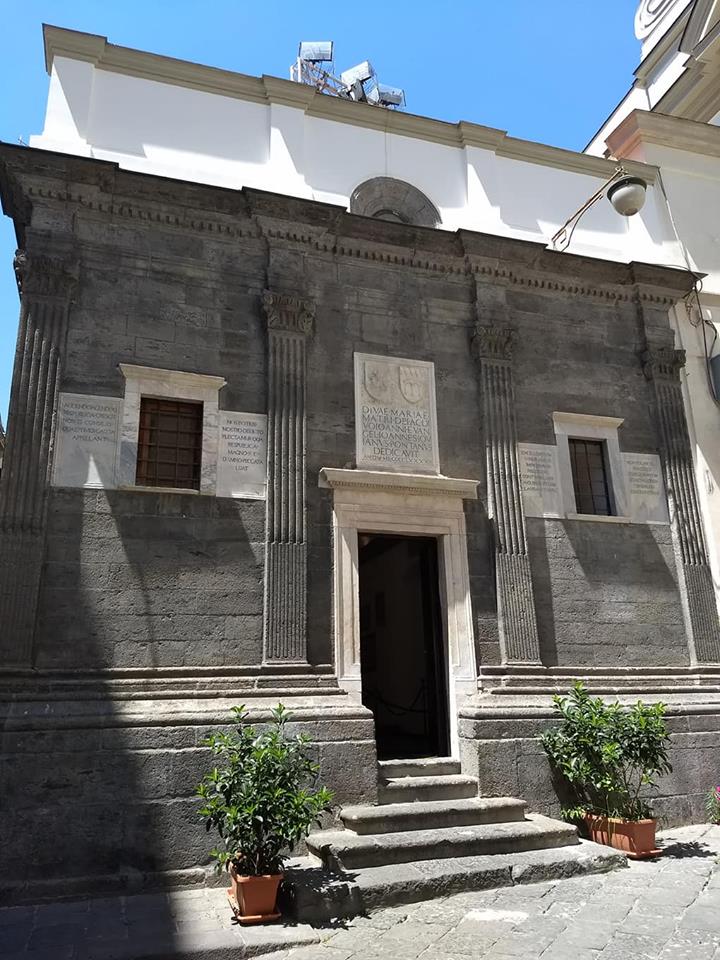
The Pontano Chapel stands on the Via dei Tribunali, one of the busiest and most historically dense streets in Naples. It is not hidden, yet it is remarkably easy to pass without understanding what it is. Its grey piperno exterior is austere, its Latin inscriptions are inaccessible to many viewers, and the intellectual culture thatContinue reading “Hidden in Plain Sight I: The Pontano Chapel. Architecture, Rhetoric and Memory”

