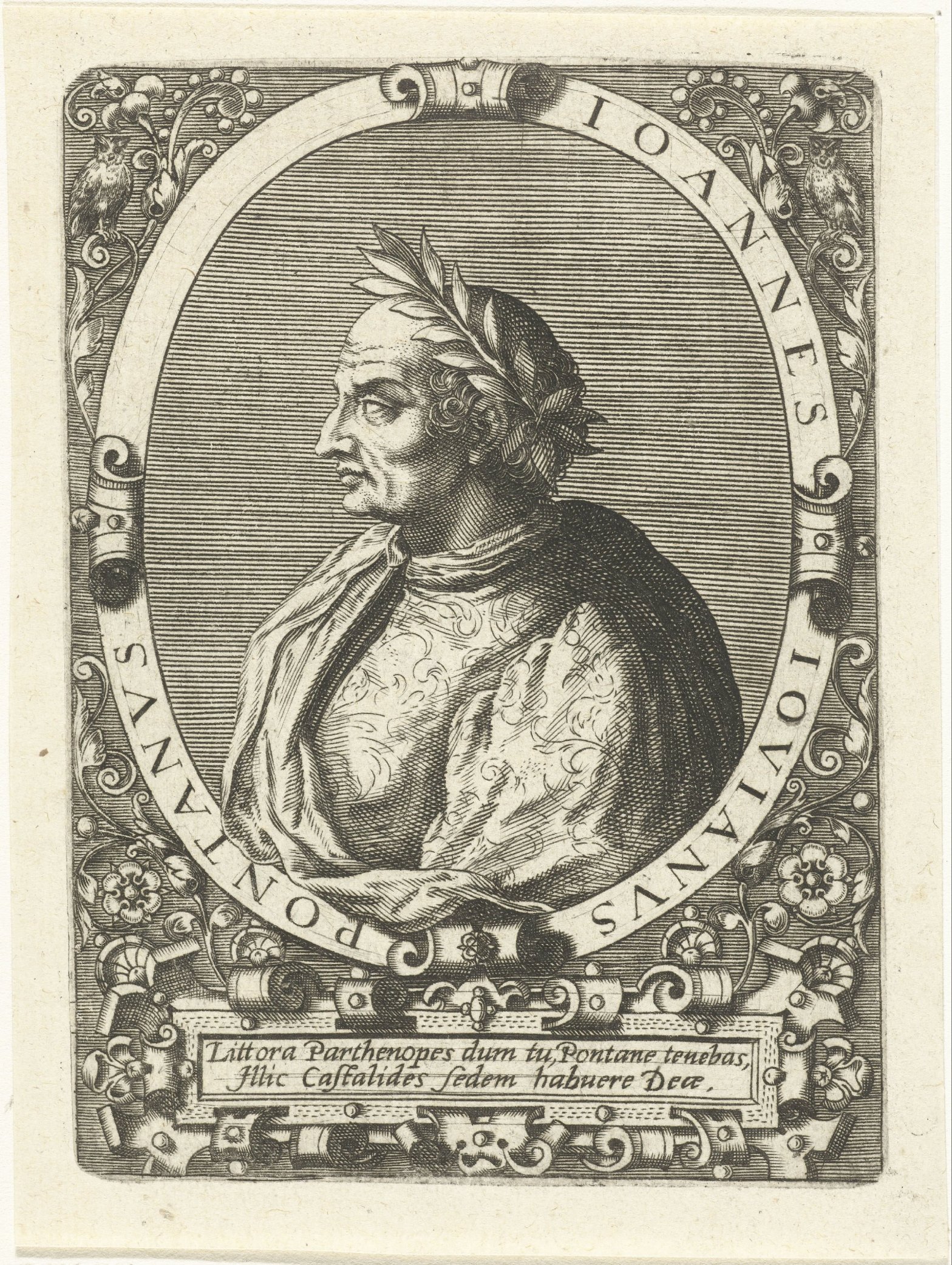
Theodor de Bry, Portrait of Giovanni Gioviano Pontano, c. 1597–99, engraving from Jean-Jacques Boissard, Icones virorum illustrium. Image credit: Rijksmuseum. The inscriptions of the Pontano Chapel cannot be understood fully from their words alone. To a Renaissance humanist, epigraphy carried associations with the recovery of antiquity, philological scholarship, education, social and intellectual distinction, and theContinue reading “Hidden in Plain Sight IV. The Pontano Chapel: The Authority of Inscription — Pontano and Renaissance Epigraphy”
Tag Archives: inscriptions
Hidden in Plain Sight III. The Pontano Chapel: Public Counsel and the Written Monument
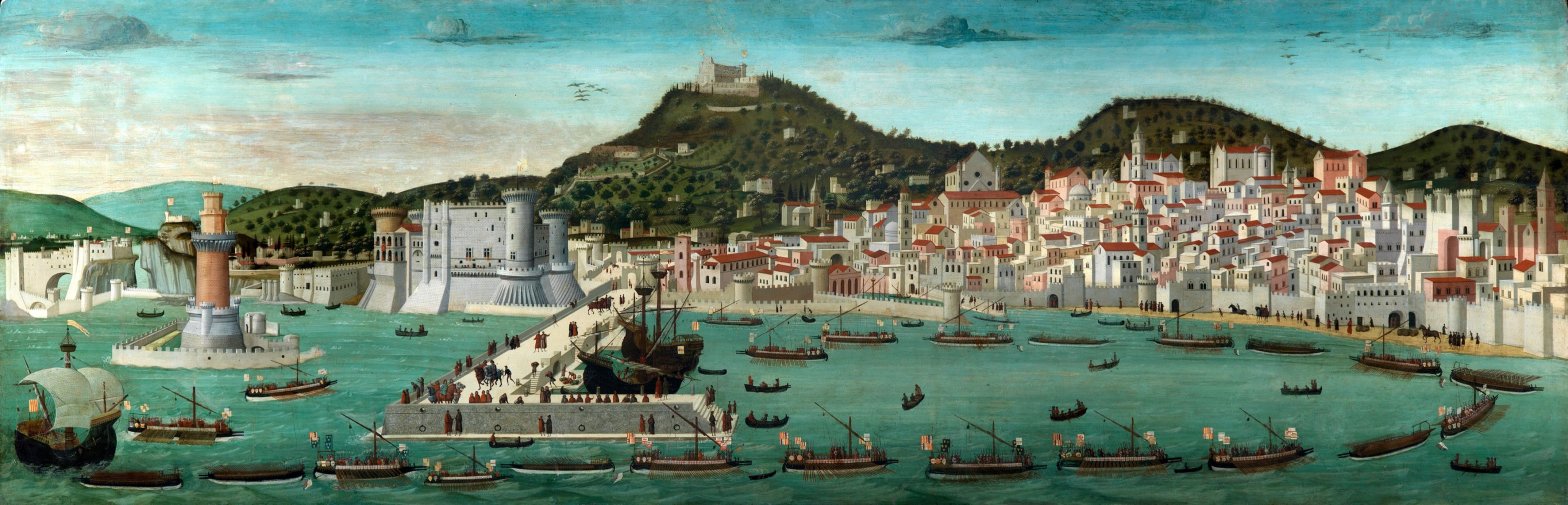
An ageing counsellor and a public monument The exterior of the Pontano Chapel carries twelve sententiae concerned with government, public conduct and the formation of character. Before examining the tablets individually, this series will first consider the political circumstances in which they were created and then the Renaissance culture of epigraphy within which they wereContinue reading “Hidden in Plain Sight III. The Pontano Chapel: Public Counsel and the Written Monument”

