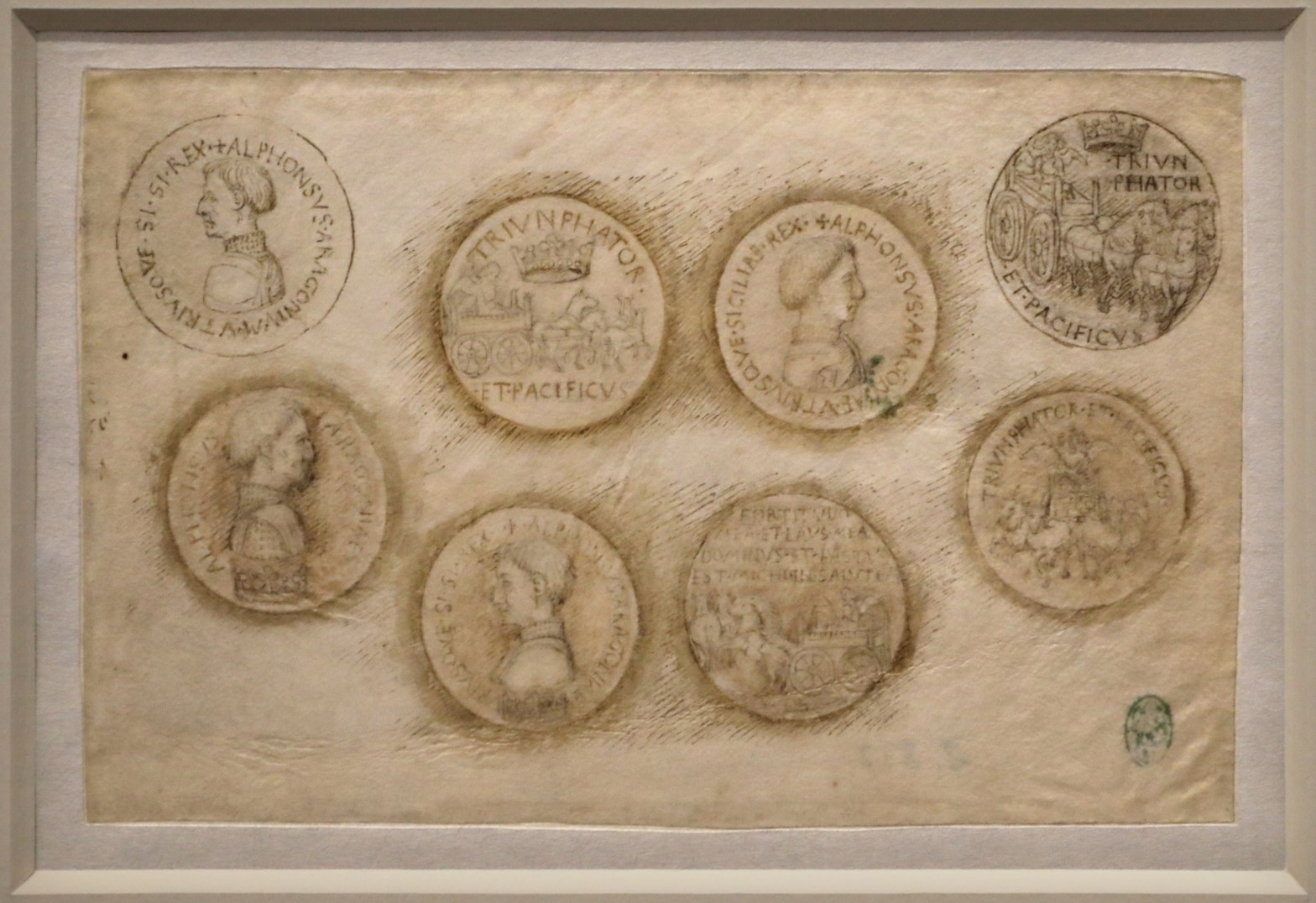
Pisanello, studies for the obverse and reverse of four medals of Alfonso V of Aragon, 1449. Pen and brown ink with ochre wash over metalpoint. Musée du Louvre, Paris, inv. 2317. Image: Wikimedia Commons / Musée du Louvre, Département des Arts Graphiques. The interior as a different kind of text The inscriptions on the exteriorContinue reading “Hidden in Plain Sight VI. Inside the Pontano Chapel”
Tag Archives: Commemoration
Hidden in Plain Sight II. The Pontano Chapel: Aegidius, Memorial and the Later Pontano
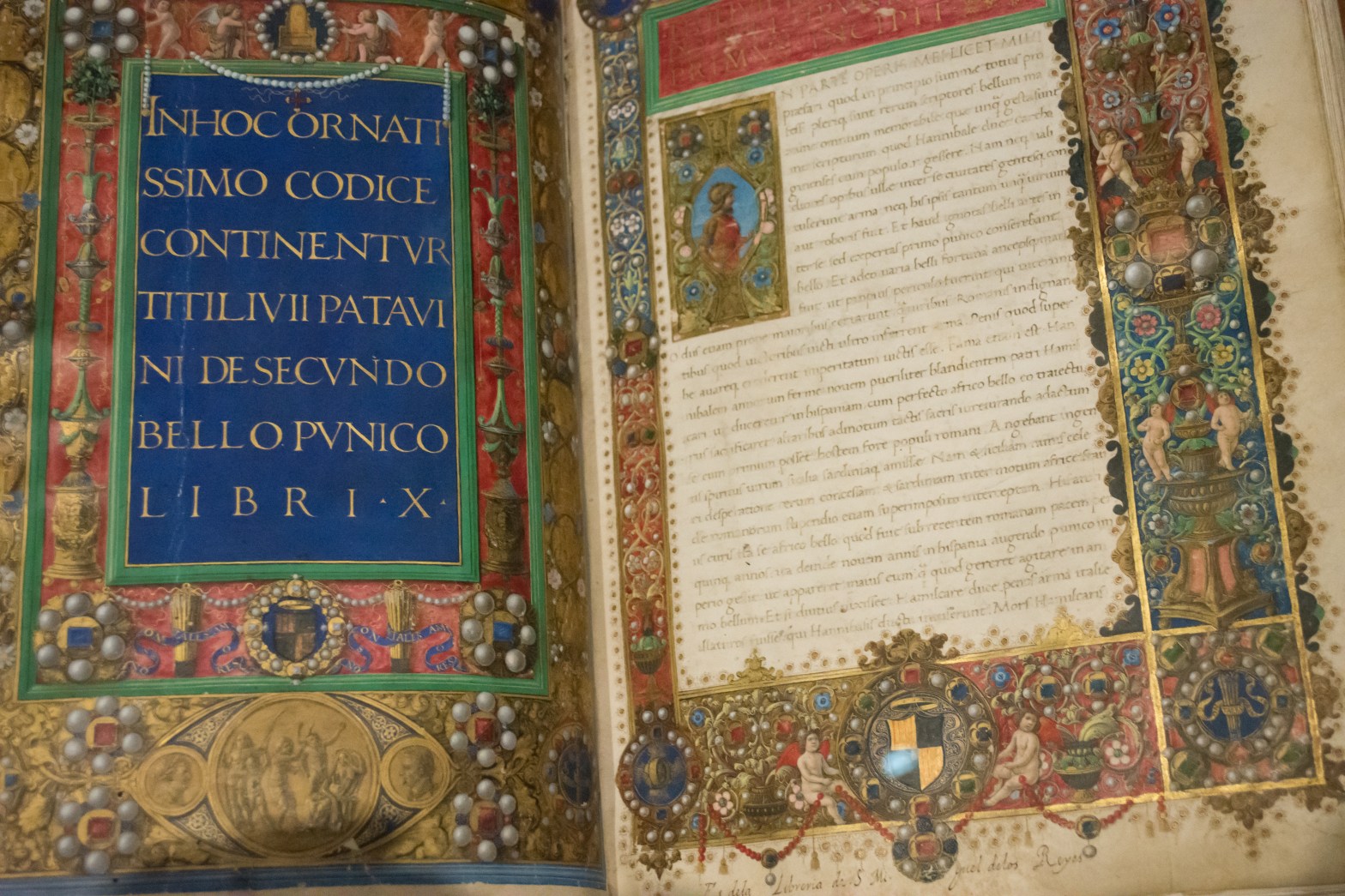
Written around 1501–3, during the last years of Giovanni Pontano’s life, the humanist dialogue Aegidius belongs to a period marked by an accumulating sense of loss. That process had begun more than a decade earlier with the death of his wife, Adriana Sassone, on 1 March 1490. Permission to construct the Pontano Chapel was grantedContinue reading “Hidden in Plain Sight II. The Pontano Chapel: Aegidius, Memorial and the Later Pontano”
Hidden in Plain Sight I: The Pontano Chapel. Architecture, Rhetoric and Memory
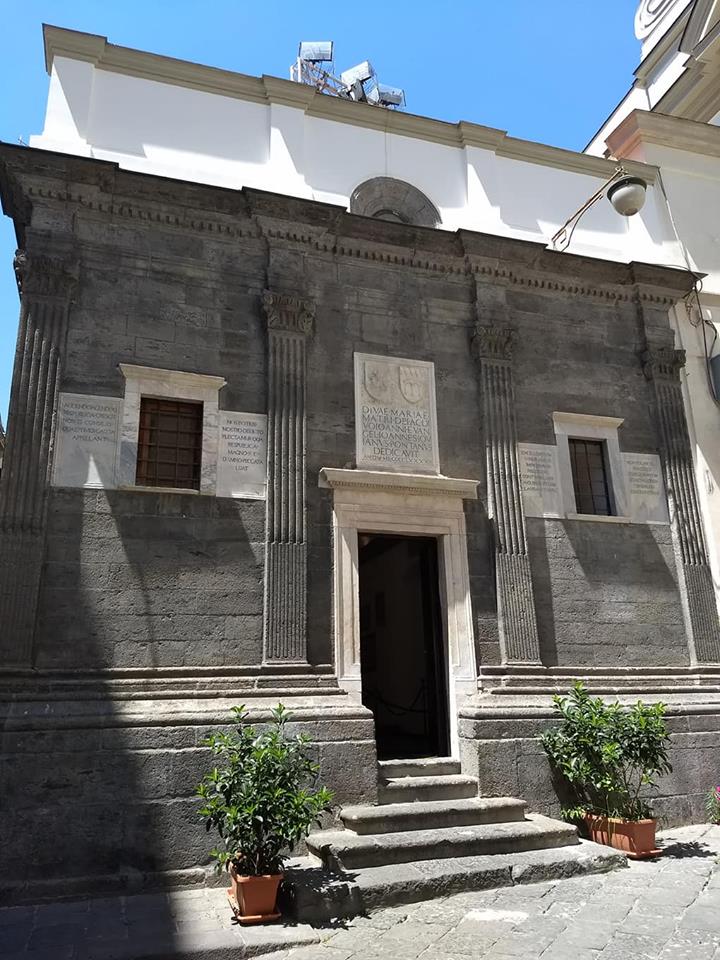
The Pontano Chapel stands on the Via dei Tribunali, one of the busiest and most historically dense streets in Naples. It is not hidden, yet it is remarkably easy to pass without understanding what it is. Its grey piperno exterior is austere, its Latin inscriptions are inaccessible to many viewers, and the intellectual culture thatContinue reading “Hidden in Plain Sight I: The Pontano Chapel. Architecture, Rhetoric and Memory”

