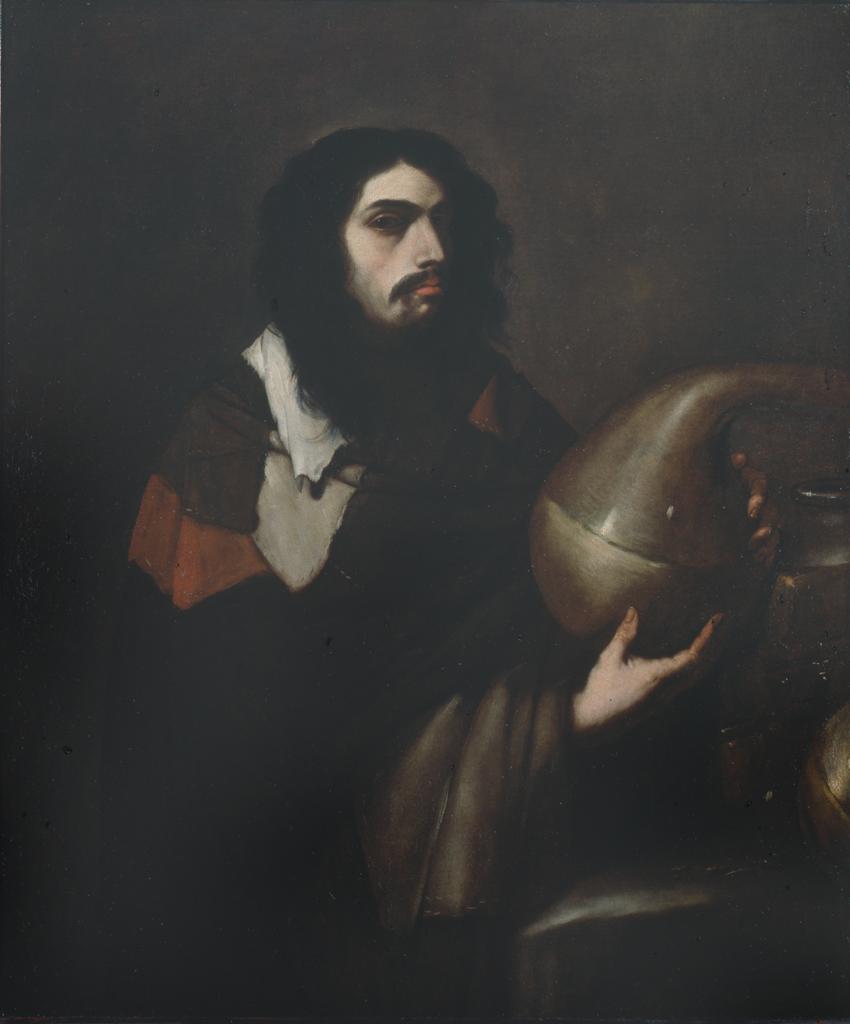
Luca Giordano, Self-Portrait as an Alchemist, c. 1660, oil on canvas, 116 × 96 cm, Pinacoteca di Brera, Milan, inv. 689. Image: © Pinacoteca di Brera, Milan – MiC. Luca Giordano returned to his own appearance throughout his long career. His earliest experiments in self-representation include Saint Luke Painting the Virgin, now in the MuseoContinue reading “Four Self-Portraits by Luca Giordano”
Tag Archives: naples
Terraces: Two Short Studies (Thomas Fearnley and the Neapolitan Tradition)
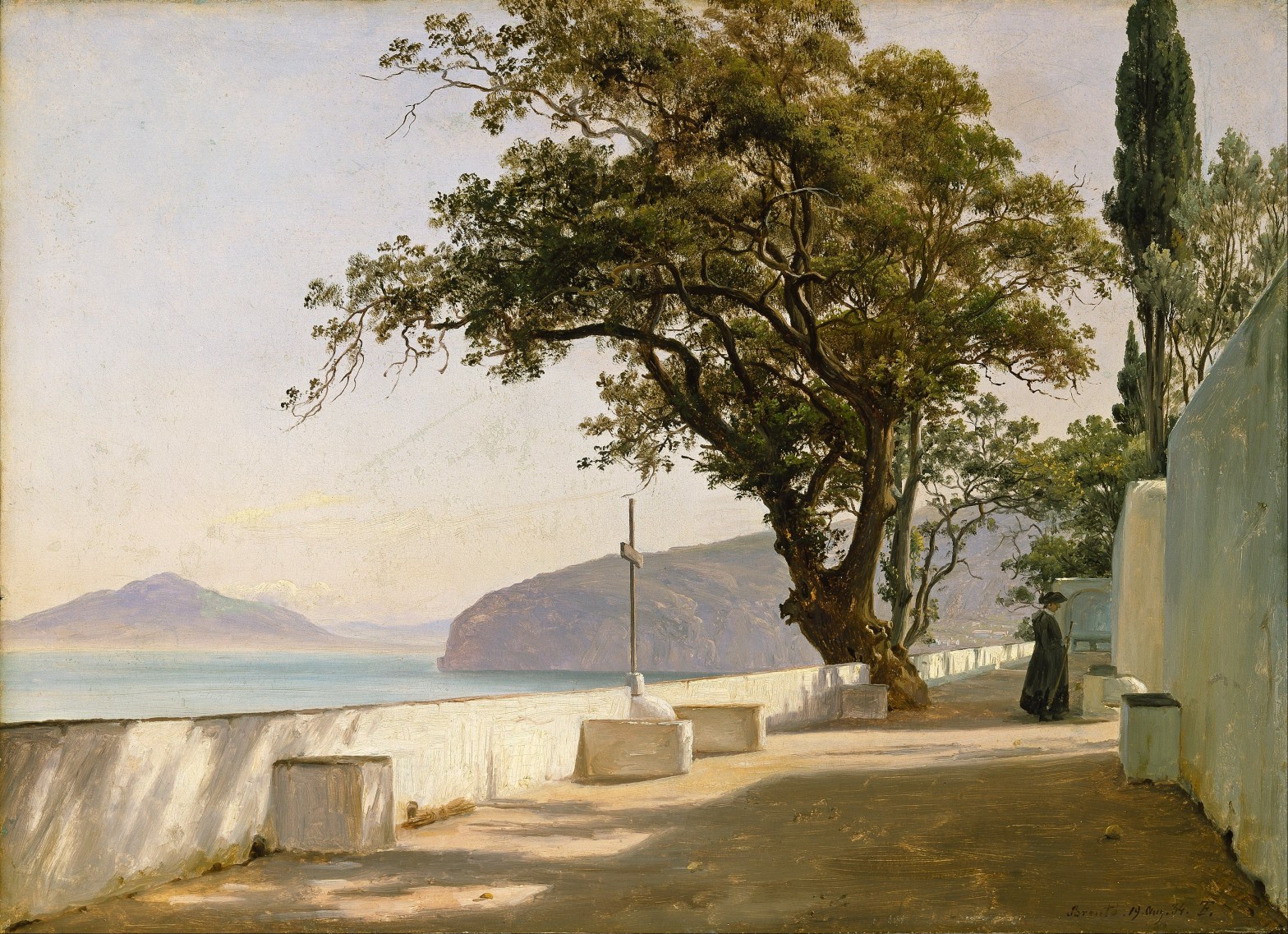
Thomas Fearnley and the Terrace Thomas Fearnley travelled to Naples in the spring of 1833 before making an extended journey through Sicily. His Italian itinerary also took in Capri, Sorrento, Amalfi and Castellammare, places already familiar to northern European artists and, in several cases, to his mentor Johan Christian Dahl. David Jackson has stressed, however,Continue reading “Terraces: Two Short Studies (Thomas Fearnley and the Neapolitan Tradition)”
Diana Di Rosa (1602–1643): An Emerging Artistic Identity
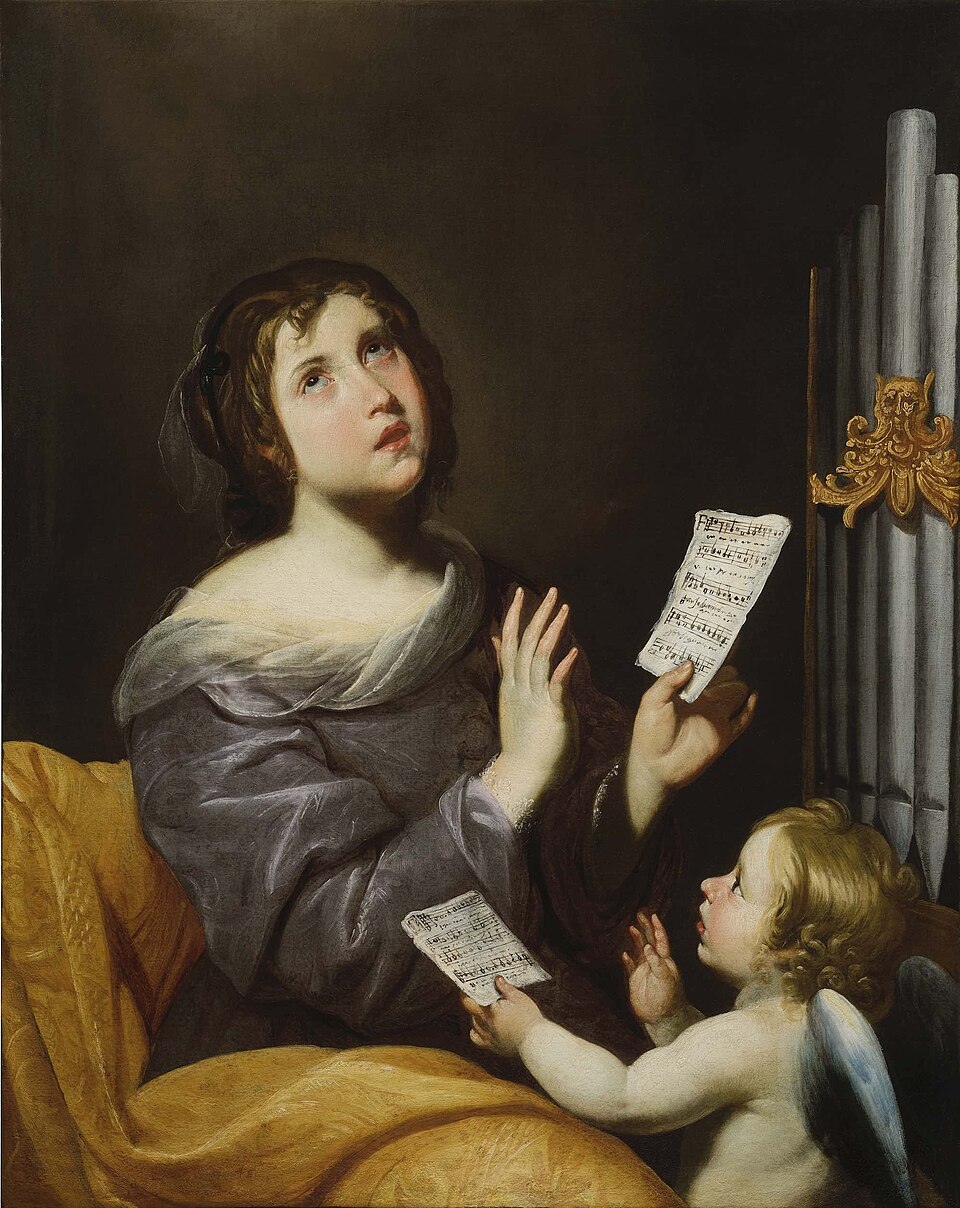
Introduction Diana Di Rosa occupies an unusual position in the history of seventeenth-century Neapolitan painting. Celebrated in later tradition as “Annella di Massimo”, she acquired a reputation that rested as much on the dramatic story of her life as on the paintings associated with her. Yet while Artemisia Gentileschi has generated an extensive modern literature,Continue reading “Diana Di Rosa (1602–1643): An Emerging Artistic Identity”
Hidden in Plain Sight V. The Pontano Chapel: The Counsel of Stone — The Twelve Exterior Inscriptions
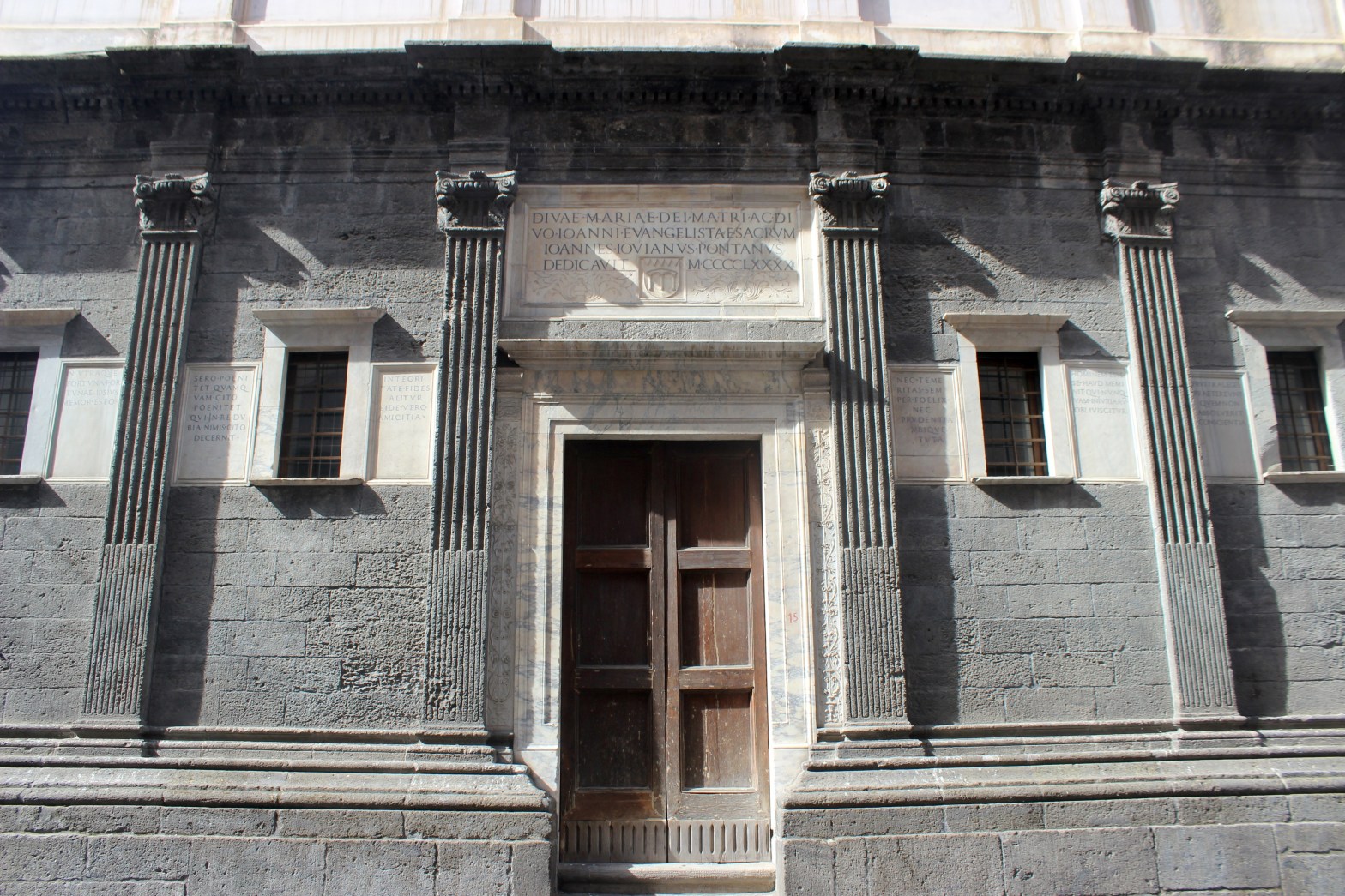
Pontano Chapel, Naples, exterior, 1490–92. Photograph: Miguel Hermoso Cuesta. Credit: Wikimedia Commons. Reading the inscriptions For convenience, the discussion follows the tablets from the façade along Via dei Tribunali and then around onto the side facing Piazzetta Pietrasanta, beside the campanile of Santa Maria Maggiore alla Pietrasanta. This corresponds to one natural route of approachContinue reading “Hidden in Plain Sight V. The Pontano Chapel: The Counsel of Stone — The Twelve Exterior Inscriptions”
Hidden in Plain Sight IV. The Pontano Chapel: The Authority of Inscription — Pontano and Renaissance Epigraphy
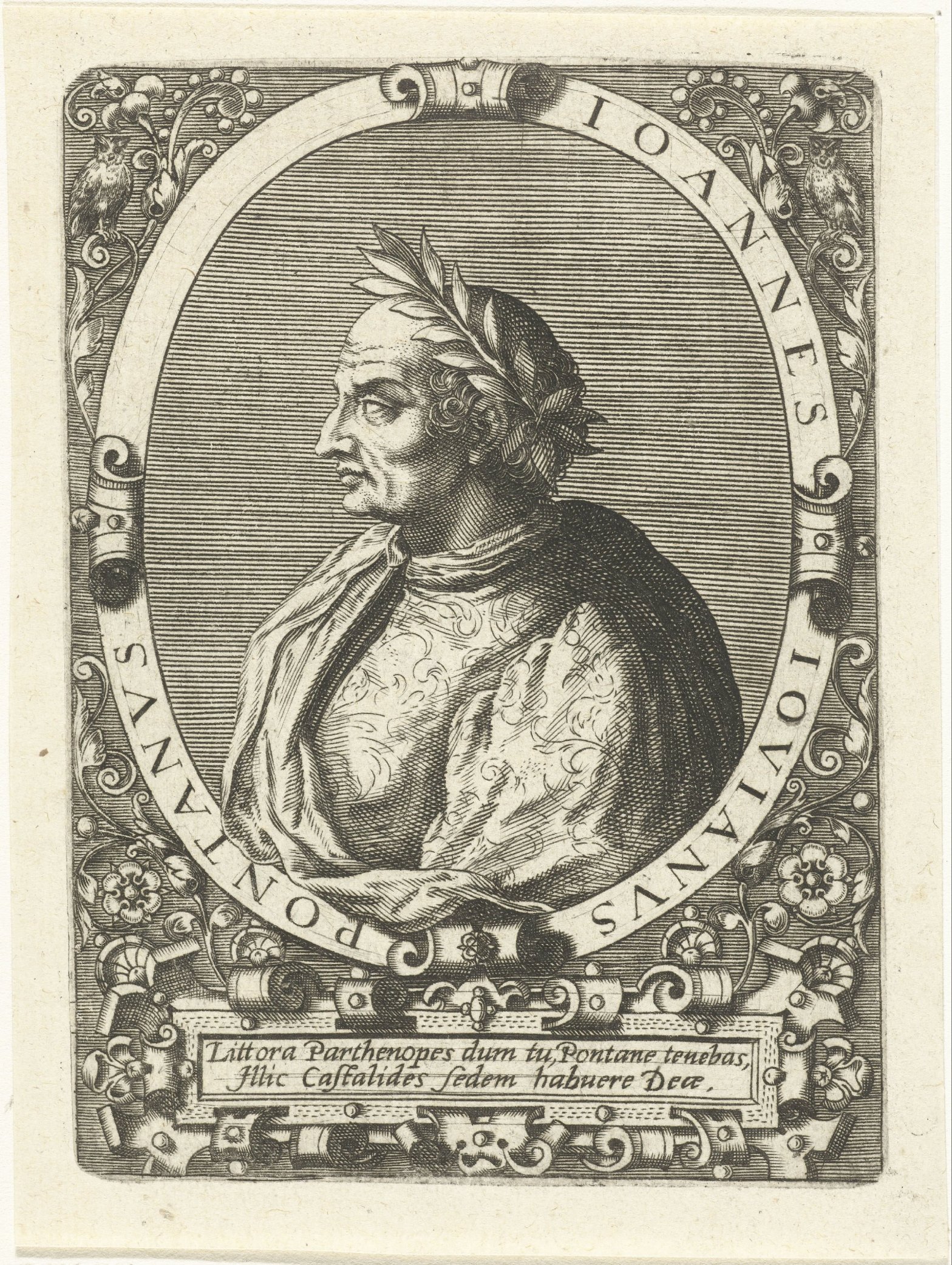
Theodor de Bry, Portrait of Giovanni Gioviano Pontano, c. 1597–99, engraving from Jean-Jacques Boissard, Icones virorum illustrium. Image credit: Rijksmuseum. The inscriptions of the Pontano Chapel cannot be understood fully from their words alone. To a Renaissance humanist, epigraphy carried associations with the recovery of antiquity, philological scholarship, education, social and intellectual distinction, and theContinue reading “Hidden in Plain Sight IV. The Pontano Chapel: The Authority of Inscription — Pontano and Renaissance Epigraphy”
Hidden in Plain Sight III. The Pontano Chapel: Public Counsel and the Written Monument
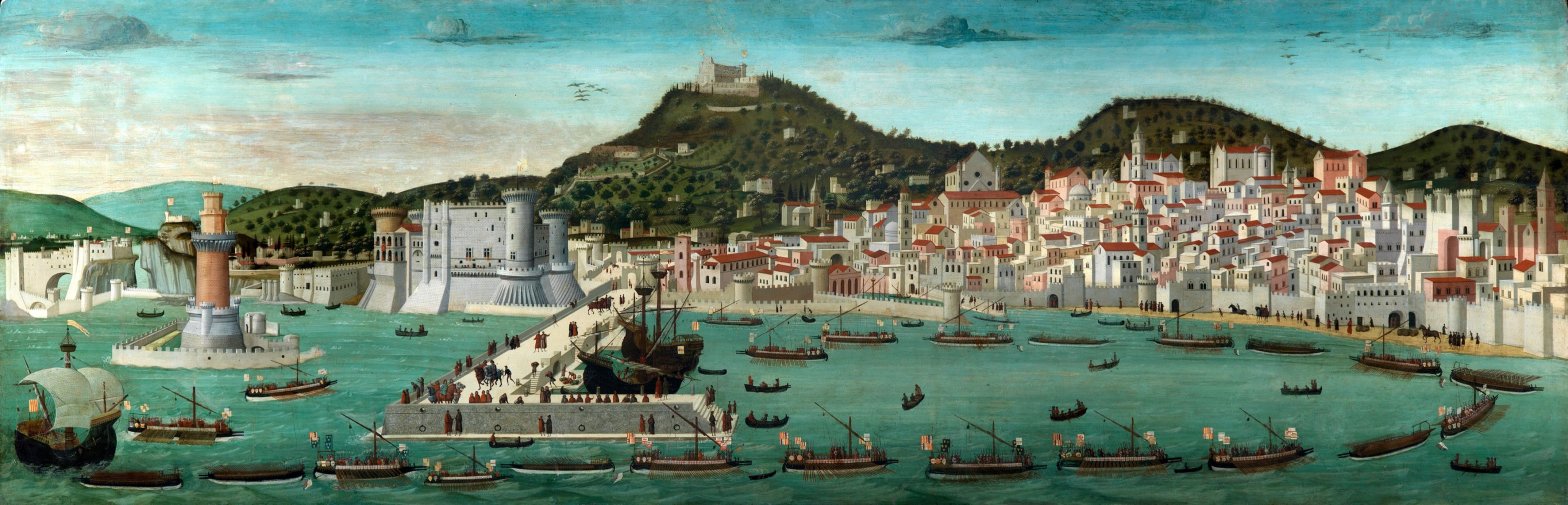
An ageing counsellor and a public monument The exterior of the Pontano Chapel carries twelve sententiae concerned with government, public conduct and the formation of character. Before examining the tablets individually, this series will first consider the political circumstances in which they were created and then the Renaissance culture of epigraphy within which they wereContinue reading “Hidden in Plain Sight III. The Pontano Chapel: Public Counsel and the Written Monument”
Polidoro da Caravaggio (c. 1499–1543): Studies for an Annunciation

Two small roundels, the Angelo annunciante and the Vergine annunciata, painted in Naples in 1527–28 and now in the Museo e Real Bosco di Capodimonte, are closely connected with a double-sided sheet of red-chalk studies of approximately the same date, now in the Fitzwilliam Museum, Cambridge. Together, the drawings and paintings offer an unusually concentratedContinue reading “Polidoro da Caravaggio (c. 1499–1543): Studies for an Annunciation”
Rue Scribe: Giuseppe Casciaro (1861–1941) and an Italian Network in Paris
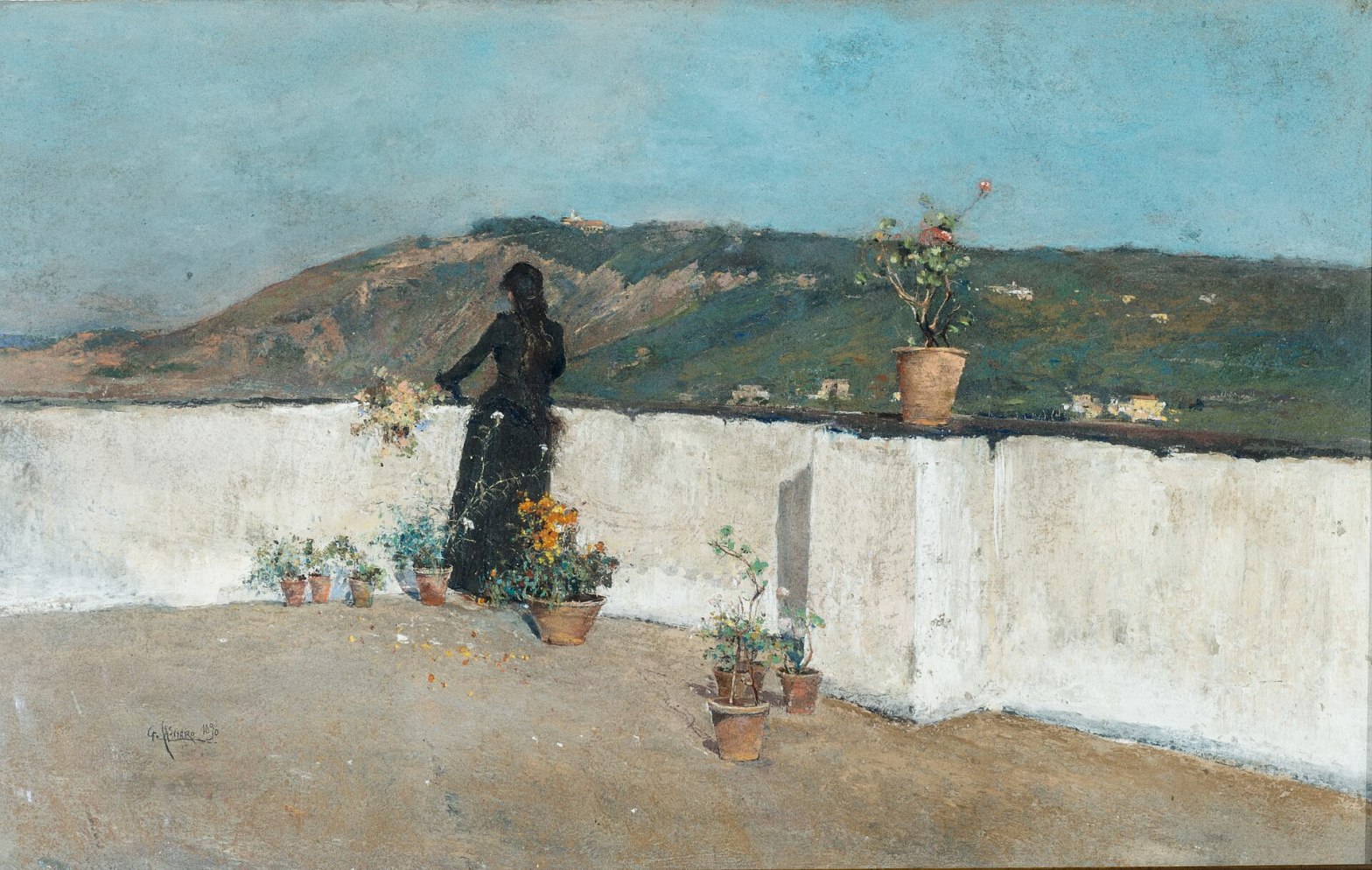
Giuseppe Casciaro’s association with Paris appears to have developed earlier than has often been assumed. Vito Carbonara notes that, in 1889, Pio Enea Cugeno referred to works by the young painter as already exhibited, or intended for exhibition, in the French capital. A further indication appears in April 1891, when the Gazzetta delle Puglie reportedContinue reading “Rue Scribe: Giuseppe Casciaro (1861–1941) and an Italian Network in Paris”
Battistello Caracciolo: Painting after Caravaggio in Naples (Part 1).
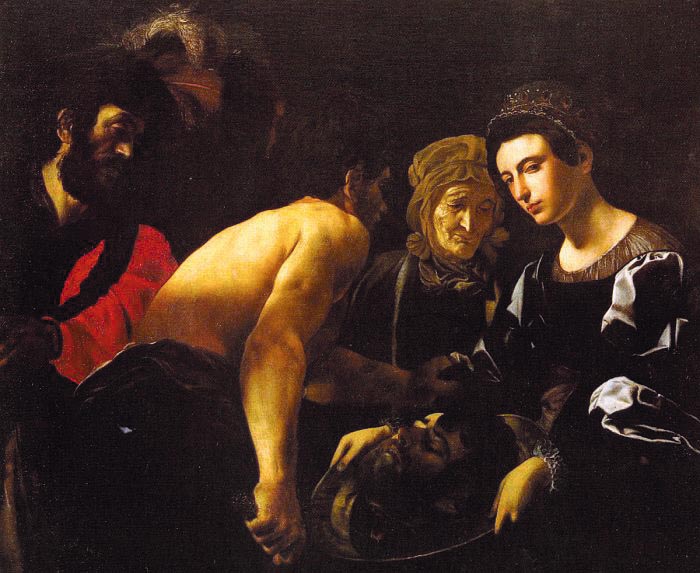
Part One: Caravaggio, Naples, and the First Inheritance Overview Giovanni Battista Caracciolo, known as Battistello, was born in Naples in 1578 and died there in December 1635. In 1598 he married Beatrice di Mario da Gaeta, with whom he had a large family, and by the beginning of the new century he was already activeContinue reading “Battistello Caracciolo: Painting after Caravaggio in Naples (Part 1).”
Battistello Caracciolo: Painting after Caravaggio in Naples (Part 2).
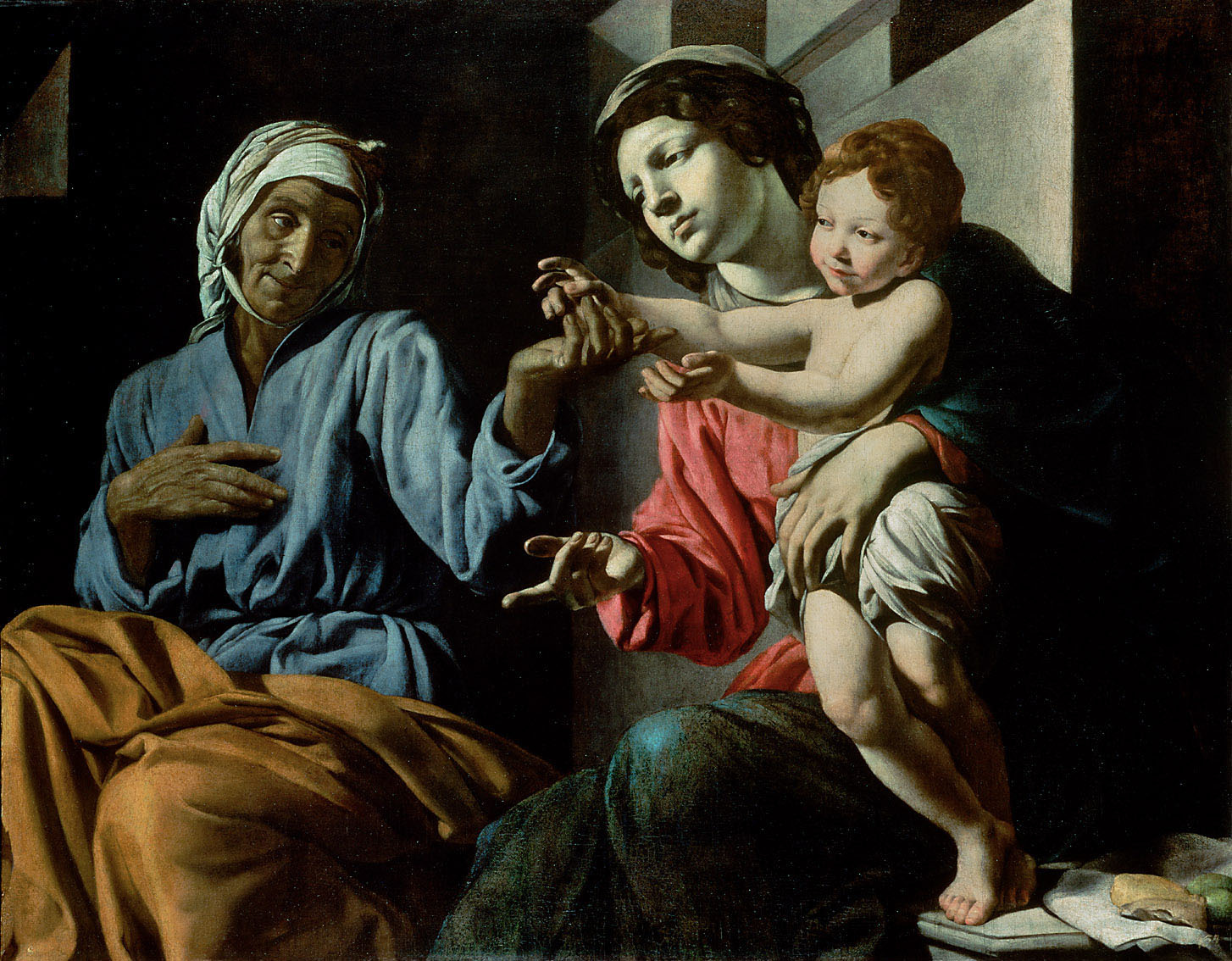
Part Two: Ribera, Lanfranco, and the Wider Neapolitan Field That darker current was associated above all with Ribera. His arrival in Naples around 1616 did not simply displace Caravaggio, but changed both the character and the reach of the local naturalist tradition. Causa’s distinction between the two painters is less a judgement of artistic greatnessContinue reading “Battistello Caracciolo: Painting after Caravaggio in Naples (Part 2).”

