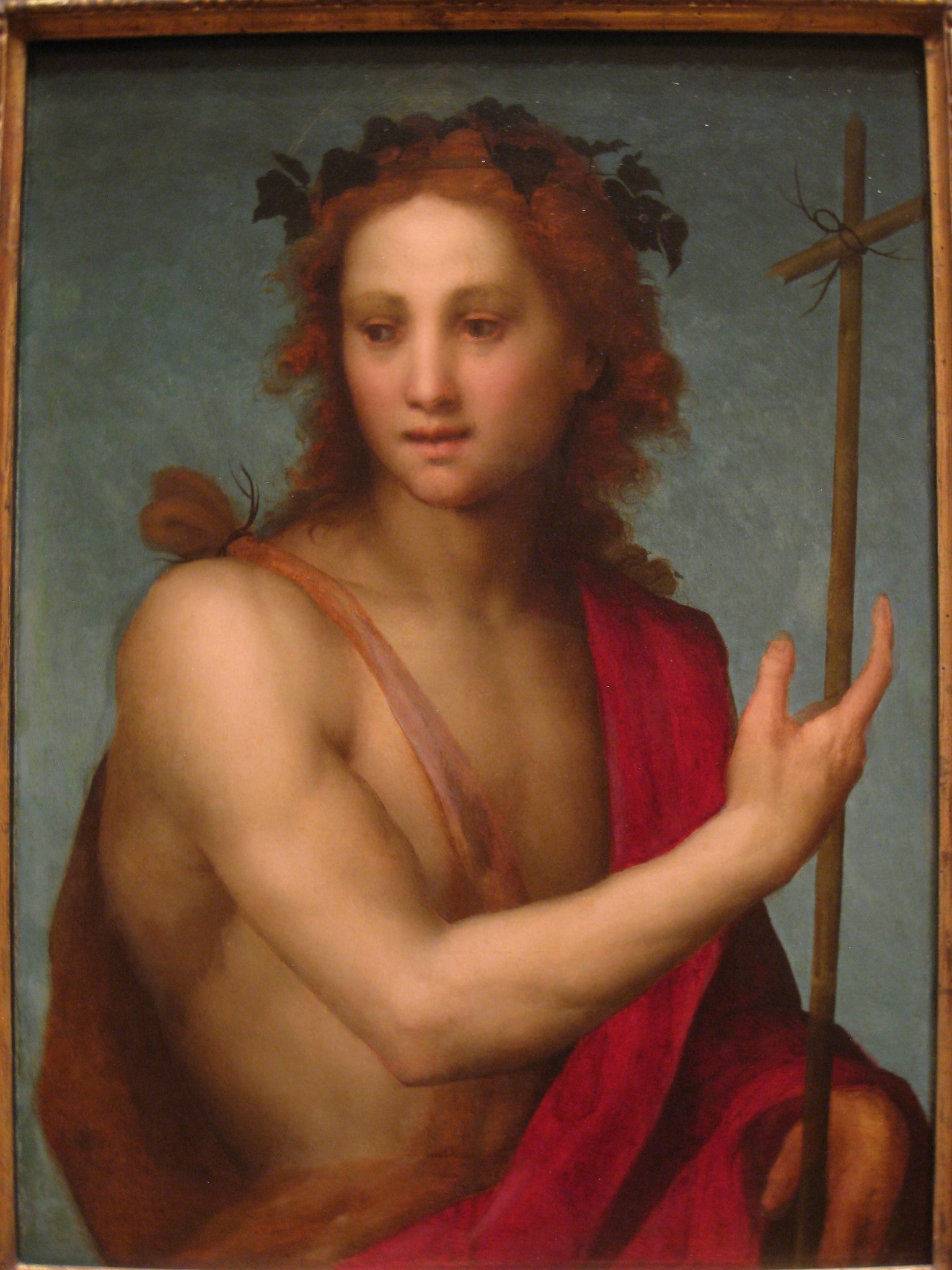
Before France Andrea del Sarto’s journey to France in 1518 has acquired a special place in accounts of his career. John Shearman treated that year as the beginning of Andrea’s ‘heroic period’, while Jan Sammer’s recent reconstruction of the painter’s movements has given the French episode a much firmer documentary basis than it previously possessed.Continue reading “Andrea del Sarto and the French Court: Leonardo, Raphael and Visual Legacy”
Author Archives: ex.tempore
Four Self-Portraits by Luca Giordano
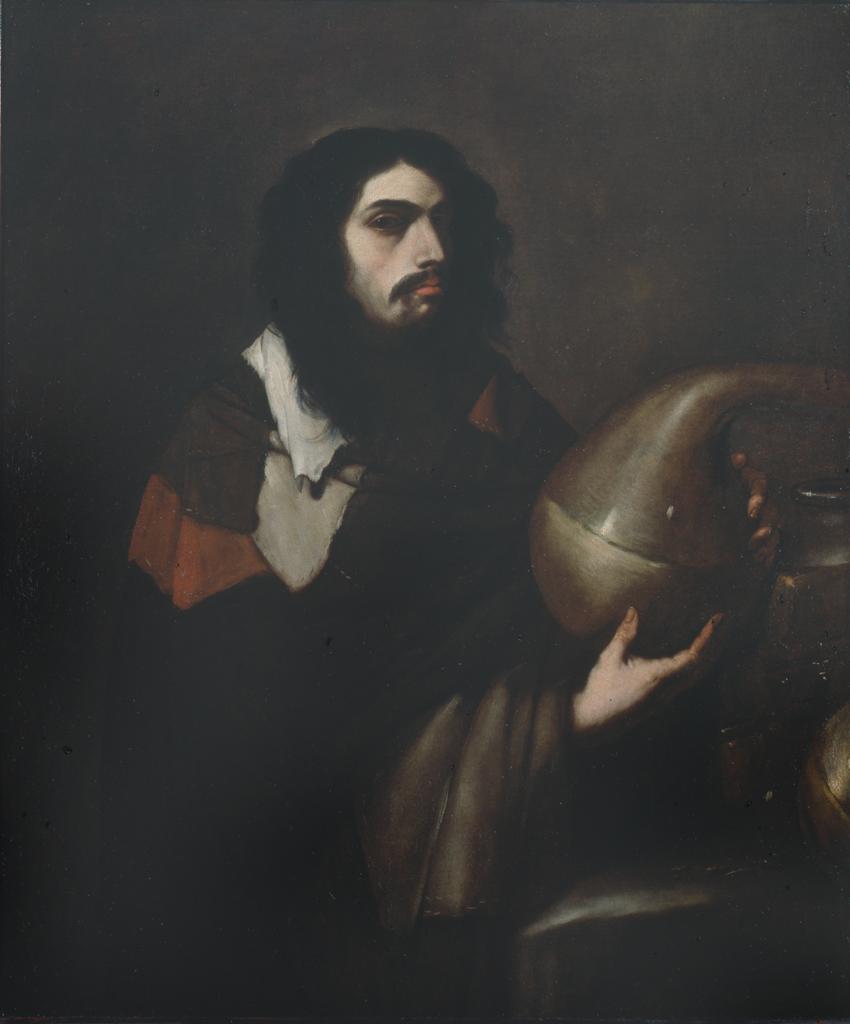
Luca Giordano, Self-Portrait as an Alchemist, c. 1660, oil on canvas, 116 × 96 cm, Pinacoteca di Brera, Milan, inv. 689. Image: © Pinacoteca di Brera, Milan – MiC. Luca Giordano returned to his own appearance throughout his long career. His earliest experiments in self-representation include Saint Luke Painting the Virgin, now in the MuseoContinue reading “Four Self-Portraits by Luca Giordano”
Francesco Paolo Michetti and the Investigation of the Visible
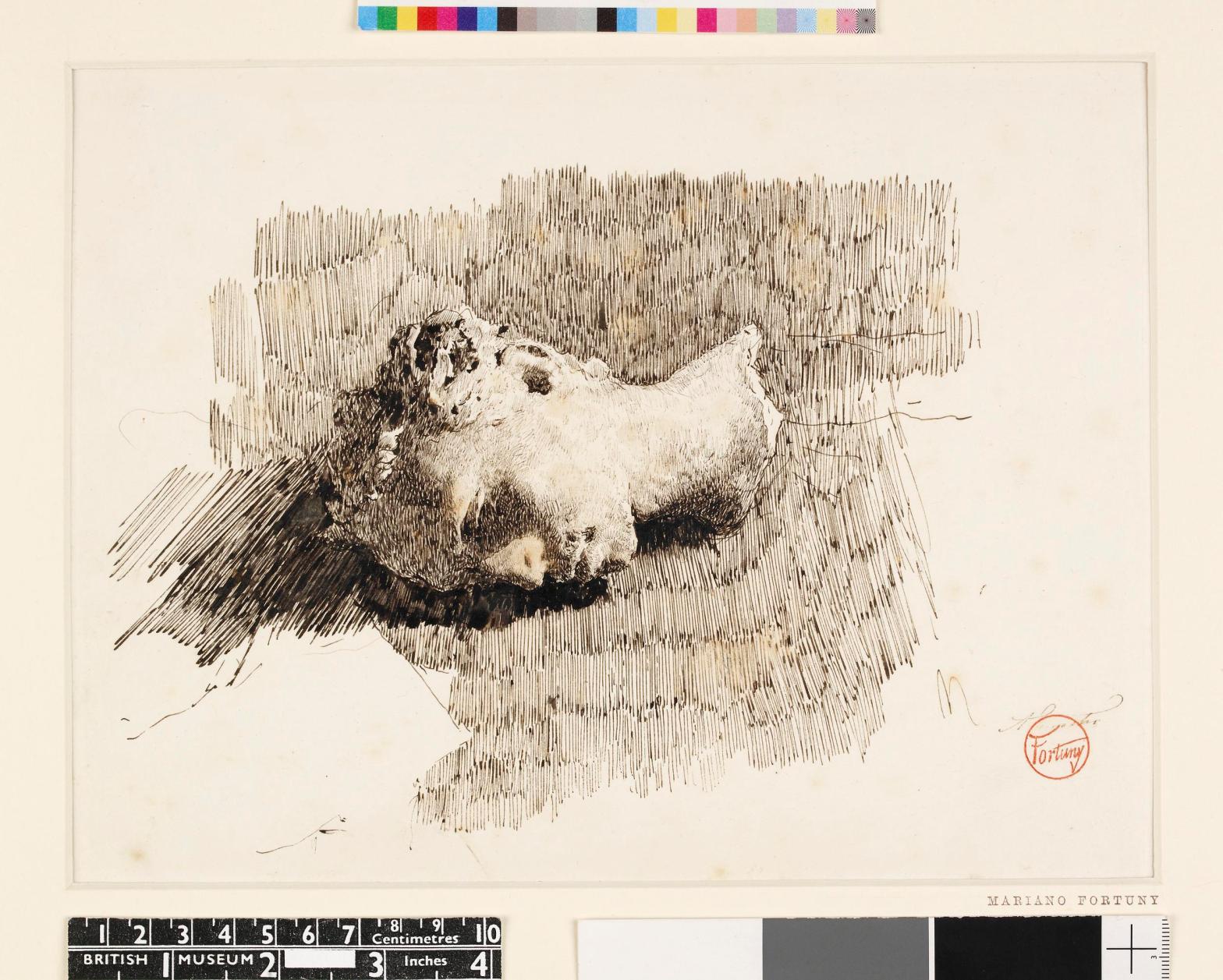
Mariano Fortuny, Plaster head of Francesco Paolo Michetti by Vincenzo Gemito, undated, before 1874, pen and brown ink on paper, 21.1 × 30 cm, British Museum, London. © The Trustees of the British Museum. CC BY-NC-SA 4.0. One reality, several ways of seeing Mariano Fortuny’s drawing of Vincenzo Gemito’s plaster portrait of Francesco Paolo MichettiContinue reading “Francesco Paolo Michetti and the Investigation of the Visible”
Terraces: Two Short Studies (Thomas Fearnley and the Neapolitan Tradition)
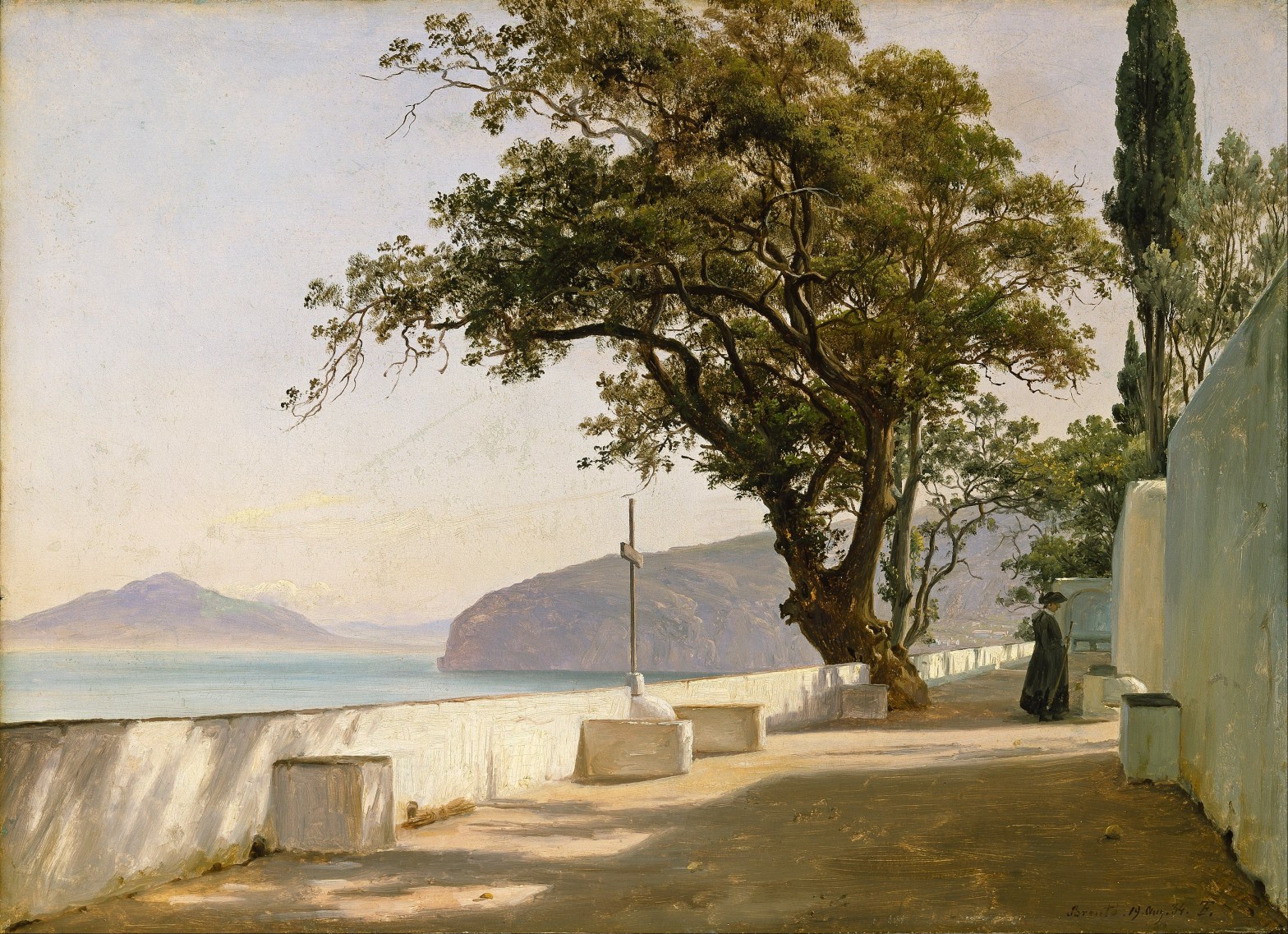
Thomas Fearnley and the Terrace Thomas Fearnley travelled to Naples in the spring of 1833 before making an extended journey through Sicily. His Italian itinerary also took in Capri, Sorrento, Amalfi and Castellammare, places already familiar to northern European artists and, in several cases, to his mentor Johan Christian Dahl. David Jackson has stressed, however,Continue reading “Terraces: Two Short Studies (Thomas Fearnley and the Neapolitan Tradition)”
Nikolai Kuznetsov (1850–1929) and Ilya Repin (1844–1930): Fields and Flowers
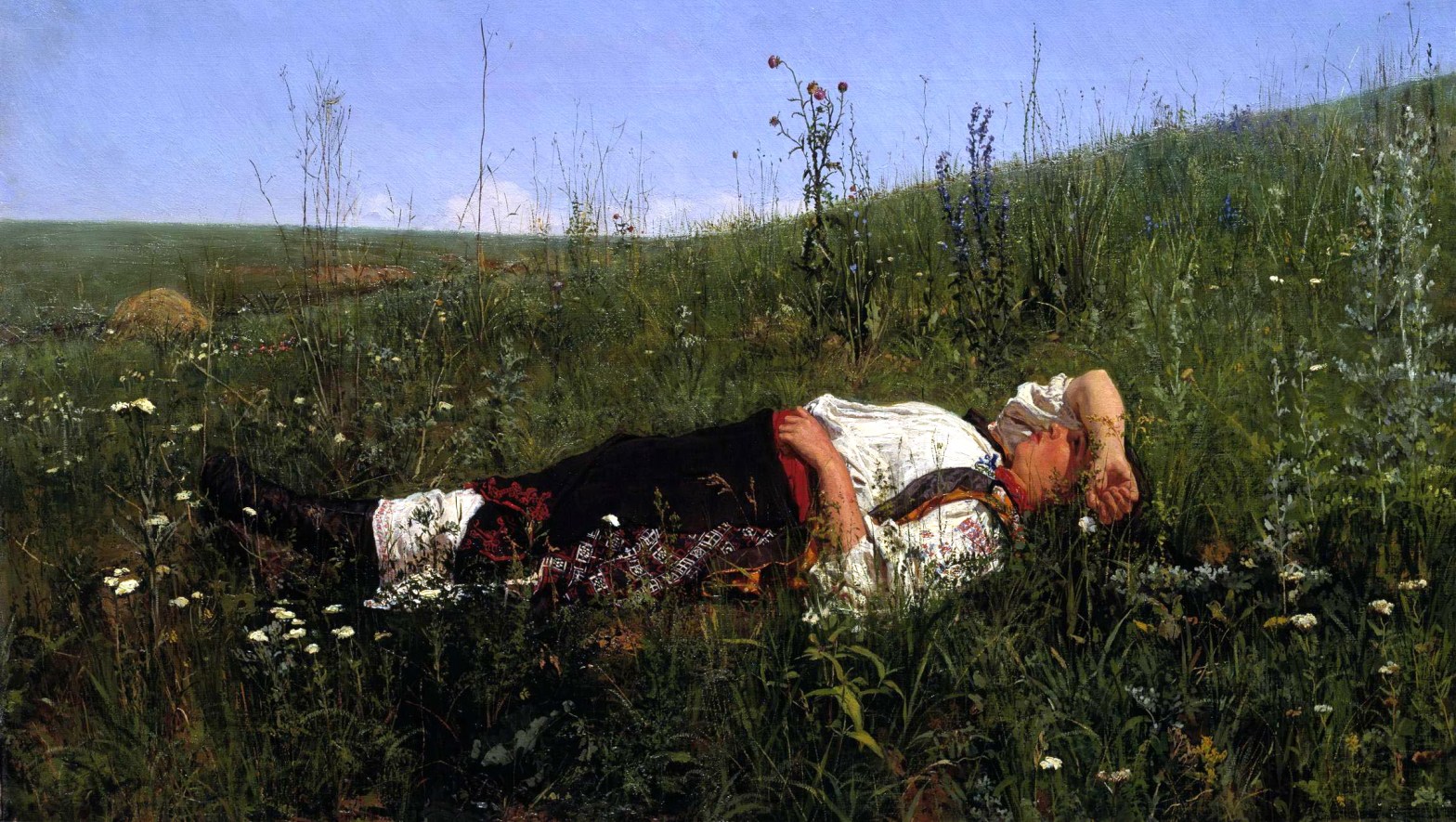
Two women inhabit two expanses of grass and flowers. In Nikolai Kuznetsov’s Holiday of 1879, a young woman lies almost full length in the vegetation, her body settling into the broad horizontal spread of the field. Thirteen years later, in Ilya Repin’s Autumn Bouquet. Portrait of Vera Repin, the artist’s daughter stands upright in anContinue reading “Nikolai Kuznetsov (1850–1929) and Ilya Repin (1844–1930): Fields and Flowers”
Titian and Isabella d’Este: The Truth of a Portrait
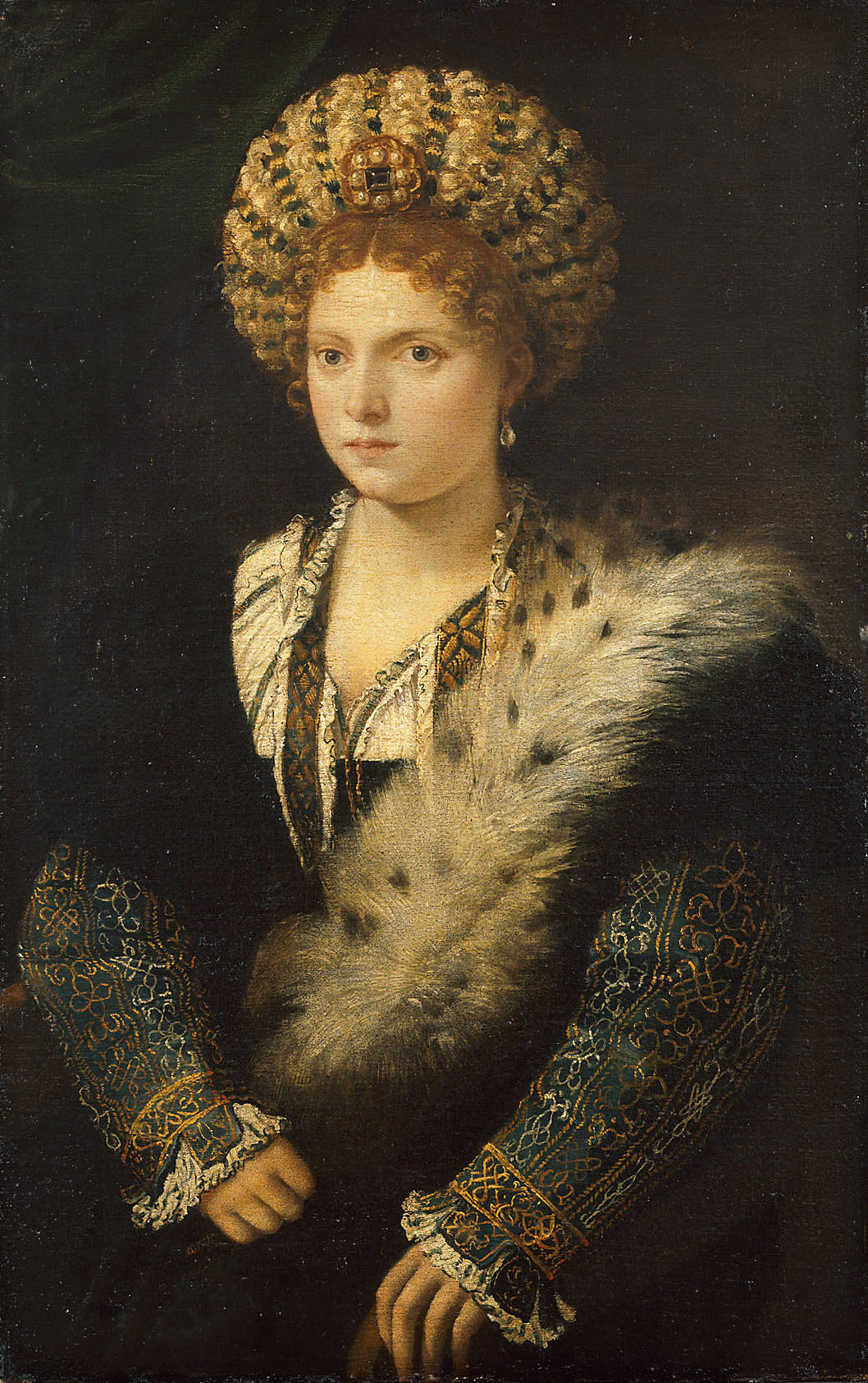
Two painted versions of Isabella d’Este have come to define her association with Titian, although neither records a simple encounter between painter and sitter. One, generally called Isabella in Red, is known principally through a copy made by Peter Paul Rubens after a lost Titian and shows Isabella as a mature woman. The other, IsabellaContinue reading “Titian and Isabella d’Este: The Truth of a Portrait”
The Laundress: Between Social Type and Individual
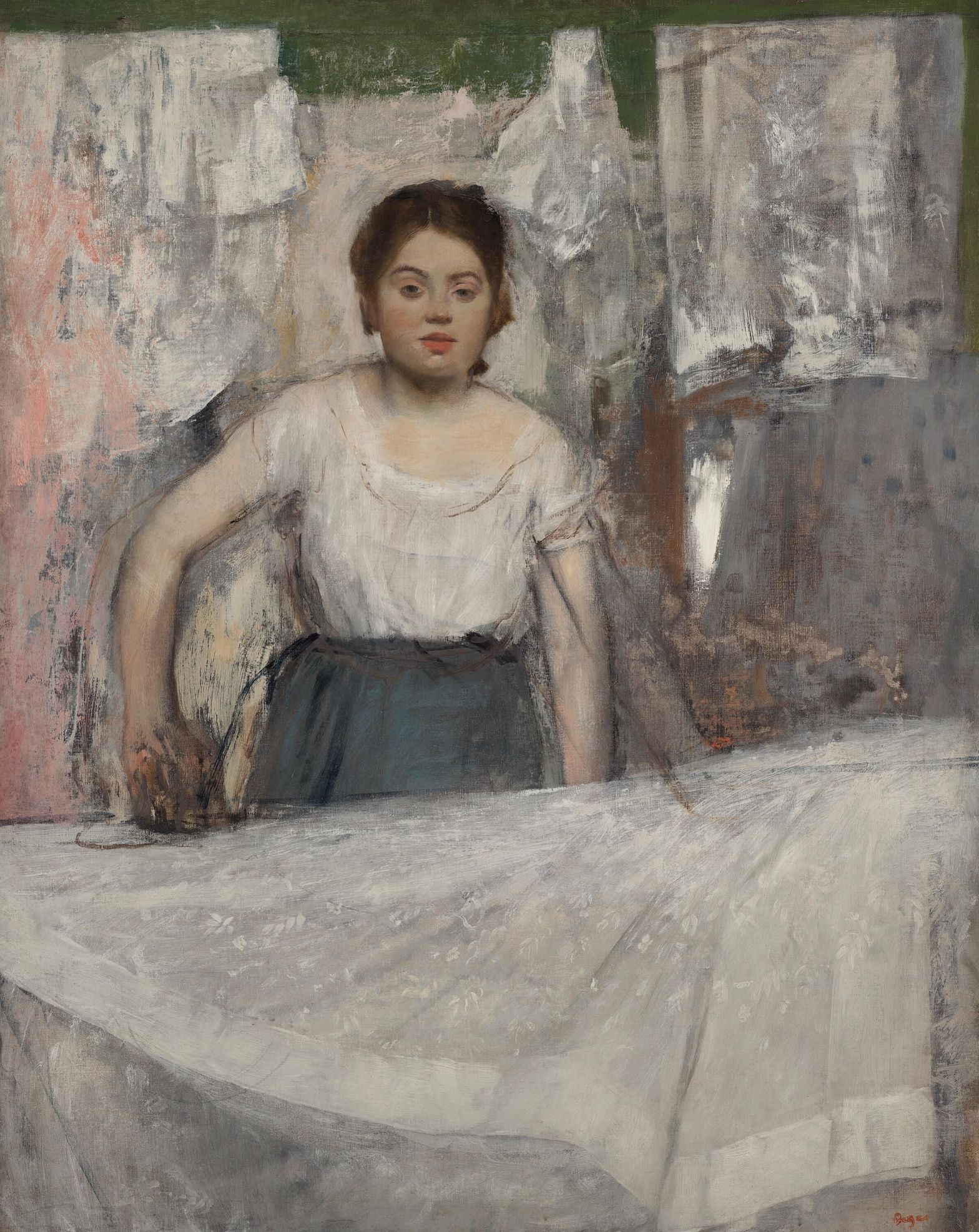
Edgar Degas, Woman Ironing (La Repasseuse), c. 1869, oil on canvas, 92.5 × 73.5 cm, Bayerische Staatsgemäldesammlungen – Neue Pinakothek, Munich, inv. 14310. Image credit: Bayerische Staatsgemäldesammlungen – Neue Pinakothek München, CC BY-SA 4.0. Laundry was an inescapable part of life in nineteenth-century Paris. Clothes and household linen were generally sent out to be cleaned,Continue reading “The Laundress: Between Social Type and Individual”
Common Life: Giuseppe Maria Crespi (1665–1747) and Genre Painting
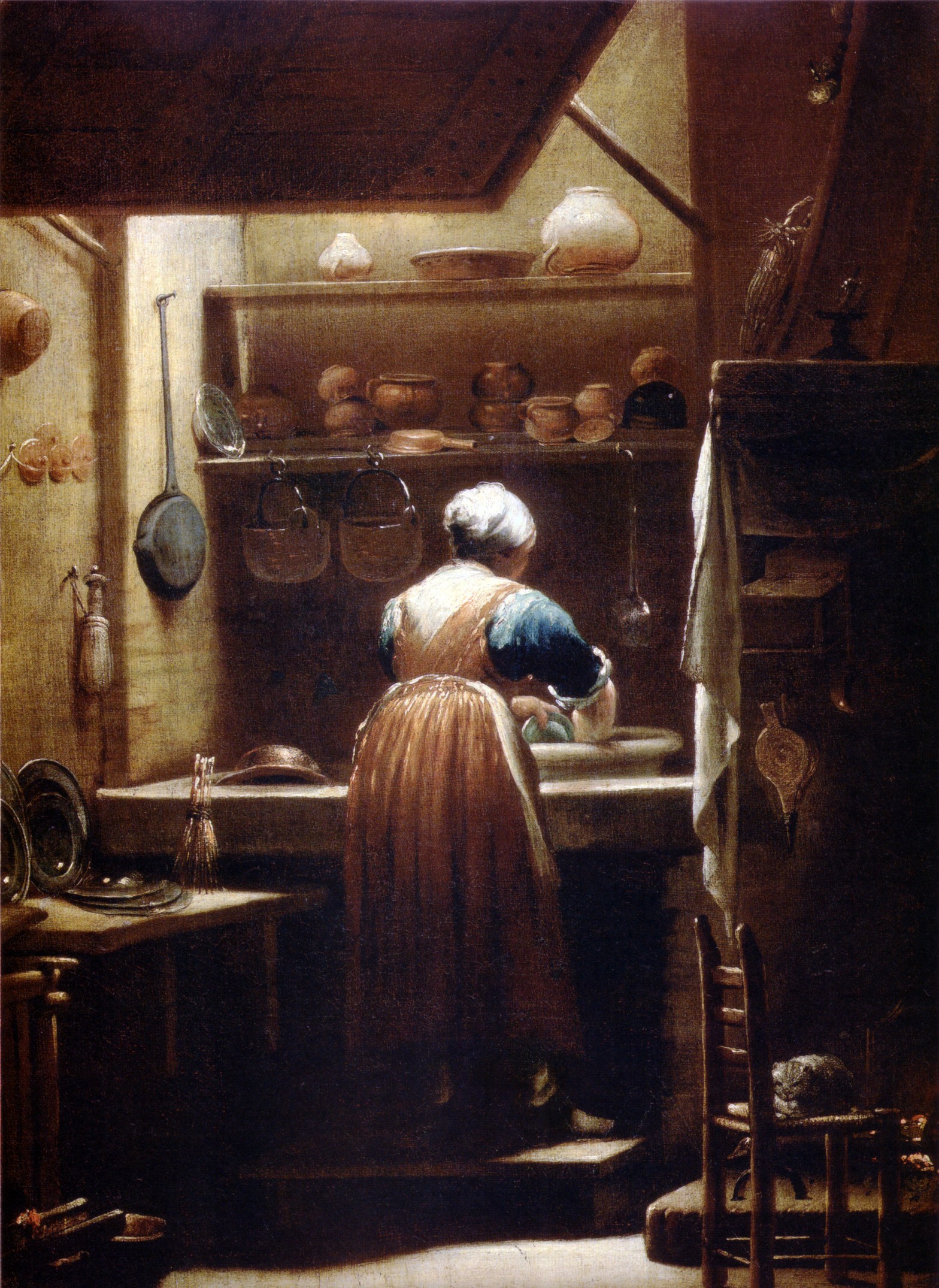
La pulce A young woman sits in a cramped interior, pulling her clothing aside as she examines her body. Her head is lowered, one shoulder exposed, and the composition is organised around the awkward concentration of the act. The small oil on copper in the Uffizi is generally known as The Flea (La pulce), althoughContinue reading “Common Life: Giuseppe Maria Crespi (1665–1747) and Genre Painting”
An Elusive Realism: Gustave Courbet’s Les Cribleuses de blé (The Grain Sifters).
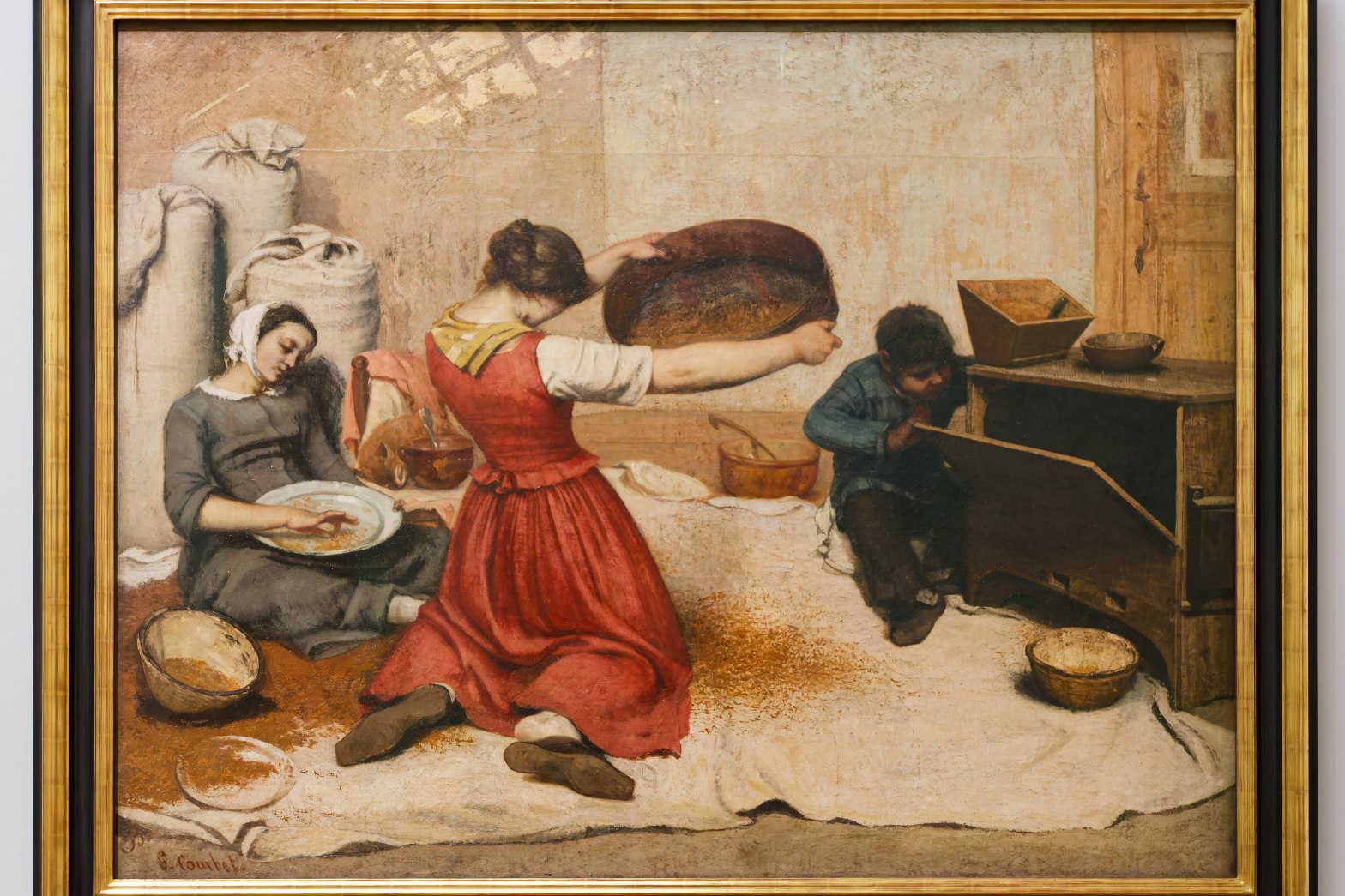
Courbet, Ornans and 1854–55 When Gustave Courbet painted Les Cribleuses de blé (The Grain Sifters) in 1854–55, he was in his mid-thirties and had already become one of the most contentious figures in French painting. Born in 1819 at Ornans, a small town in the Doubs close to the Swiss border, Courbet came from aContinue reading “An Elusive Realism: Gustave Courbet’s Les Cribleuses de blé (The Grain Sifters).”
Silvestro Lega: Places, People and Ways of Painting
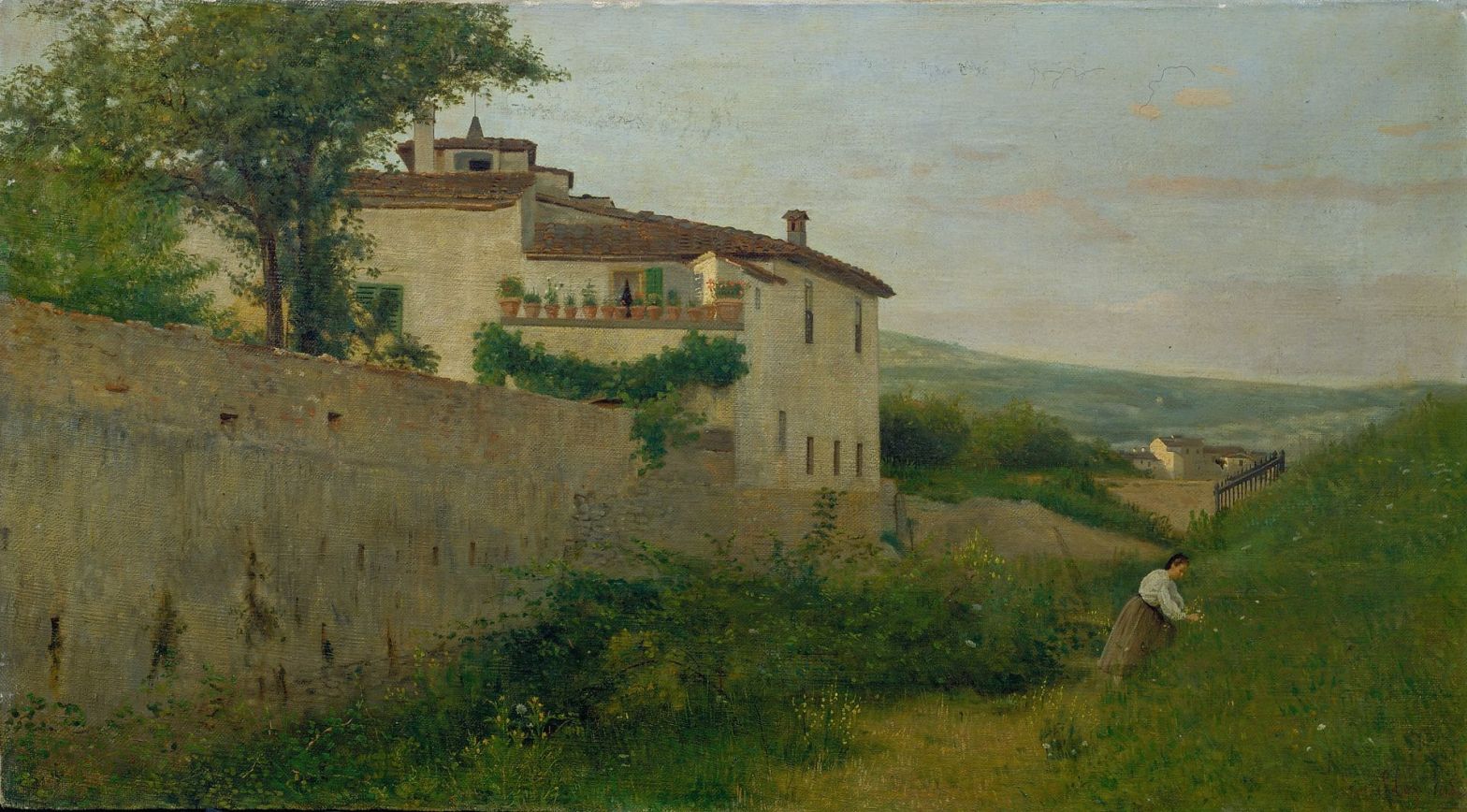
Florence, the Macchiaioli and the problem of belonging Silvestro Lega belongs securely to the history of the Macchiaioli, but not quite comfortably to any shorthand definition of them. That is partly because the Macchiaioli themselves were never a school in the strict sense. They were a loose and sometimes fractious constellation of painters, critics andContinue reading “Silvestro Lega: Places, People and Ways of Painting”

