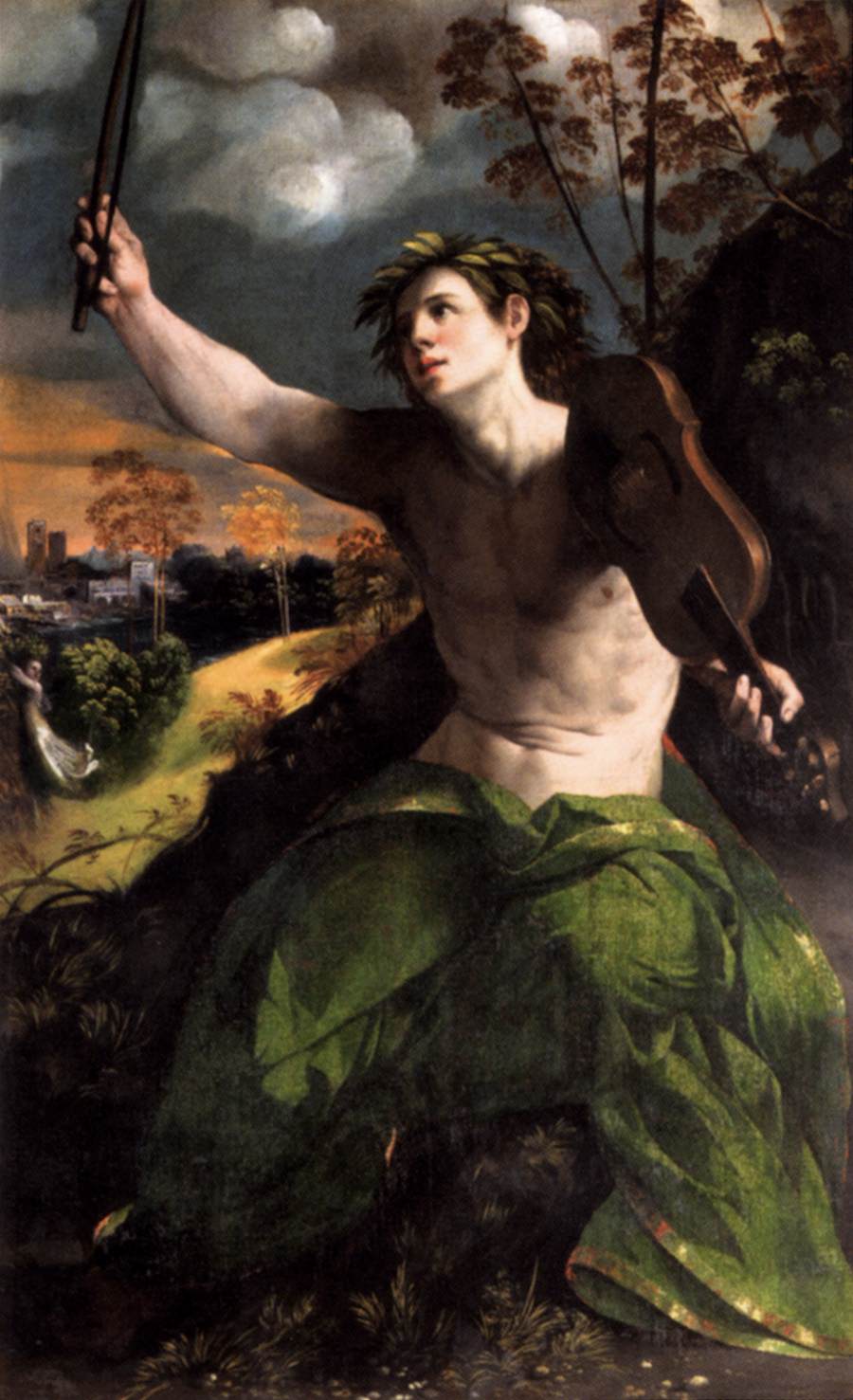
Dosso Dossi, Apollo (c. 1524–1525), oil on canvas, 191 × 116 cm, Galleria Borghese, Rome. “Dosso also knew how to add to his interpretations a certain wit, a sense of contrast, a boldness, that has led him to be associated with Ariosto and the Orlando Furioso. But his visions—enchanted and mysterious, dense with necromantic smoke—’are less aContinue reading “Dosso Dossi (1486?-1542): Apollo, Fantasia and Form.”
Tag Archives: art
Giacinto Gigante (1806 to 1876): landscape regenerated from within.
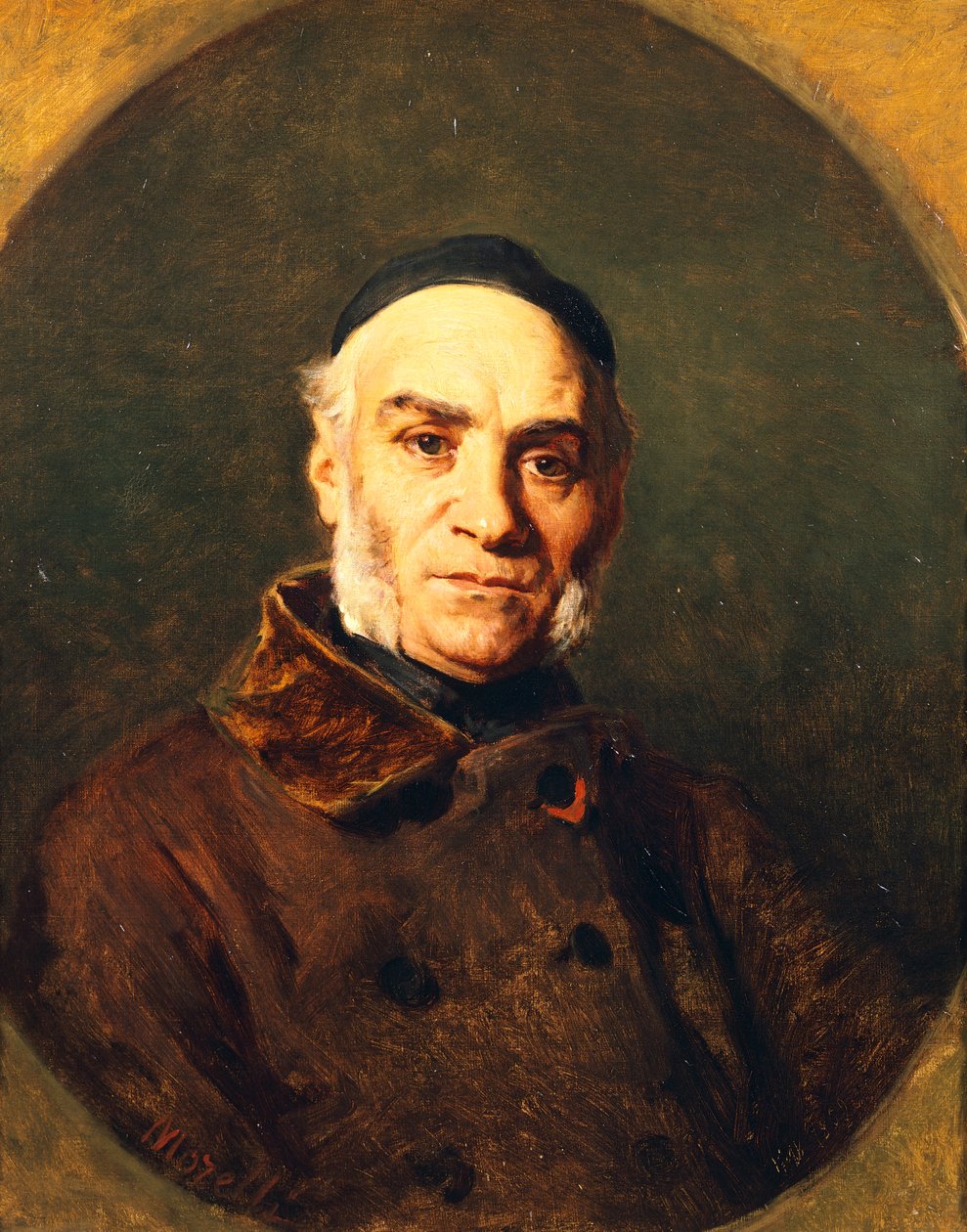
Portrait of Giacinto Gigante, Domenico Morelli (1826–1901), oil on canvas, Museo Nazionale di San Martino, Naples. Born in Naples in July 1806 to Gaetano Gigante and Anna Maria Fatati, Giacinto Gigante grew up in an artistic household. Around 1801, his parents had married and had eight children, four of whom died young. The surviving childrenContinue reading “Giacinto Gigante (1806 to 1876): landscape regenerated from within.”
Anton Sminck Van Pitloo (1790–1837): Between Rome, Naples, and Northern Europe.
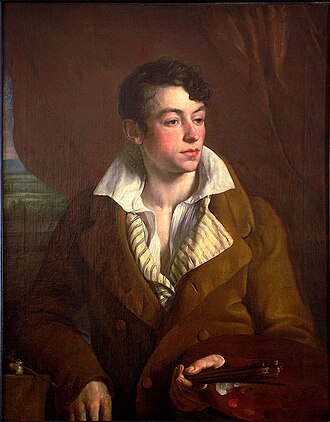
Pitloo, portrait by Pieter van Hanselaere (c. 1814). Source: Wikipedia. Even if one were to grant Pitloo only what is evident in his redemption of landscape from the servitude of mannerism and convention, the arts, newly guided toward a beauty drawn from the true, would owe him immense gratitude. But there is more. Pitloo tookContinue reading “Anton Sminck Van Pitloo (1790–1837): Between Rome, Naples, and Northern Europe.”
Giuseppe De Nittis: Light, Air and Modern Life.
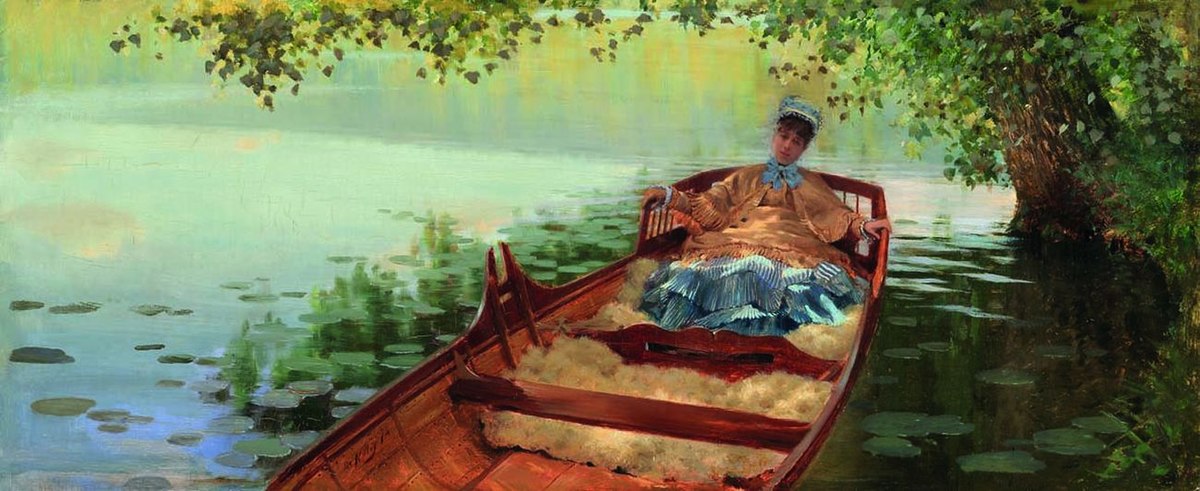
Léontine in canotto/ Léontine in a rowing boat (1874), oil on panel, 24×54 cm, Private collection. Self-Portrait (ca.1883) Pastel on canvas, 114×88 cm, Palazzo della Marra, Barletta. (Credit: Wikimedia Commons). Giuseppe De Nittis: “A happy man who would have wished everyone around him to be equally happy.” Jeanne Mairet, Souvenirs, 1907. De Nittis was aContinue reading “Giuseppe De Nittis: Light, Air and Modern Life.”
Light, colour and the vitality of motion: Introducing the world of Francesco Paolo Michetti (1851-1929).
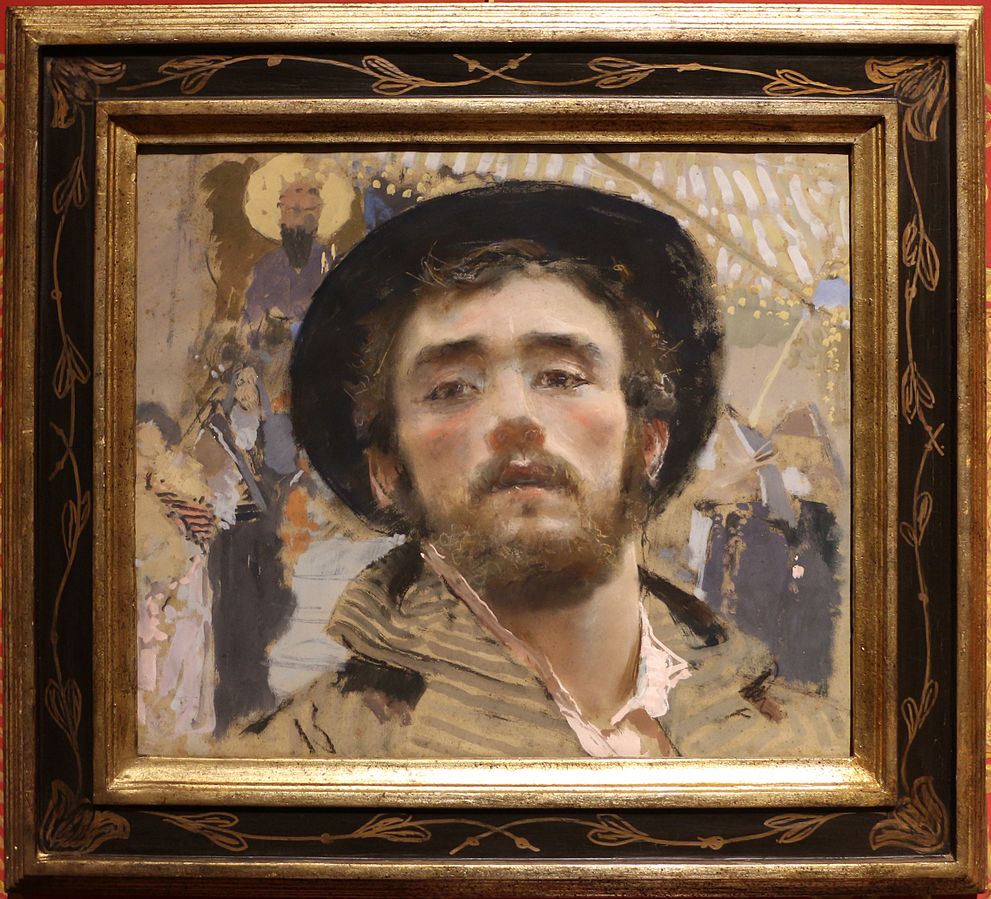
The featured image of this article, Francesco Paolo Michetti’s 1877 self-portrait, (Palazzo Zevallos Stigliano, Naples) offers an introduction to the artist while also immediately conveying the light and colour characteristic of his work. In the words of Marina Miraglia: The half-open mouth and the intense, passionate gaze express that healthy fullness of life and thatContinue reading “Light, colour and the vitality of motion: Introducing the world of Francesco Paolo Michetti (1851-1929).”
Gemito and Mathilde Duffaud – ‘Not Made for Financial Gain.’
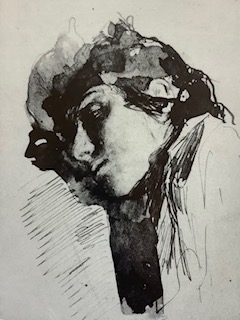
Introduction – Vincenzo Gemito and Mathilde Duffaud Mathilde Duffaud, la parigina, was Gemito’s first love—the first profound adult attachment of a foundling child. He met her in 1873 while living with his adoptive parents in the Palazzo del Mojariello in Capodimonte. Mathilde lived on the floor above with the French antiquarian Duhamel. Already known asContinue reading “Gemito and Mathilde Duffaud – ‘Not Made for Financial Gain.’”
Antonio Mancini – Hunger and Fame (la fame e la fama).
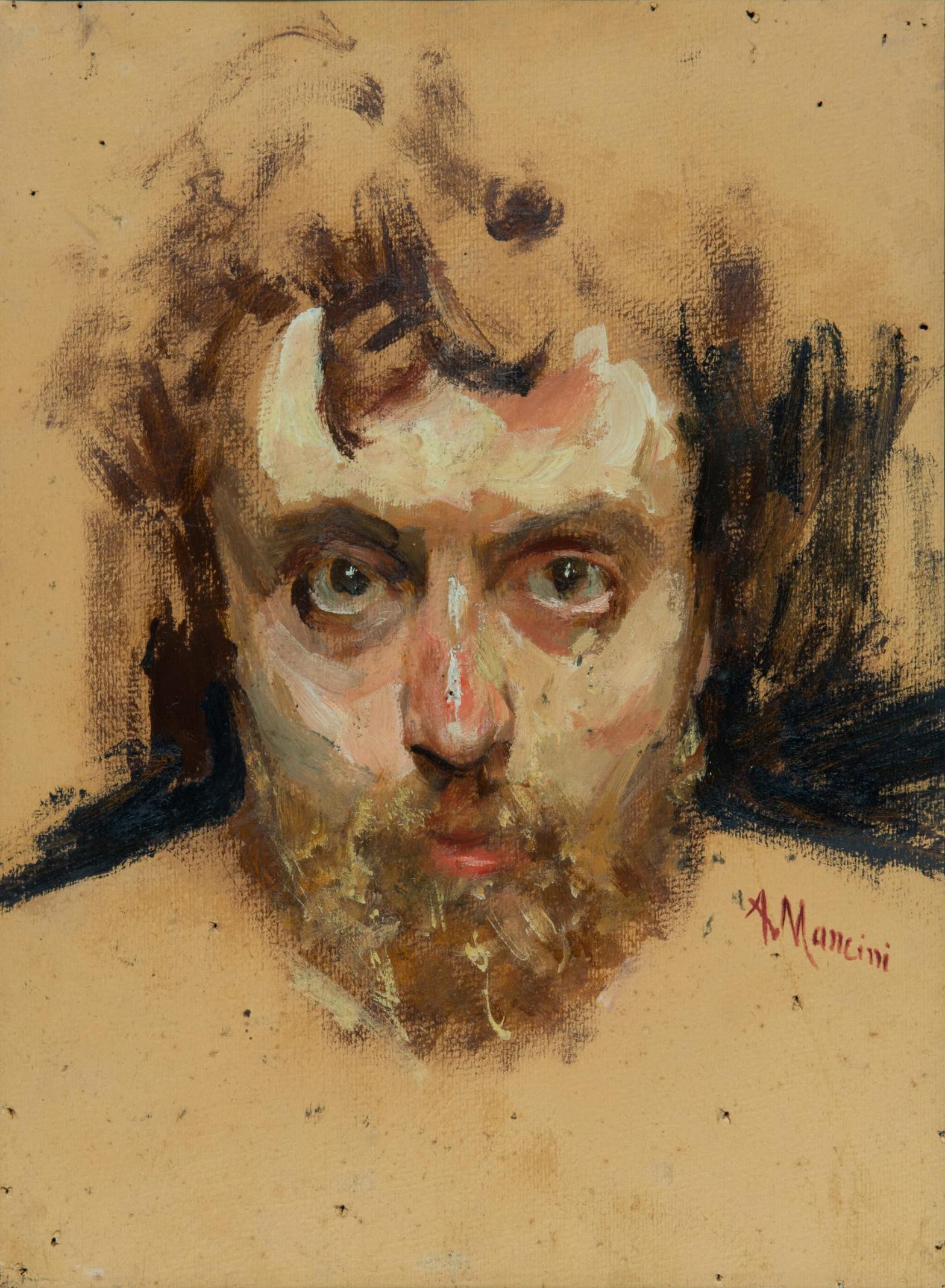
‘…a dodici anni mi recai a Napoli, dove rimasi fino ad adulto. Io giunsi a Napoli in pessimo arnese. La fame era allora molta, ma scarsa la fama…’ ‘…at twelve years old, I went to Naples, where I stayed until adulthood. I arrived in Naples in terrible shape. At the time, there was a lotContinue reading “Antonio Mancini – Hunger and Fame (la fame e la fama).”
Giuseppe Casciaro (1861-1941) –an introduction with context.
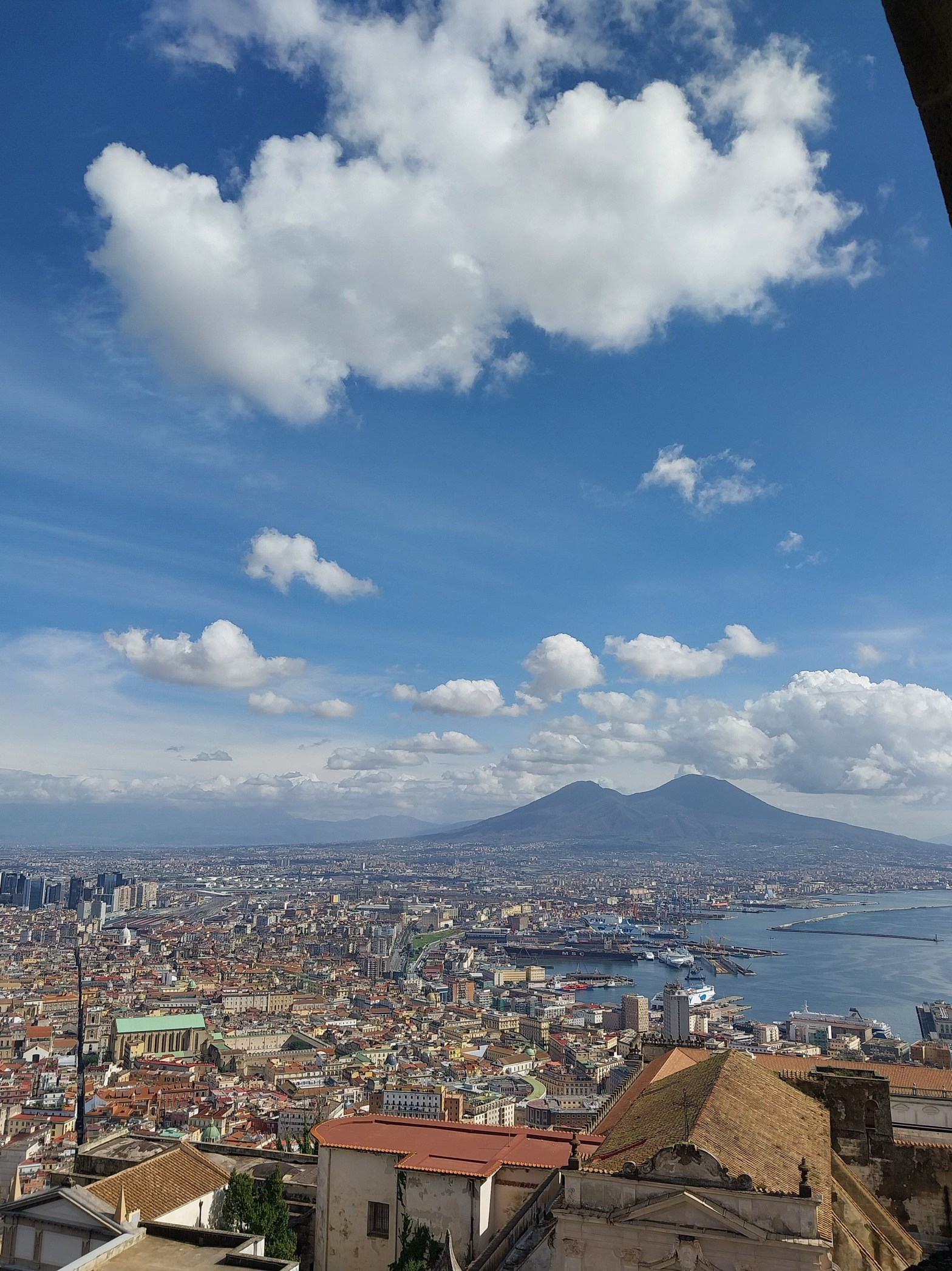
Giuseppe Casciaro’s first lessons were with Paolo Emilio Stasi from Spongano in Puglia. As Stasi’s artistic importance, and hence his influence on Casciaro, seems a little understated in the literature, it is worth emphasising that he was a versatile painter who captured various aspects of the people and landscapes of Salento. Vito Carbonara justly refersContinue reading “Giuseppe Casciaro (1861-1941) –an introduction with context.”
 Inner Surfaces